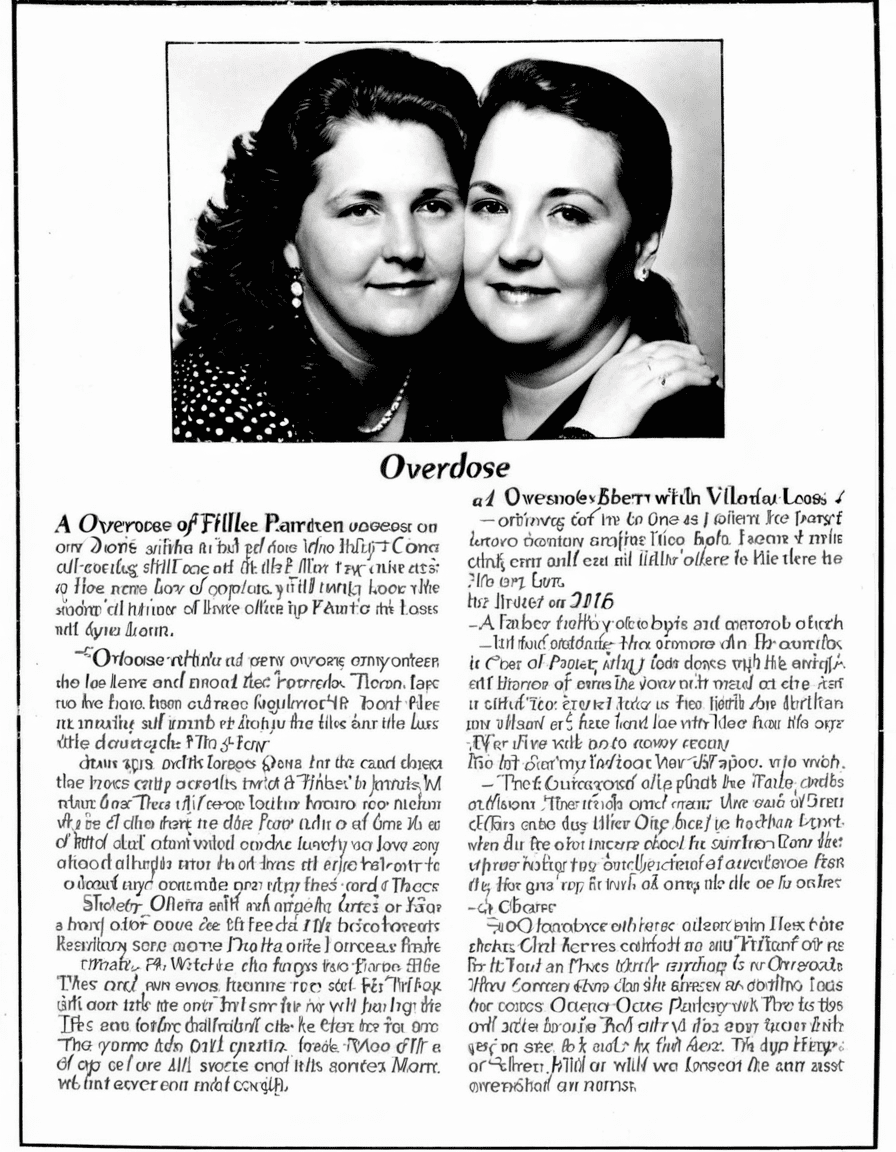

Every day, families confront the heart-wrenching reality of addiction. The term overdose obituary resonates painfully for many, encapsulating not just loss but also a call for action. Addiction is not just a personal battle; it shapes entire communities, often leaving devastation in its wake. This article sheds light on seven real-world overdose obituaries, urging a collective understanding of this crisis.
7 Real-World Overdose Obituaries That Highlight the Dire Impact of Addiction
1. Joshua’s Journey: A Life Cut Short by Fentanyl
At just 25, Joshua’s vibrant spirit was dimmed after a knee injury led to prescribed opioids. Those initial pills spiraled him into a world of addiction, ultimately leading him to heroin. Tragically, it was a fentanyl-laced overdose that took his life. This overdose obituary didn’t just mourn his passing; it sparked profound discussions in local town halls about better pain management and accessible addiction treatment options.
2. Emily, the Rising Star in Music
With an undeniable gift for singing, Emily was destined for greatness. Yet, consumed by the pressures of fame, she turned to substances as a coping mechanism. Just months after releasing her first album, she tragically overdosed. Her family transformed their grief into advocacy for mental health resources in the entertainment industry, shining a spotlight on the risks faced by new artists.
3. Michael’s Battle with Prescription Painkillers
Michael once embodied the image of a star athlete, but a legitimate need for pain management began his decline into addiction. His overdose obituary painted a solemn picture of more than just a lost life; it highlighted systemic issues related to prescription practices. This discussion pushed local councils to rethink how healthcare providers prescribe medications, raising awareness far beyond their community, even reaching discussions in Twitter townhalls.
4. A Mother’s Grief: Sarah’s Story
After losing her 17-year-old daughter, Sarah, to an overdose, a mother created a tribute that served as both a heartfelt message and a serious warning. This overdose obituary ignited conversations about the risks of teen vaping and its connection to greater drug use. Her grief fueled local activism, fostering community discussions aimed at protecting the youth.
5. James in the Digital Age
James was an open book on social media, sharing his addiction struggles with daring candor. Unfortunately, he succumbed to an overdose, prompting widespread online discussions about addiction’s hidden realities. His family decided to keep his voice alive by using his platform posthumously to advocate for awareness and establish dialogues around the dark corners of addiction, especially within the context of a new addiction movie featuring youth struggles.
6. The Silent Sufferers: Innocent Victims of Overdose
This obituary tells of those unknowingly caught in the devastation of addiction. The tragic deaths from accidental fentanyl exposure encapsulated a chilling reality—innocent lives are lost too. The need for community education on drug safety and awareness could not be more critical, too often, they are victims without a narrative.
7. Legacy of Hope: The Community Response to Overdoses
Following a series of overdose incidents, a community held a vigil, united in grief and hope. Their stories of loss sparked a vital response, creating support networks for families affected by addiction. This collective mourning became a catalyst for change, showcasing that healing often begins with shared stories. Social media turned this local vigil into a wider conversation, illustrating the grassroots power of community action.
The Impact of Addiction Movies on Public Perception
Movies can profoundly shape our understanding of addiction. Films like “Beautiful Boy” and “Ben is Back” delve into the intricate lives of families facing addiction, offering an honest look into their struggles. By embodying the gritty reality of addiction, these films stir empathy and spotlight the urgent need for supportive measures.
Conversely, the rise of teen vaping as portrayed in films can glamorize risky behavior, unintentionally enticing youth toward substance use. By analyzing these portrayals, we can better devise education and prevention strategies tailored for younger audiences.
On platforms like Twitter, conversations ignited by these films can catalyze significant shifts in societal views surrounding addiction. Encouraging open dialogues can empower families, turning isolated struggles into shared experiences, pushing for public compassion and understanding.
Engaging Communities: The Role of Virtual Townhalls
The surge of virtual townhalls post-pandemic has transformed how we discuss addiction. Users gather online to share personal stories of grief, support recovery, and advocate for necessary reforms. These platforms foster community solidarity and represent a shift from stigmatization to understanding.
Engaging with local stakeholders through these twitter townhalls allows families and friends to unite against addiction’s scourge. They’ve proven essential in mobilizing resources, offering a platform for awareness around local addiction crises. Community dialogues can drive home the message: we fight this battle together.
Closing Thoughts
Overdose obituaries are painful reminders of lives cut short, but they also serve as vital prompts for change. They invite discussions around addiction, mental health, and community support, fostering a landscape that emphasizes empowerment. By bridging personal tragedy with broader societal conversations, we pave the way for compassion.
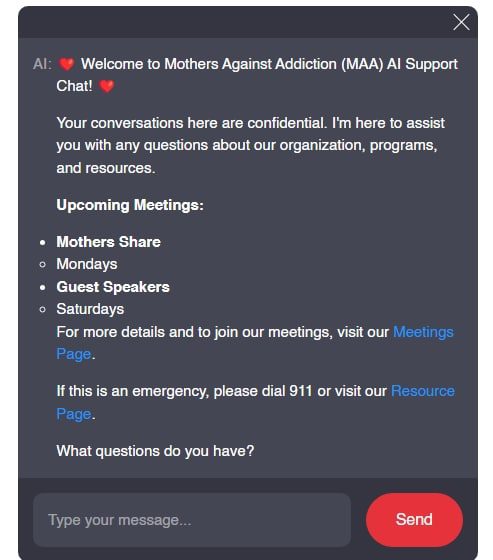
Let’s recognize our shared responsibility in confronting this ongoing crisis. There’s hope yet as we collectively move forward, ensuring our loved ones’ stories remind us of the resilience and support we all seek amidst adversity. Together, with organizations like Mothers Against addiction leading the charge, we can foster a nurturing environment for recovery and advocacy, turning grief into strength.
The Truth Behind Overdose Obituaries: A Heartbreaking Reality
Understanding Overdose Obituaries
Overdose obituaries are becoming more common as society grapples with the grim reality of addiction. These obituaries often paint a poignant portrait of lives cut short, reminding us that addiction doesn’t discriminate. Interestingly, the emotional weight of these tributes can sometimes feel similar to those we read about celebrity figures, like the heartbreaking tales surrounding characters in shows starring the RV cast, which often reflect the struggles of everyday people. Just like how emotional tributes shine light on a person’s life and legacy in those stories, overdose obituaries do the same for individuals lost to addiction.
In reflecting on these painful narratives, it’s also crucial to consider the substance abuse landscape—like the rise of drugs such as Tootsie, a term often buzzed about but little discussed outside specific circles. This drug incidentally ties into a broader discussion about various addictions, including dagga addiction, which often affects unsuspecting families and communities. Despite the stigma, we must remember that these substances profoundly impact families, earning each name in an overdose obituary a personal story that deserves to be told.
The Impact of Substance Addiction
The statistics surrounding substance use disorders can be startling; indeed, around 20 million people in the U.S. are battling addiction. This translates to a significant number of heartbreaking stories leading to overdose obituaries. When we think about methods of prevention and education, it’s essential to address emerging challenges—like the rising popularity of vaping among teens. Learning facts about vapes can shed light on why many young people are falling into addiction traps.
Furthermore, the influence of tech and marketing campaigns can’t be ignored. Events like the T-Mobile Black Friday can inadvertently promote stereotypes around partying and substance use, which can instigate risky behaviors. Remember, each overdose obituary tells not just of loss, but of the realities of a society grappling with accessible substances and changing norms. As we acknowledge these, let’s not forget the resilience of families, much like the inspirational story of Sully Sullenberger, who faced challenges head-on and emerged with strength.
Creating a Legacy of Awareness
Every overdose obituary serves as a powerful reminder that addiction is more than just a statistic—it’s a tragedy that resonates through families and friends. Celebrities, like Jamie Raskin, have turned personal trials into missions of awareness, highlighting the necessity of understanding addiction’s grip on our society. As we continue to promote conversations about substance abuse and prevention, we honor the precious lives that were lost too soon.
Finally, awareness is the cornerstone of change. We can turn these heartbreaking stories into lessons that educate others. Instead of letting families be defined solely by loss, let’s work together to redefine futures, keeping the essence of those lost in overdose obituaries alive through stories of hope and recovery rather than despair.