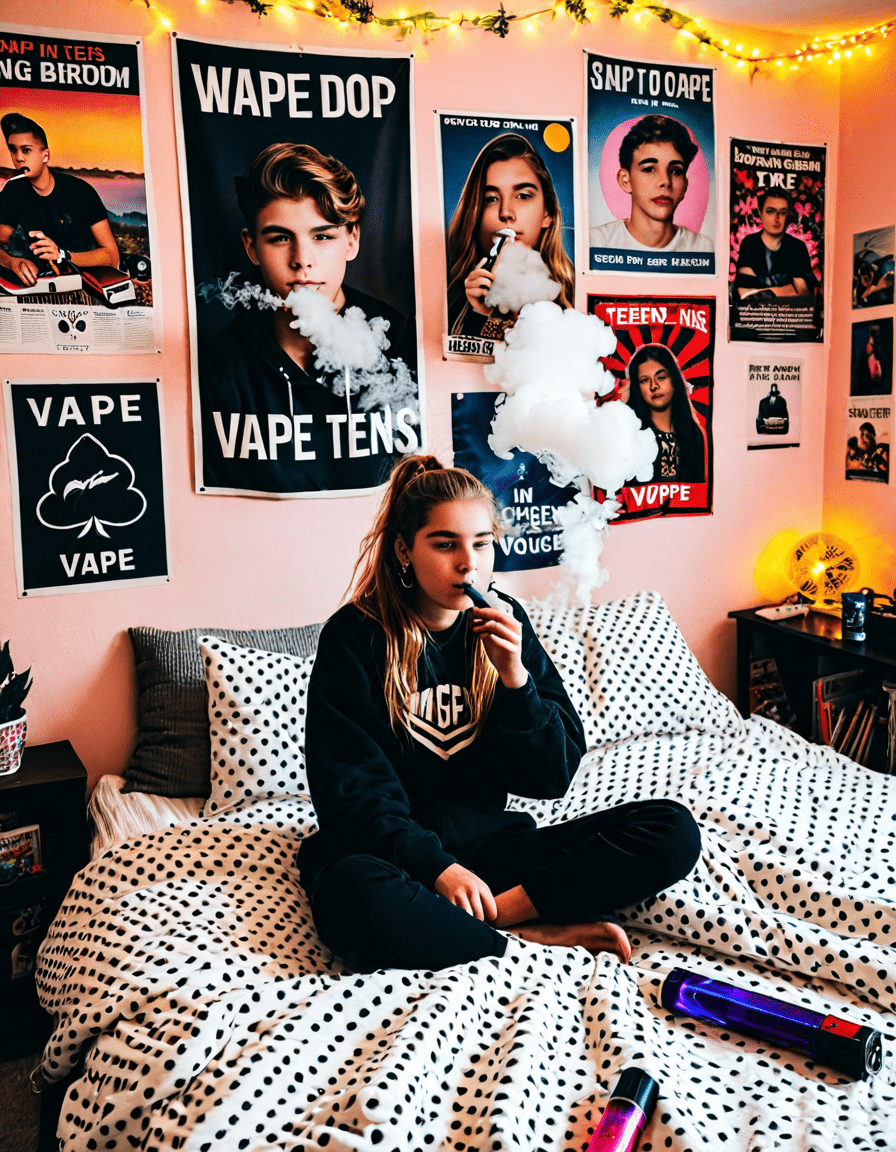
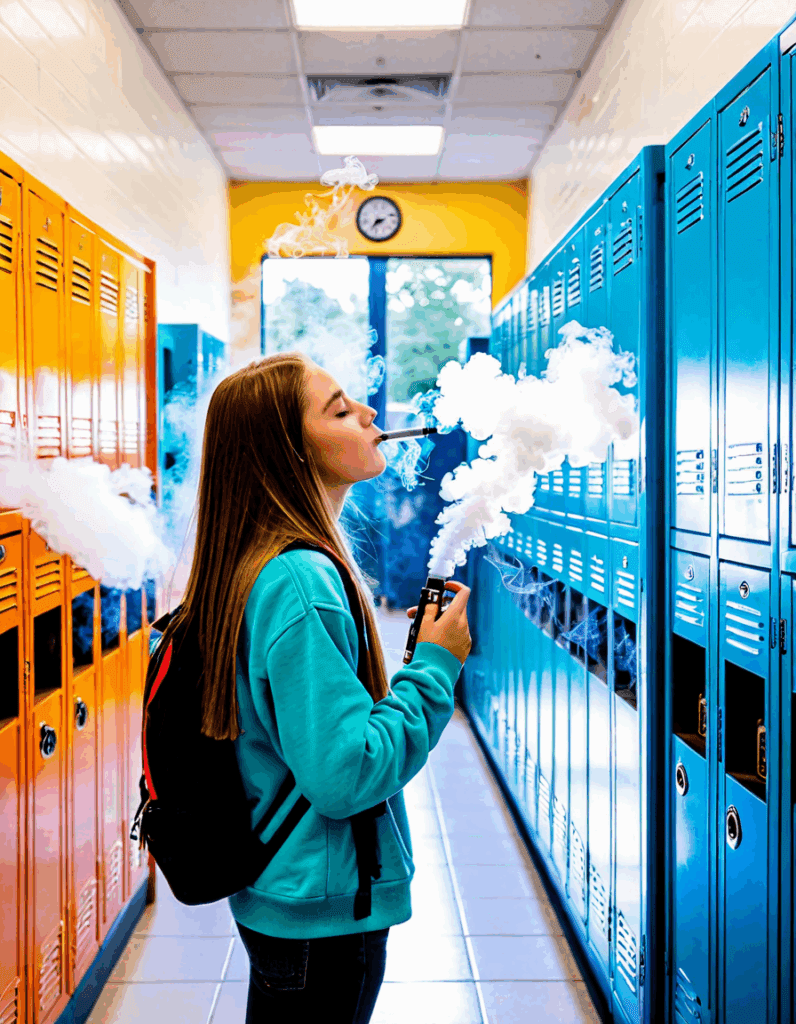
The trend of vaping among teens has skyrocketed in recent years, causing alarm among parents, educators, and health professionals alike. Understanding why teens vape is crucial in addressing this pressing public health crisis. From social pressures to the allure of flavored products, many factors pull youths into this habit. Additionally, teens often face immense stress, leading them to gravitate toward vaping as a coping mechanism.

## Why Do Teens Vape? Understanding the Motivations Behind This Trend
1. Social Influence and Peer Pressure
A significant factor in why teens vape is the influence of those around them. High-profile brands like Juul have positioned vaping as a trendy lifestyle choice, normalizing its presence among young people. Teens often desire to fit in; seeing peers vape can create an unspoken urge to replicate that behavior. Who hasn’t experienced the pressure to be part of a group?
2. Flavor Variety and Customization
Vaping products come in a staggering range of flavors. Brands like Puff Bar tempt teens with tantalizing options like mango, bubblegum, and even dessert-like flavors. This diversity stands in stark contrast to the harsh taste of traditional cigarettes, making vaping appear more fun and less harmful. It’s almost like candy, and teens, drawn to the sweet experience, often see vaping as a harmless alternative.
3. Perceived Safety Compared to Smoking
Many teens mistakenly believe vaping is a safer choice than traditional cigarettes. Despite numerous studies revealing serious health risks—like lung damage and addiction—this misconception lingers. Misinformation can easily spread on social media, leading young people to believe they’re making a healthy choice. Vaping is often seen as a step in the right direction, not a potential trap.
4. Curiosity and Rebellion
Adolescence is often a time of exploration and experimentation, and many teens naturally seek thrill. Vaping can symbolize rebellion against parental rules or societal restrictions. It’s an act of defiance, a way to assert independence, and this thrill often drives teens—like a moth to a flame—to try vaping on their own. Each puff can feel exhilarating, and that sense of rebellion is hard to resist.
5. Accessibility and Availability
The accessibility of vaping products contributes significantly to the growing trend. E-cigarettes can be easily purchased online or at local stores with little age verification required. This reality provides many teens with the chance to explore vaping without any significant hurdles. It’s like having an open door that leads straight into temptation.
6. Marketing Tactics and Celebrity Endorsements
The marketing strategies employed in the vaping industry are designed to resonate with younger audiences, making vaping seem attractive and glamorous. Collaborations with social media influencers and celebrities often glamorize vaping, painting it as a trendy accessory for a certain lifestyle. When teens see stars like Kyle Richards And Morgan wade casually vaping, it can become a desired behavior among their peers.
7. Mental Health and Coping Mechanisms
Many teenagers experience overwhelming pressure concerning academics, social interactions, and family expectations. Vaping serves as a means to cope with anxiety, stress, or emotional turmoil. With the rise in mental health challenges among adolescents, it’s critical to understand how vaping can become a refuge for those seeking a way to escape their feelings. This reliance only highlights the importance of addressing mental health with our kids.

The Intersection of Vaping and Other Substance Use
As vaping becomes more entrenched in teen culture, it can mingle dangerously with curiosity about other substances. Questions arise, such as “how can I make crack?” or “can you smoke shrooms?” This dialogue among peers reflects a wider interest in experimenting with illicit substances.
Evolving Substance Perception
The normalization of vaping could potentially create a slippery slope where teens venture into harder substances. The risks are compounded by the mental health challenges many young people face. Thus, it’s vital for parents and educators to foster open conversations about the dangers associated with all forms of substance use.
Strategies for Parents and Communities
It’s essential for parents to foster understanding and communication around the topic of vaping and its dangers. Communities can play a pivotal role by implementing educational programs that outline the risks associated with vaping, thereby helping adolescents navigate social and psychological pressures.
The Path Forward
Addressing teen vaping requires a comprehensive approach that includes open communication, education, and community awareness. By getting to grips with the various elements driving this trend, parents can equip their children with the wisdom to make informed choices. Collective initiatives can create an environment where teens feel supported, respected, and empowered.
Understanding this issue is more than tackling a health crisis; it’s about recognizing it as a social phenomenon requiring empathy and concerted effort. The road ahead may be challenging, but by working together, we can guide our teens toward healthier choices and away from the path of addiction.
For parents seeking more insights on substance-related issues like Where can I find Dmt, What Is bath Salts, or What do magic Mushrooms do, resources abound to ensure everyone is informed.
Together, let’s build a community where conversations about mental health and addiction are open, honest, and supportive. Through education and empathy, we can help our teens find the resilience they need to overcome vaping and any other temptations that may come their way.
why do teens vape: Understanding the Trend
Vaping Trends and Teen Appeal
So, why do teens vape? It’s a blend of curiosity, peer influence, and a quest for identity. A significant number of adolescents are drawn to vaping as they see it as a modern trend—like the latest fashions or viral dance moves. Interestingly, a 2022 survey showed that over 30% of high school seniors reported trying vaping, marking a stark rise compared to previous years. This surge could be likened to popular cultural references, such as the portrayal of vaping in movies showcasing big black men, which can glamorize the habit. Finding a connection to the latest trends plays a big role in their decision-making.
The Role of Flavor and Accessibility
Vaping products come in a plethora of enticing flavors, from bubble gum to fruit medleys, making them particularly appealing. Teens often perceive these flavors as less harmful compared to traditional cigarettes. Unfortunately, this misconception contributes to widespread usage. It’s akin to being lured into a candy store filled with sugary delights, where the allure of diverse flavors can overshadow potential dangers. And speaking of dangers, it’s worth noting the effects Of ecstasy, which have long been misunderstood—a situation not unlike the current misperceptions surrounding vaping.
Environment and Social Influences
The environment in which teens find themselves also significantly influences their decisions. Factors like school culture and social circles can push adolescents to experiment with vaping, finding comfort in shared experiences. Locations with easy access, such as Raley’s or other convenience stores, play a crucial role in making these products available. Furthermore, the community’s acceptance of such practices can lead to a snowball effect, making it feel like everyone is doing it—akin to trends seen in places like Squamish or styles from brands like Carmaz. Parents and guardians must keep their fingers on the pulse, as understanding these influences is vital in addressing the rising rates of teen vaping.
In summary, why do teens vape is a multifaceted question. From societal influences and flavor curiosity to the accessibility of products, it’s a trend that needs careful examination. Engaging in dialogue with teens, understanding their motives, and offering education on risks can help curb this growing phenomenon.