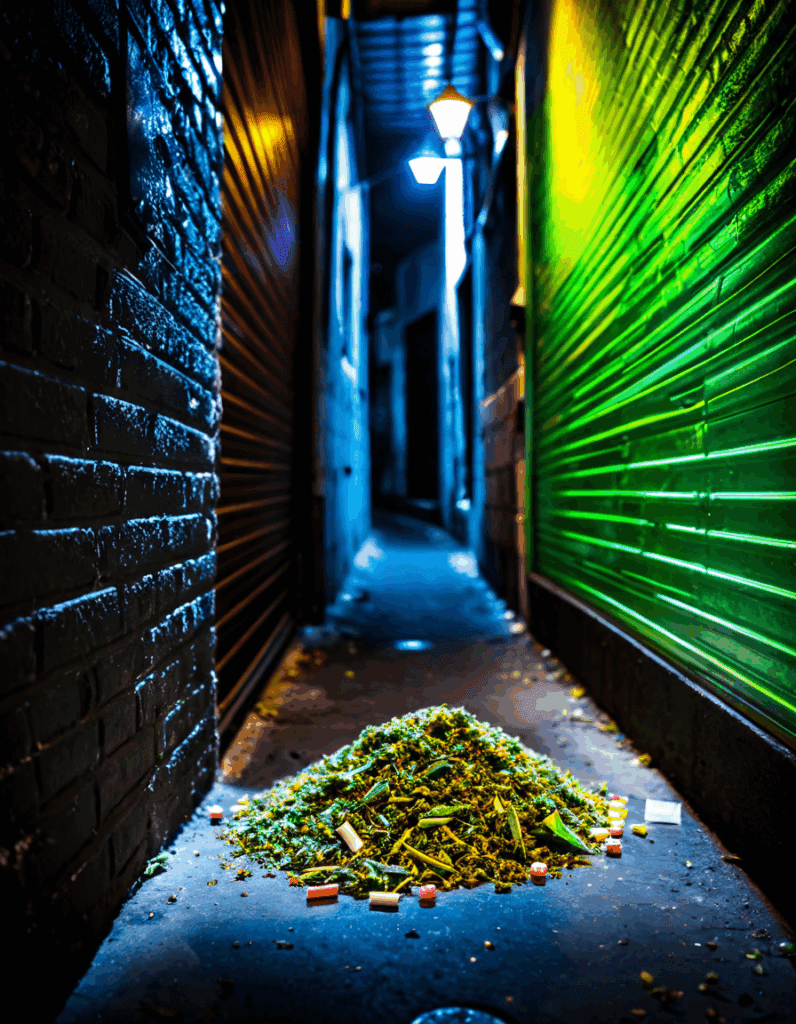
Synthetic cannabinoids, often dubbed “K2,” “Spice,” or “herbal incense,” are man-made chemicals meant to imitate THC, the ingredient in marijuana responsible for its psychoactive effects. These compounds are concocted in labs, marketed as safe alternatives to cannabis, but can actually be far more potent and unpredictable. Sprayed onto plant materials for smoking or vaporizing, these substances vastly differ from natural cannabis, often leading to alarming health issues. Users can suffer from intense agitation, overwhelming anxiety, hallucinations, or even life-threatening symptoms like seizures and heart problems.

Understanding Synthetic Cannabinoids: What Is Synthetic Cannabinoids?
So, what is synthetic cannabinoids? They’re chemicals made to mimic the effects of THC, but the reality is often much more troubling. Users seeking an “affordable high” might turn to synthetic options thinking they’re legal and harmless. However, the truth lurks beneath the surface, as synthetic compounds can induce severe reactions that can lead to tragic consequences. These substances aren’t regulated like traditional marijuana, and as such, the risks are not just heightened; they’re potentially fatal.
It’s also worth noting that these substances are frequently found in products labeled as “herbal incense,” which further misleads users. For example, a brand could contain potent synthetic ingredients like JWH-018 or UR-144 masquerading as a harmless substance, directly connecting to harmful health complications.
The Dangers of Synthetic Cannabinoids
What Is Sobriety but for Drugs?
Sobriety, particularly concerning substances like synthetic cannabinoids, means living without relying on psychoactive drugs. It’s not an easy journey; getting there often entails recognizing patterns of substance use, determining triggers for cravings, and reaching out for support. Support groups like Narcotics Anonymous render immense assistance, fostering community and connection for individuals striving to reach a drug-free existence.
Sobriety often comes with a sense of resilience, allowing individuals to confront the emotional storms that come with drug addiction. Families can build strength through knowledge and support, navigating the challenges of recovery together.
Recognizing Substance Abuse: What Is a Druggie?
So, what is a druggie? Typically, this term paints a picture of individuals whose lives revolve around substances, often prioritizing drug-seeking behavior over other life commitments. However, it’s crucial to view addiction through a lens of compassion. Identifying someone as a “druggie” strips away the complexities of their struggle. Understanding addiction involves recognizing it as a chronic condition shaped by various factors including genetics, mental health, and environmental influences.
Instead of judgement, let’s foster a dialogue that encourages understanding and support for those grappling with substance abuse. Families can offer guidance and a safety net while educating themselves on the nuances of addiction.
Analyzing Current Trends in Drug Use: What Drug Is Molly and What Is in an Ecstasy Pill?
In contemporary discussions about drugs, what drug is Molly? Many people mistake Molly for a pure form of MDMA, but the reality often reveals a myriad of impurities. Ecstasy pills can contain synthetic cannabinoids along with other substances, heightening the risks involved. Users often feel at ease, not knowing that they’re potentially harming themselves by using what they believe to be safe substances.
This confusion underscores the pressing need for comprehensive education on drug usage—particularly relevant when discussing those who mislabel substances like Molly.
Understanding Sedatives: What Is a Sedative?
When we discuss what is a sedative, we’re looking at substances that calm the central nervous system. While some sedatives like benzodiazepines are appropriately prescribed for anxiety, misuse can lead to severe repercussions.
Education about sedatives is crucial for those navigating the thin line between legitimate use and addiction. As awareness grows around what constitutes a sedative, so too should our understanding of how sedatives might interact with substances like synthetic cannabinoids.
The Cost of Addiction: How Much Is Adderall?
Adderall, widely known for treating ADHD, can also become a source of abuse. The average monthly cost ranges from $100 to $300, and while it’s easy to overlook the financial burden, we can’t forget the potential health implications tied to dependency and withdrawal. The reality of addiction extends beyond monetary costs; it often spirals into emotional strains that affect loved ones deeply.
Innovative Wrap-Up: A Call for Greater Awareness and Action
The dangers of synthetic cannabinoids are real, pressing, and demand our immediate attention. Investing in education, opening dialogues about substance use, and employing harm reduction tactics can protect our children—the future of our communities. The awareness we build today transforms into prevention strategies for tomorrow.
Families grappling with addiction can find support and guidance from organizations like Mothers Against. Through our collective efforts, we can foster safer environments for generations navigating these treacherous waters. Let’s work together to create a hopeful, healthier future for all.
What Is Synthetic Cannabinoids?
Synthetic cannabinoids, commonly known as “spice” or “K2,” are man-made chemicals designed to mimic the effects of THC, the active component in marijuana. Unlike traditional cannabis, synthetic cannabinoids are often sprayed onto dried, shredded plant material that can be smoked or vaporized. The misuse of these substances is especially concerning due to their unpredictable potency and the severe side effects they can produce, which can lead to addiction. In a world where we’re always looking for quick fixes, it’s essential to educate ourselves on what is synthetic cannabinoids and their potential risks, especially when alternatives like Kratom or ketamine seem alluring yet carry their own shares of danger.
The Risks Involved
One startling fact about synthetic cannabinoids is that they’re sometimes marketed as legal alternatives to marijuana, which can make them more appealing to users. This false sense of security can lead people into trouble. For instance, just because something is labeled legal doesn’t mean it’s safe. Many users have reported severe reactions, including hallucinations and even anxiety attacks. It’s crucial to recognize the difference—while some might see synthetic cannabinoids as just another recreational substance, they pack a punch that can steer individuals toward rehab, especially after episodes of addiction unravel lives. If you’re curious about what effective rehab looks like, What ‘s Rehab may be a good place to start.
Unexpected Connections and Trivia
Also fascinating is the idea that synthetic cannabinoids are continuously evolving; chemists tweak their formulas so quickly that they often outrun legal measures intended to ban them. It’s a cat-and-mouse game that keeps people on edge. Interestingly, discussions about synthetic cannabinoids sometimes lead to other intriguing subjects, like the uses of substances such as DMT. If you’re wondering What ’ s Dmt, you’ll discover it’s another substance that affects the mind but in vastly different ways. On the pop culture side of things, just like the excitement surrounding the cast Of Bullet train film, the conversation around synthetic drugs can set the stage for important discussions about addiction and recovery, making it relevant for anyone wrestling with its impact on friendships and families.
In sum, understanding what is synthetic cannabinoids opens doors to vital conversations on addiction. From the warning signs of misuse to seeking help through rehab programs, it’s crucial to stay well-informed about these substances. So whether you’re curious about the latest in chemical developments or looking for stories like that of Paul Ben victors roles that impact reality in film and society, remember that knowledge is power in the fight against addiction.