
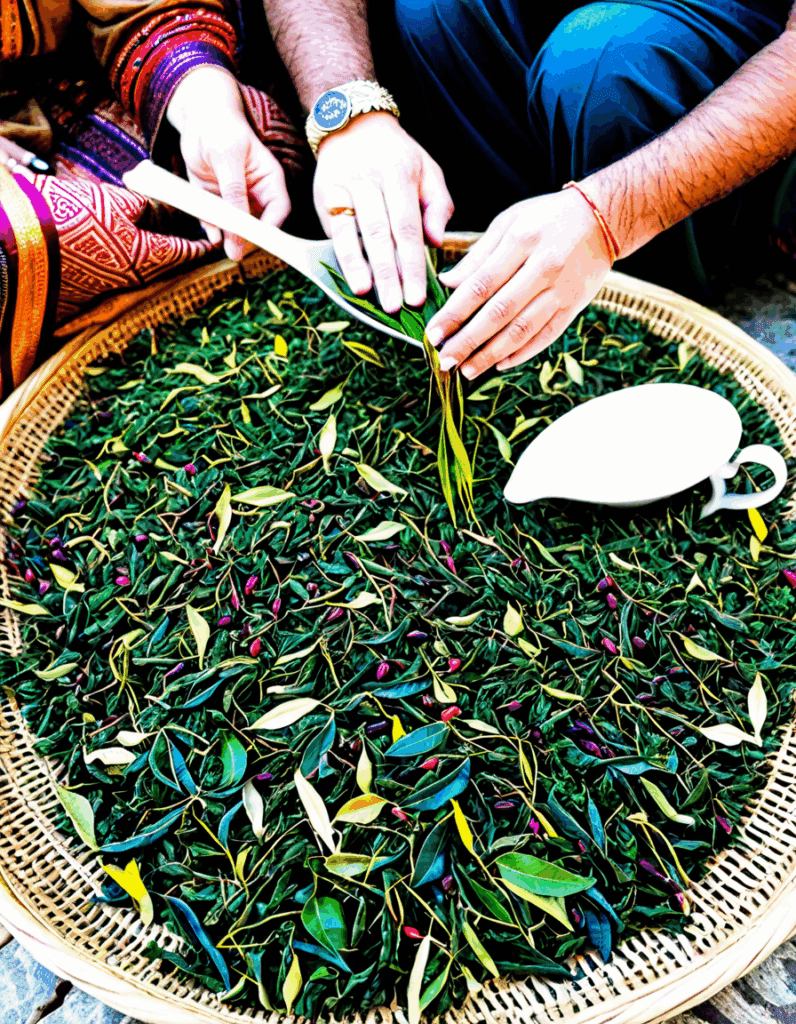
Qat, also known as khat or kat, is astonishing in its grounding effect on individuals and communities. This flowering plant, indigenous to the Horn of Africa and the Arabian Peninsula, boasts psychoactive compounds, particularly cathinone and cathine. Chewing qat’s leaves cultivates feelings of euphoria, alertness, and an uplifted mood. These effects are sought out in social realms, providing cheer and community bonding. But what is qat really, and why has it gained such monumental significance over the years? Let’s dive into the cultural impact of qat, what it reveals about our relationship with substances, and what it means for families grappling with addiction.
What Is Qat and Its Cultural Significance?
Qat has been chewed for centuries among various cultural groups like Somalis, Yemenis, and Ethiopians. Historically, the leaf played a pivotal role in tribal life and was utilized by travelers and laborers to help them endure hardships and long journeys. During social events, qat chewing fosters an atmosphere of openness, allowing conversations to flow freely and relationships to deepen.
As communities welcome qat into their daily lives, the plant has become more than just a stimulant; it’s a cultural staple. Families gather with friends over qat, sharing stories, laughter, and overall fellowship. This social acceptance can be likened to our cherished traditions of sharing cookies while watching The Princess diaries—the sense of belonging that permeates these moments is powerful. Still, as with any substance, the fine line between sociable use and dependency becomes increasingly blurred.
As this leaf captivates various strata of society, it also raises questions about health, legality, and the impact on family dynamics. If you’re a parent with a child seeking solace or stimulation from drugs, you may feel an echo of empathy when thinking about the roots of this plant. This compassion can extend into broader conversations about the struggles your family faces. With knowledge comes power, and understanding what is qat may just be the first step in addressing your child’s challenges.

Top 7 Interesting Facts About Qat That May Surprise You
Qat’s usage spans over a millennium. Traditionally, it served as a stimulant among tribesmen, helping them withstand the rigors of their environment.
While qat enjoys legal status in many countries and is culturally accepted, it is classified as a controlled substance in nations like the United States and several European countries. This creates a complex landscape for those familiar with its effects.
Chewing qat can come with its share of health challenges. Users may face dental issues and psychological ramifications. Research indicates heavy users sometimes experience anxiety or insomnia, underscoring the dual nature of this leaf.
In Yemen, qat farming significantly bolsters the economy. Globally, qat trade has surged to millions of dollars annually, illustrating its economic importance and highlighting societal perceptions around drugs and substance use.
Though qat offers stimulating effects, it presents a stark contrast to the dangers surrounding electronic vaping and its associated health risks, such as EVALI (E-cigarette or Vaping Product Use-Associated Lung Injury). Understanding these differences allows families to make informed decisions regarding what is qat versus what is found in vape products.
Immigrant populations in countries like the USA and UK have brought qat traditions with them. Discussions focus on its cultural acceptance, law enforcement, and how these norms integrate into drug use dialogues within communities.
Emerging substances like katamine, a synthetic cousin of qat, have gained traction due to their psychoactive properties. With safety concerns looming, the attraction of younger demographics to this “cleaner” high evokes further conversations about dependency and adaptability in the modern world.
Understanding Related Substances: What Is Tussi, Yage, and E-vali?
When considering addiction and substance use, it’s essential to understand the related substances you might encounter. If your child is drawn towards substances, knowing about these alternatives can aid in fostering important discussions.
Tussi combines hydrocodone and promethazine for recreational use, typically offering euphoric and sedative effects. The appealing buzz can compete with qat’s social acceptance and begs the question: why do some gravitate toward stronger substances?
Also known as ayahuasca, yage is an Amazonian brew famed for its spiritual and healing effects. Its growing following among Westerners creates intriguing parallels with qat’s community use, as both serve as pathways to transcendental experiences, emphasizing shared human experiences and desire for connection.
Vaping has reshaped how substances are consumed. Contrasting qat with synthetic vape products uncovers a notable shift in societal perceptions. Both influence consciousness, but the implications of vaping further complicate the landscape of addiction.
Understanding what is qat leads us to explore a broader narrative surrounding addiction, dependency, and the role of communal bonding in substance use.

Psychological and Health Implications: The Dual Nature of Addiction and Dependency
The juxtaposition of qat and other substances reveals deep complexities around dependency. While qat garners a perception of benignity within specific communities, addictions can manifest unexpectedly. Research suggests habitual qat users may resort to more potent substances, like the tusi drug, when their familiar comfort is unavailable.
Furthermore, drug dynamics shift continuously—that’s the reality of our modern age. Families dealing with child addiction find themselves in similar discussions surrounding these risks. Grasping these parallels is essential in addressing the challenges your loved ones may confront. Adapting our approaches also cultivates a more engaged and understanding environment for dialogue.
Innovative Wrap-up: A Leaf’s Journey Through Time and Culture
The story of qat transcends simple usage; it embodies human resilience and cultural richness. From its roots in royal courts to modern urban settings, its role as a social catalyst has blossomed. As societal perceptions morph, what lies ahead for qat and its counterparts sheds light on the ongoing dance between tradition and contemporary challenges.
Acknowledging what is qat and the multifaceted issues surrounding substance use is critical, especially for families affected by addiction. By fostering compassion, understanding, and awareness, we can take progressive steps towards a healthier, more enlightened dialogue about drugs. Let’s work collectively towards healing and resilience in the face of these extraordinary challenges. If you want to dive deeper into substance addiction, visit Mothers Against addiction and explore the resources available today.
What Is Qat? Discovering the Fascinating Leaf
Qat’s Roots and History
So, let’s dive into the green wonder known as qat! Traditionally hailed from East Africa and the Arabian Peninsula, it’s been chewed for centuries for its stimulating effects. Did you know that in some cultures, qat sessions can feel similar to social gatherings where people bond over conversation, laughter, and maybe even some Galletas? These delightful snacks often accompany the experience, keeping spirits up and energy flowing. While the leaf’s effects vary, its potential for addiction is certainly a talking point, akin to the challenges faced by those who are cocaine addicted. Just like navigating various substances, understanding what is qat opens up discussions about cultural practices tied to the leaf.
The Chemistry Behind Qat
Now, what exactly makes qat appealing? The key compound is cathinone, which gives users an energizing kick—some say it’s a bit like the buzz from coffee! Yet, like many stimulants, there can be downsides. After all, looking into What Is herbal can often lead you down paths of exploring both benefits and risks. For comparison, substances like spice have raised eyebrows for their unpredictable ingredients. When you consider this, it’s crucial for users to educate themselves on the implications of chewing qat regularly.
Connecting to Broader Trends
Interestingly, qat isn’t just a local phenomenon anymore. Its growth in popularity parallels trends seen in various regionally-influenced substances. This mirrors how people are keen to find out how to stream Super bowl 2024 from different parts of the globe, where everyone’s in on the action. The excitement around new cultures, whether it’s enjoying a local delicacy or participating in global traditions, keeps society lively and connected. Just like getting to know casein protein powder and its benefits, discovering what is qat can reveal much about individual choices and shifting perceptions.
So there you have it! Qat invites a fascinating mix of tradition and modern curiosity. Now you know what is qat and the cultural fabric it’s woven into—one leaf at a time!