
The Rise of Prescription Pain Meds and Their Societal Impact
Prescription pain meds have become a significant part of modern medicine, especially in managing chronic pain. Unfortunately, alongside their increasing use has been a concerning rise in addiction rates. As we step into 2023, the startling statistic of 1.6 million Americans suffering from opioid use disorder linked to prescription pain medication reveals a crisis that can’t be ignored. Families are left picking up the pieces as loved ones struggle with dependency, emotional distress, and boundary-breaking behaviors.
The influence of these medications reaches far beyond the individual users; it drastically impacts relationships, finances, and even community dynamics. Parents often find themselves helpless, yearning for understanding as they watch their children fall deeper into a chokehold of addiction. Most importantly, this crisis doesn’t merely affect families torn apart by addiction; it affects entire communities. Everyone bears the burden, as fear and stigma surround discussing the realities of substance dependency.
With more people recognizing these troubling patterns, it’s become crucial to take a hard look at the impact of prescription pain medication on our society. The question is not just about the medications themselves but also about how we, as a community, support those undergoing the struggles of addiction. Organizations like Mothers Against Addiction aim to bridge that gap, providing resources and community support for families enduring these challenging times.

Top 7 Common Prescription Painkillers and Their Effects on Families
A critical piece of the puzzle lies in understanding the common prescription painkillers that often lead to dependency issues. Here’s a breakdown of seven key medications and their effects on families:
Widely advertised for its potent pain-relieving effects, oxycodone has become infamous for its high potential for dependency. Families witness feelings of helplessness as loved ones increasingly prioritize their next dose over relationships and responsibilities. Emotional turmoil intertwines with financial strain, leaving a wake of destruction in its path.
This popular pain medication successfully treats moderate to severe pain but comes with its own set of issues. Hydrocodone’s addictive qualities force many families into a corner, with parents worrying for their child’s mental health and the family’s cohesion. The fear of losing a loved one to addiction feels too real when the highs and lows become commonplace.
Although it’s often prescribed for milder pain, codeine can still lead users down a slippery slope of dependency. Families report experiencing mood swings and irritability in their loved ones, which complicates everyday life and draws lines around the family environment. Such changes can create an air of tension that’s hard to escape.
As one of the oldest opioids used for pain management, morphine might be effective but also incredibly dangerous. Families struggling with morphine addiction often find themselves grappling with watching someone they love deteriorate, both physically and emotionally. The stakes go beyond pain management; it’s often a life-and-death situation.
With its potent strength, fentanyl has contributed to rising addiction and overdose deaths. Families realize the impact of this synthetic opioid all too well, with the illicit manufacturing often being linked to community crises. Grief, loss, and desperation ripple through families as they deal with the fallout of a community that’s been fundamentally altered.
Often touted as a “safer” pain medication, tramadol still carries risks of dependency. Families note shifts in energy levels and mood, leaving loved ones feeling trapped under addiction’s weight. Struggling relatives can negatively affect the family’s dynamics, forcing everyone to adapt to an increasingly challenging environment.
While this non-opioid prescription pain medication sidesteps some addiction issues, side effects can still create hurdles for families. When managing arthritis or other inflammatory conditions, the pressure to maintain quality of life becomes paramount. Families often grapple with figuring out whether the benefits outweigh the downsides, leading to stress and anxiety.
The Shift Towards New Non-Opioid Pain Medications: FDA Approvals and Innovations
In response to the opioid crisis, a significant shift is occurring towards developing new non-opioid pain medications. As we look forward to innovative solutions, the FDA’s approval of non-opioid pain medications introduces some much-needed hope.
One promising development is Cadian, a medication that utilizes encapsulated morphine for pain management while minimizing euphoric effects. Families affected by addiction have found this shift leaves room for healing rather than turmoil, allowing them to focus on caring for their loved ones instead of fighting crises every day.
Another exciting FDA-approved option is Qutenza, a topical patch derived from capsaicin, which helps manage nerve pain without systemic risk. Families have reported noticeable improvements, allowing for targeted relief. Such innovations pave the way for a brighter future, offering solutions that enhance healthcare without dragging families back into cycles of dependency.

Supporting Families Affected by Addiction: Resources and Strategies
As awareness grows around the impact of prescription pain meds, families must seize the opportunity to utilize resources available to them. Education remains a cornerstone; knowing the warning signs of addiction allows families to take proactive measures before their loved ones slip into deeper struggles.
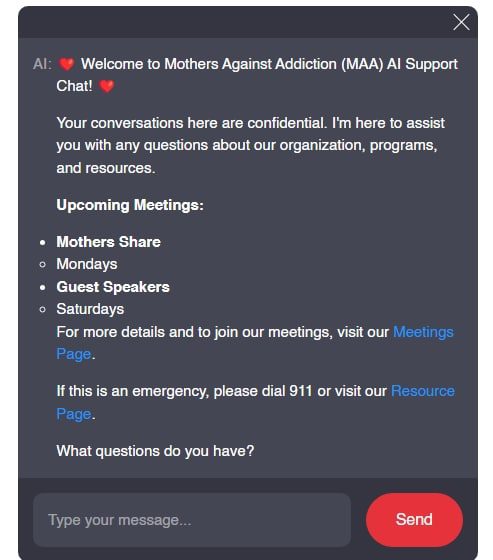
Support groups, like those offered by Mothers Against Addiction, create a safe space to share experiences and gain invaluable strategies. Sharing with others who understand the pain of living with addiction can provide comfort and insight often hard to find elsewhere.
It’s essential to incorporate healthcare professionals specializing in addiction into the recovery process. Comprehensive care plans that blend traditional pain management with psychological support can empower families and foster healthier outcomes. Remember, you’re not alone in this battle; there’s help out there for every family affected.
Navigating the Future of Pain Management: A Collective Responsibility
The landscape of pain management evolves as we reckon with the chaos wrought by prescription pain meds. Parents and loved ones are awakening to the responsibilities that go hand in hand with advocating for better practices and policy changes around prescribing these medications.
Establishing stringent guidelines and promoting new non-opioid alternatives will be the keys to moving forward. Communities must come together, advocating for expanded networks of support that embrace families affected by addiction.
By committing to this collective responsibility, we can rewrite the narrative of addiction while celebrating the potential for healing. No family should feel isolated in this journey. Together, we can foster a safer, more compassionate future for those facing the dual struggle of pain management and the lurking shadow of addiction. Remember, support is just a click away; connect with Mothers Against Addiction today.
Understanding the Impact of Prescription Pain Meds
When folks think about prescription pain meds, many might picture a simple solution to pain relief. However, these medications can create a ripple effect, impacting not just the user but their entire family. For instance, studies show that nearly 50% of people prescribed opioids may struggle with dependence at some point. That’s a staggering number and highlights just how important it is to consider the full picture. In fact, the rise of synthetic drugs like LSD Drugs is a concerning trend, as some individuals turn towards these alternatives when prescription pain meds aren’t enough to dull their discomfort.
Hard Truths about Dependency
Here’s another eye-opener: each year, more than 60% of people with opioid prescriptions go on to misuse them. This isn’t a small issue; as the numbers grow, so does the crisis’s impact on families. The story of Brittany Eady serves as a reminder of the harsh realities of addiction fueled by pain medication. She struggled to regain control, illuminating the harsh truth that dependency can be a powerful cycle. The bond between families often strains as loved ones fight their battles, and education becomes crucial here.
The Different Faces of Pain Relief
Moreover, you might be surprised to learn about alternatives like ketamine, which some are turning to for pain relief after exhausting traditional options. So How Does ketamine make You feel? It’s a far cry from typical pain meds, providing a unique experience that varies from person to person. Some even consider it a potential lifeline. But while people search for solutions, others fall prey to dangerous substances like crystal methamphetamine, seeking quick relief but facing devastating consequences instead.
In conclusion, as families navigate the waters of prescription pain meds and their consequences, awareness and education become their best allies. The journey may not be easy, but understanding the landscape—whether it’s the rise in misuse or the many alternatives—can empower families to handle the challenge ahead. For those interested, keeping up with the latest happenings can provide helpful insights; in fact, checking out movie times can be a great way to unwind as you process all of this!