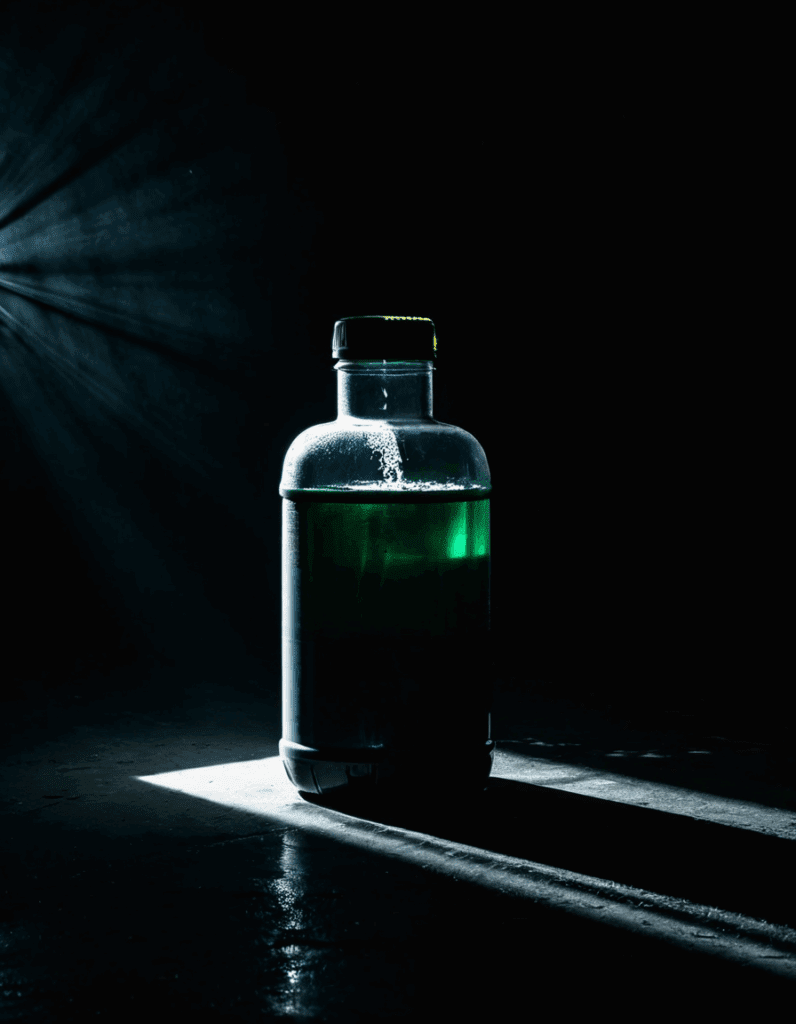
The term “hydro drug” refers to certain substances that have emerged in recent years, particularly delta-8 THC and various nicotine products. These substances have become popular among young adults and teens, often under the guise of being safer alternatives to traditional drugs. It’s crucial for parents to be aware of these substances and their dangers since they can have a lasting impact on lives. Families facing addiction need ongoing support, compassion, and vital information on how to navigate the murky waters of addiction and recovery.

The Rise of Hydro Drugs: A Comprehensive Overview
Hydro drugs have entered the conversation about addiction, often leaving families bewildered. Many parents wouldn’t even recognize delta-8 THC, associated with the cannabis world, as a substance posing dangers. These drugs can fool users into believing they’re harmless options when, in reality, they carry significant risks. The increasing availability of these products, coupled with a lack of clear regulation, creates a perfect storm for misuse and dangerous consequences.
Parents must understand that the marketing of these substances is often misleading. High-profile brands appeal to youth culture, making it seem like using them is part of a trendy lifestyle. These marketing tactics enable substance misuse to spiral out of control before families even realize the extent of the issue at hand. Awareness of hydro drugs like delta-8 THC and nicotine products is essential for parents to engage effectively with their children and foster open, honest conversations about addiction and its impact.

Top 7 Hydro Drugs and Their Consequences
Delta-8 THC is often marketed as a more manageable form of cannabis. However, users frequently misjudge its effects and potency. This hydro drug can lead to escalating anxiety and, in some cases, hallucinations. Reports of unsafe production methods only amplify these risks.
These nicotine-infused products, particularly in the form of vapes, are widely popular among young teens. The flavored options and sleek designs make them attractive, but the consequences are severe. The rising addiction rates resulting from these hydro-related products put adolescents at risk not just for immediate health issues but also for long-term mental health challenges.
These products lure consumers with appealing branding that downplays their extreme potency. Once users experience the high, they often underestimate the subsequent risks, which can lead to significant mental health issues. The sense of euphoria can quickly turn into dependence, catching many off guard.
Like Galaxy Gas, these alternatives prey on the misconception that they are safer options. Despite their enticing labeling, these hydro drugs are chemically unregulated. The health implications can be dire, with some users suffering adverse reactions after use.
Hydroponic drugs aim for high efficacy but often come at a cost. Due to their potency, users risk overdose, and some have reported adverse reactions requiring hospitalization. It’s a high-risk game that places users in perilous circumstances.
This approach, which includes using naltrexone to diminish alcohol cravings, has worked for some individuals to regain control over their usage. However, those addicted to hydro drugs may find themselves swapping substances rather than truly overcoming their dependency.
The rise of hydro drugs can also be connected to the practices of Purdue Pharma. While often linked to opioid addiction, their influence seeped into the market for hydro drugs. Responsible marketing and prescription practices are crucial conversations for families to engage in, especially as the issue expands.
Using SUD Treatment for Hydro Drug Recovery
Substance Use Disorder (SUD) treatment programs are adapting to meet the challenges posed by hydro drugs. Innovative methods provide new avenues for people struggling with addiction. Cognitive Behavioral Therapy (CBT) and mindfulness practices are among techniques that target the psychological traits accompanying hydro drug addiction.
Family involvement is paramount in the recovery process. Encouragement and understanding from loved ones often make a world of difference. Support systems that include family members can pave a path toward healing, offering a robust environment for recovery.
As families grapple with the fallout of hydro drug use, comprehensive treatment options become vital. Understanding these newer substances and how they impact individual and communal health is crucial. Knowledge is a critical weapon in the battle against addiction.
Parent’s Guide: Recognizing the Signs and Supporting Recovery
As a parent, recognizing the early signs of hydro drug use in your children can make a world of difference. Key indicators often include:
Being proactive is not just helpful; it can be life-saving. Building a foundation of open communication is crucial for addressing these suspicions in a loving way. Rather than jumping to conclusions, approaching these conversations with empathy and understanding will set the stage for recovery.
The goal is to create a supportive environment that encourages your child to be open about their experiences. Use these conversations to educate them on hydro drugs and the dangers associated with them. Share information and insights, like those found on platforms such as Mothers Against addiction, where resources and discussions unfold daily.
Embracing Innovative Solutions for Recovery
The journey toward recovery involves embracing varied solutions tailored to support individuals grappling with hydro drug addiction. Community programs are surfacing as essential support systems for those in need. Peer support groups enable individuals to connect with each other, sharing their experiences and offering mutual accountability.
By combining traditional therapy methods with modern support systems, families can create a well-rounded recovery strategy. Developing an adaptable approach is integral to overcoming addiction’s grip. Community support, education, and understanding create a resilient foundation for those affected by hydro drugs and their devastating impact.
As hydro drug use continues to evolve, understanding the associated dangers and fostering open dialogues becomes imperative. By equipping ourselves with knowledge, resources, and support, we become empowered to build healthier, recovery-oriented communities. Through our shared efforts at Mothers Against addiction, we can foster hope and resilience in the fight against addiction, transforming lives one step at a time.
Hydro Drug: Fun Trivia and Interesting Facts
Unraveling Hydro Drug Trivia
Hydro drug, often abbreviated as H2O2 or hydrogen peroxide in certain contexts, can be misleading in its name. It’s crucial to distinguish how it differs from more notorious substances. Did you know that some debates around drugs like hydro often link to cultural references, such as characters from popular shows like Osmosis Jones? This cartoon movie cleverly illustrates the battle between good and bad play within our own bodies, reflecting the internal struggles people may face with addiction. Understanding these parallels helps shed light on the impact hydro drug has on individuals’ lives and health.
The Nutritional Angle
Let’s take a moment to explore how a hydro drug can trick the body just like some foods we think are harmless. For instance, sweet potatoes are packed with nutrients, boosting your immune system, yet they can be dangerous if consumed excessively in the wrong forms. Just like substances that trick users into thinking they’re safe, the hydro drug has a deceptive charm that can lead to addiction and serious health issues. By being aware of these subtleties, we can better protect ourselves and our loved ones from potential pitfalls.
Celebrity Connections and Misconceptions
Interestingly, even celebrities aren’t exempt from the consequences of addiction. Consider Charles Leclerc’s girlfriend, who’s recently opened up about the pressure and fame in her life, demonstrating how any background can lead to struggles with substances, including hydro drug. Addiction doesn’t discriminate and can ripple through families in unexpected ways, affecting parents and children alike. It’s crucial for families fighting these battles to understand that help exists, particularly from organizations that focus on educational outreach and support.
In an age where misinformation spreads like wildfire, distinguishing between drugs like hydro and other substances is vital. For example, while exploring definitions, the term acid drug often comes up, yet the ramifications of each substance can be vastly different. Knowing how to define ketamine and its effects allows for better conversations within families, especially for parents concerned about potential drug use among their kids.
By merging knowledge with engaging trivia, we can develop a clearer understanding of the implications of hydro drugs, inspiring better prevention strategies and support systems for those affected by addiction.