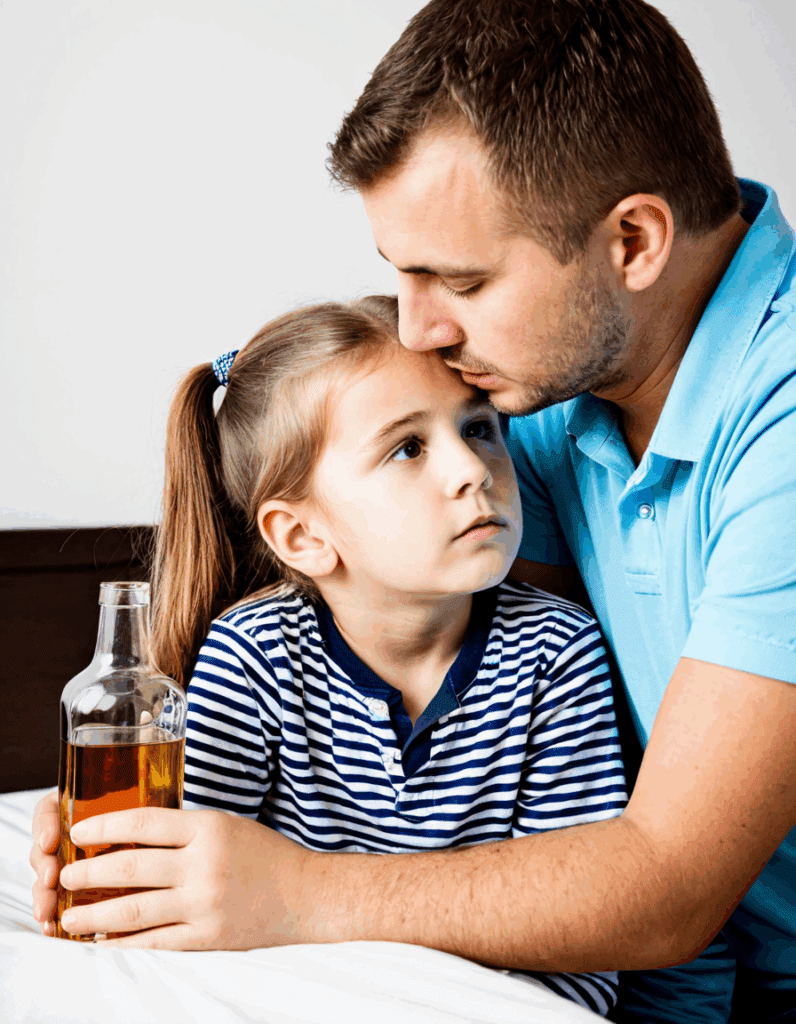
Understanding alcohol poisoning is something we all need to be aware of, especially in today’s world where binge drinking can happen anywhere—from parties to gatherings. Knowing how to know if you have alcohol poisoning can mean the difference between life and death. Alcohol poisoning is a serious condition that results from consuming a dangerous amount of alcohol in a short time. Unfortunately, this is an all-too-common situation for many families, and as a parent, it’s crucial to recognize the signs early on.
When someone suffers from alcohol poisoning, understanding the signs can empower you and potentially save a life. This article will provide you with vital information on how to recognize the symptoms, how to seek help, and how to support those who might be struggling with addiction. We at Mothers Against Addiction are here to address these hard issues with compassion and openness. You’re not alone—together, we can face these challenges and support each other.
7 Critical Signs of Alcohol Poisoning: How to Know If You Have Alcohol Poisoning
Alcohol poisoning doesn’t happen overnight; it’s a gradual buildup to a life-threatening condition. Here are seven critical signs of alcohol poisoning, which can indicate that someone needs urgent help:
You might notice a loved one acting disoriented, unable to grasp what’s going on around them, or even completely unresponsive. This state isn’t just concerning, it’s a medical emergency. The brain is significantly impaired, and waiting too long to act can have dire consequences.
If someone is vomiting repeatedly, especially alongside severe confusion, it’s critical to take it seriously. The body often reacts this way to eject what it perceives as poison. Be cautious—there’s a risk of choking, so if this happens, turn them on their side.
Witnessing convulsions can be alarming, and it’s a telltale sign that the alcohol intake has disrupted the brain’s normal functions. Seek immediate medical attention. Don’t wait until it’s too late; every second counts.
If you count fewer than eight breaths a minute or notice an irregular pattern, this is crucial. The brain’s function is being compromised by the depressive effects of alcohol. It can lead to fatal outcomes, making this a scenario where you should act quickly.
Alcohol can affect the body’s temperature regulation, leading to hypothermia. If a person feels cold to the touch, especially their skin, it’s a clear sign that something’s wrong. Shivering and pale skin indicate they need help ASAP.
If you see someone with a bluish tint around their lips or fingertips, it’s a strong indicator that they aren’t getting enough oxygen. This is critical! Immediate medical intervention is necessary if you spot these symptoms.
If someone can’t be woken up no matter what you try—shouting their name, shaking their shoulders, or even pinching their skin—it suggests serious impairment. This is your cue to call for help without delay.
Understanding Alcohol Poisoning: What Happens When You Drink Too Much
When someone drinks too much alcohol too quickly, their body can’t metabolize it fast enough, leading to alcohol poisoning. According to the Centers for Disease Control and Prevention, the statistic is staggering: around 2,200 deaths occur annually in the U.S. due to this condition. It’s a graphic reminder of the gravity of excessive drinking.
The effects of alcohol on the body can be devastating. Alcohol acts as a central nervous system depressant, meaning it slows down the brain and significantly affects bodily functions. Over time, this can lead to harmful consequences, including lung collapse, coma, or even death.
Understanding how to know if you have alcohol poisoning is essential for everyone, not just those in recovery. It equips families with the knowledge to spot these dangers early. This information doesn’t just serve as a warning; it embodies hope. With timely intervention, countless lives can be saved, and recovery can begin.
Associated Risks: When to Stop Smoking Weed While Pregnant
It might seem slightly off-topic, but understanding poly-drug use, particularly the combination of alcohol and marijuana, can significantly heighten risks. For pregnant women, especially, this is a critical area of concern. Combining alcohol with marijuana increases the likelihood of severe complications for both mother and child.
Pregnant individuals should be educated about the risks involved, knowing when to stop smoking weed while pregnant can be crucial for their well-being and that of their unborn child. Knowledge about how different substances interact can help in decision-making processes that protect health.
Historical Context: When Did Drinking and Driving Become Illegal?
A brief look back can illuminate just how far we’ve come in understanding the importance of responsible alcohol consumption. The prohibition against drinking and driving began in earnest with the Motor Vehicle Safety Responsibility Act in 1947.
As society recognized the dangers of impaired driving, laws toughened over time. The creation of the National Highway Traffic Safety Administration in 1970 marked a significant push for public safety. Now, drinking and driving is seen as a severe offense; history shows us how public awareness has shifted toward the potential consequences of alcohol misuse.
Navigating the Alcohol Poisoning Crisis
Being educated about the signs of alcohol poisoning is one of the best tools you can have. Recognizing these signs early can empower you to act promptly and potentially save a life. It’s not just knowledge—it’s a lifeline.
At Mothers Against Addiction, we stand with you through these turbulent waters. Our mission is to guide families in understanding addiction and recovery, reminding you that there’s always a way forward. With the right support, intervention, and knowledge, healing is within reach.
In conclusion, enjoying alcohol responsibly is part of many social norms. Yet, the awareness of alcohol poisoning signs equips us all to handle emergencies appropriately. So let’s work together to recognize the symptoms, understand their implications, and know when to seek help. This knowledge can be a game-changer—saving not just one life, but many, making our communities safer and healthier.
Together, we can confront the challenges of addiction and help our loved ones navigate their journeys.
How to Know If You Have Alcohol Poisoning: Signs to Watch For
Understanding Alcohol Poisoning
So, how to know if you have alcohol poisoning? First things first, it’s crucial to recognize the signs. Symptoms can include confusion, vomiting, slow or irregular breathing, and a low body temperature. Alcohol poisoning can creep up on anyone, especially during heavy drinking, reminding us that just because you can drink, doesn’t mean you should! What’s fascinating here is that alcohol affects everyone differently—some might get tipsy quickly while others can handle more. This very fact ties into the larger conversation about addiction and its effects, which is not something to take lightly, as noted on sites like addiction Is What.
An extra layer of caution is required if you’ve been mixing drinks. For those who might underestimate the impact of certain substances, knowing about drugs like GHB can be eye-opening—especially since they often combine with alcohol, increasing risk. GHB’s effects are quite potent and can lead to overdose, just like alcohol. Similarly, have you ever wondered about the mixing of illicit substances like PCP? Understanding the effects Of angel dust( can also be an asset in recognizing dangerous habits.
Signs You Shouldn’t Ignore
Feeling dizzy or experiencing lapses in memory might seem like a fun night out gone wrong, but they can signal something much graver. In fact, one alarming sign of alcohol poisoning is that a person may even lose consciousness. If you’re watching your friends struggle with coordination or acting bizarrely, don’t brush it off. Have a quick look at live feeds like the Siesta Key webcam to remind yourself of what a carefree day looks like, rather than getting too caught up in festivities that can spiral.
What should you do if you suspect someone is in danger? First, don’t hesitate to call for medical assistance if you’re unsure. When assessing someone’s condition, an easy way to remember it is by checking their breathing. If it’s slow or erratic, think of taking swift action! It’s also pretty interesting to note how substances like ketamine, often misunderstood, can play a part in such scenarios; learning about What ketamine Is might help guide better choices in the future.
In closing, knowing how to identify alcohol poisoning can indeed be lifesaving. Combining knowledge with good judgment is key, so don’t let a fun night out turn into a haunting memory. It’s never too much to stay informed, be cautious, and know your limits. And hey, maybe consider cozying up in Tasman Ugg Slippers after a good weekend instead!