
The ongoing shifts in federal marijuana laws across the United States are reshaping the fabric of family life. As legal landscapes evolve, families find themselves grappling with new realities, opportunities, and challenges. While the process is complex, the benefits generated by federal marijuana regulations can’t be overlooked. Analyzing what’s happening in states like Texas, Oklahoma, Colorado, Delaware, and Maine reveals a transformative impact on families navigating the trials of addiction and recovery.
The implications of federal marijuana legalization rippling through communities encompass health, economic growth, education, and family interactions. By exploring various state statutes and executive orders, we uncover a framework of support, healing, and resilience for families. Our organization, Mothers Against Addiction, remains steadfast in its mission to help parents with children grappling with addiction or those who’ve faced the heartache of loss, offering relevant resources during this time of change.

The Transformative Impact of Federal Marijuana Regulations
Understanding the implications of federal marijuana laws requires digging deep into how each state responds to these changes. In Texas, for instance, specific statutes have made strides in allowing access to medical marijuana, particularly when it comes to treating conditions like epilepsy. Simultaneously, Colorado’s Revised Statutes have set the stage for parents seeking better health options for their children. By witnessing these shifts, families are finding pathways that improve lives and mitigate the stress often associated with addiction issues.
Next, in Oklahoma, Governor’s executive orders embrace Diversity, Equity, and Inclusion (DEI), providing new economic possibilities. Here, families have greater financial stability as jobs related to the cannabis industry blossom. In contrast, Delaware engages schools in cannabis education, enabling younger generations to approach marijuana with informed perspectives, tackling stigmas head-on. Federal marijuana regulations not only impact access to medication but also enrich community and family discussions that promote understanding.
As we peer into Maine, we uncover how federal marijuana is interwoven with behavioral health treatments. Hospitals and clinics are evolving their therapeutic methods to incorporate cannabis as complementary treatment for conditions like PTSD and anxiety, offering families holistic options they hadn’t accessed before. These shifts bring hope, contributing toward resilience in family dynamics that often face pressure from addiction.
7 Ways Federal Marijuana Laws Are Reshaping Family Lives
1. Enhanced Access to Medical Marijuana
One of the standout changes brought by federal marijuana regulations is the increased availability of medical marijuana for families. In Colorado, specific laws support access, which has greatly helped children with chronic illnesses like epilepsy. Many families credit products from brands like Charlotte’s Web for significantly reducing their children’s seizures, sparking brighter and more fulfilling lives.
2. Economic Opportunities in Oklahoma and Texas
Oklahoma is experiencing a boom thanks to the legalization of cannabis, leading to fresh job prospects. The Oklahoma Governor’s executive orders under the DEI framework promote minority-owned businesses within the industry, inviting families to partake in this growing economy. Likewise, Texas has introduced new statutes aiding in the creation of opportunities for families, fostering financial independence.
3. Educational Initiatives and Awareness in Delaware
Delaware recognizes the importance of educating youth on cannabis use. With state-sponsored programs, families are learning about safe consumption and health benefits together. This approach cultivates an informed generation capable of engaging in open discussions about marijuana, fostering supportive environments at home.
4. Behavioral Health Treatment Opportunities in Maine
In Maine, the partnership between health clinics and state regulations has expanded behavioral health treatment options involving cannabis. Programs designed for therapeutic practices incorporate medical marijuana as part of their regimens, providing families with integrated care solutions. This results in more accessible support and services for those grappling with anxiety and PTSD.
5. Changes in Law Enforcement Practices
With the trend toward federal marijuana legalization, law enforcement practices have shifted significantly. Many states have seen a decline in marijuana-related arrests, which means families can sidestep the anguish of incarceration. Less interaction with the criminal justice system translates to healthier environments for kids, with stable homes that foster growth.
6. Shifts in Family Dynamics and Discussions
Attitudes toward marijuana are shifting, leading families to engage in more open conversations about drug use. In places like Colorado, parents are discussing responsible consumption with their teens and building trust. These dialogues create stronger bonds, paving the way for healthier familial relationships.
7. Support Networks and Resources for Families
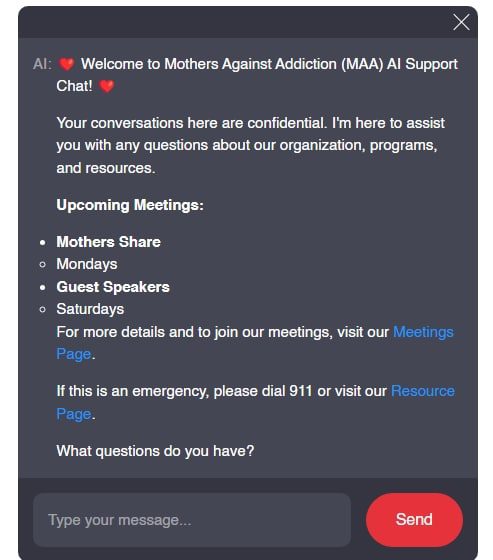
Organizations like Mothers Against Addiction provide crucial support networks where families can find help while navigating the challenges of addiction. These communities empower parents with resources about safe consumption and recovery strategies. With tailored support available, families benefit from shared experiences that guide them through difficult times, fostering resilience.
The Future of Federal Marijuana and Family Impact
Looking ahead, the continual evolution of federal marijuana regulations signifies a future filled with promise for families. As more states recognize the therapeutic potential of cannabis, communities can better prepare to embrace these advancements. The increased availability of support systems ensures that families have essential resources during their journeys toward healing and recovery.
Advocacy and community engagement remain vital as families seek access to education around responsible use and comprehensive mental health services. The changing landscape of federal marijuana legislation isn’t just about legal status; it signifies a shift in understanding and support that can redefine family dynamics for the better.
In a world slowly embracing these changes, families can anticipate stability, connection, and a new chapter filled with hope. As we advocate for those lost and those still battling addiction, it’s crucial to harness the power of these laws, pushing for progress and understanding in our communities. When we stand together, we can indeed shift the narrative around addiction, one family at a time.
Federal Marijuana: Changing Lives For Families
The Positive Ripple Effects of Federal Marijuana
While the discussion around federal marijuana can spark polarized opinions, it’s clear that this shift is creating real impacts for families. In many states, families are reporting a reduction in the stigma surrounding cannabis usage, especially for those dealing with chronic illnesses or mental health issues. With cannabis being considered as a therapeutic option, it’s like watching an epic showdown, similar to the iconic clash between Kong Vs Godzilla, where different perspectives battle it out. Families are finding a new sense of hope as they explore alternative treatments amid the struggles posed by addiction.
What’s particularly fascinating is the numbers! According to recent studies, states that have legalized marijuana are seeing significant decreases in opioid prescriptions. This surprising trend shows that people are turning to cannabis as a less harmful and potentially effective alternative. For families experiencing the loss of a child due to addiction, this alternative could provide a much-needed light during the dark times of bereavement. Just think: the effects of federal marijuana could provide one less worry for parents trying to help their kids steer clear from the dangers of addiction.
Federal Marijuana in Everyday Life
Moving deeper, let’s paint a picture of federal marijuana’s growing acceptance in pop culture. Shows and media highlight its use not just for party vibes, but for legitimate wellness. Just like Jojo Part 5 brings a fresh twist to storytelling, the narrative around marijuana is changing too, showing its potential benefits rather than just its negatives. Families are coming together to learn about all the ways federal marijuana can be incorporated into holistic living. It’s about finding balance, much like figuring out your favorite style, whether that’s dark brown hair With Highlights or a casual day out.
It’s also crucial to note the support systems that have formed around this issue. Programs like Southwest Key assist families in navigating challenges related to addiction, and with more open discussions about federal marijuana, these services can adapt to new realities. Additionally, companies like Ambetter Of Arkansas are stepping up to provide resources tailored for those who are seeking guidance on these evolving topics. All of these factors contribute to a community where families can thrive, and parents can breathe a little easier knowing that more options are available for their loved ones. Even places like Gaylord Maryland are becoming hubs for discussions on cannabis, proving it’s a nationwide conversation.
In summary, federal marijuana is not just about legality; it’s woven into the fabric of family life, providing avenues for healing, understanding, and adaptation. Whether sharing stories or finding resources, families are crafting their own narratives, much like the vibrant characters in Kandagawa Jet girls. It’s a journey worth exploring together, with many chapters still to be written.