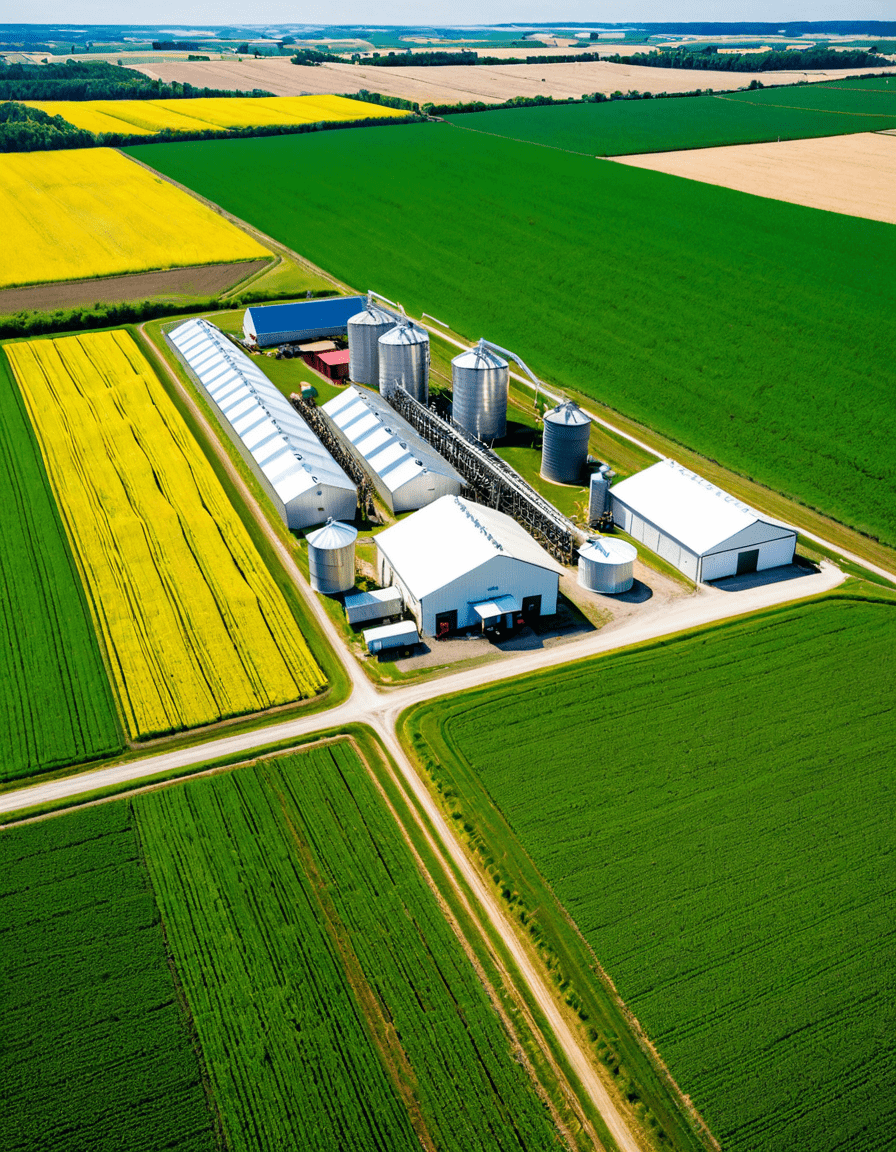

As conversations around clean energy heat up, bac ethanol emerges as a powerful contender. Derived from the fermentation of biomass, bac ethanol promises a way out of our fossil fuel dependence. With rising concerns over climate change, pollution, and energy security, this alternative begs exploration. But is bac ethanol truly the future? Let’s dive in.
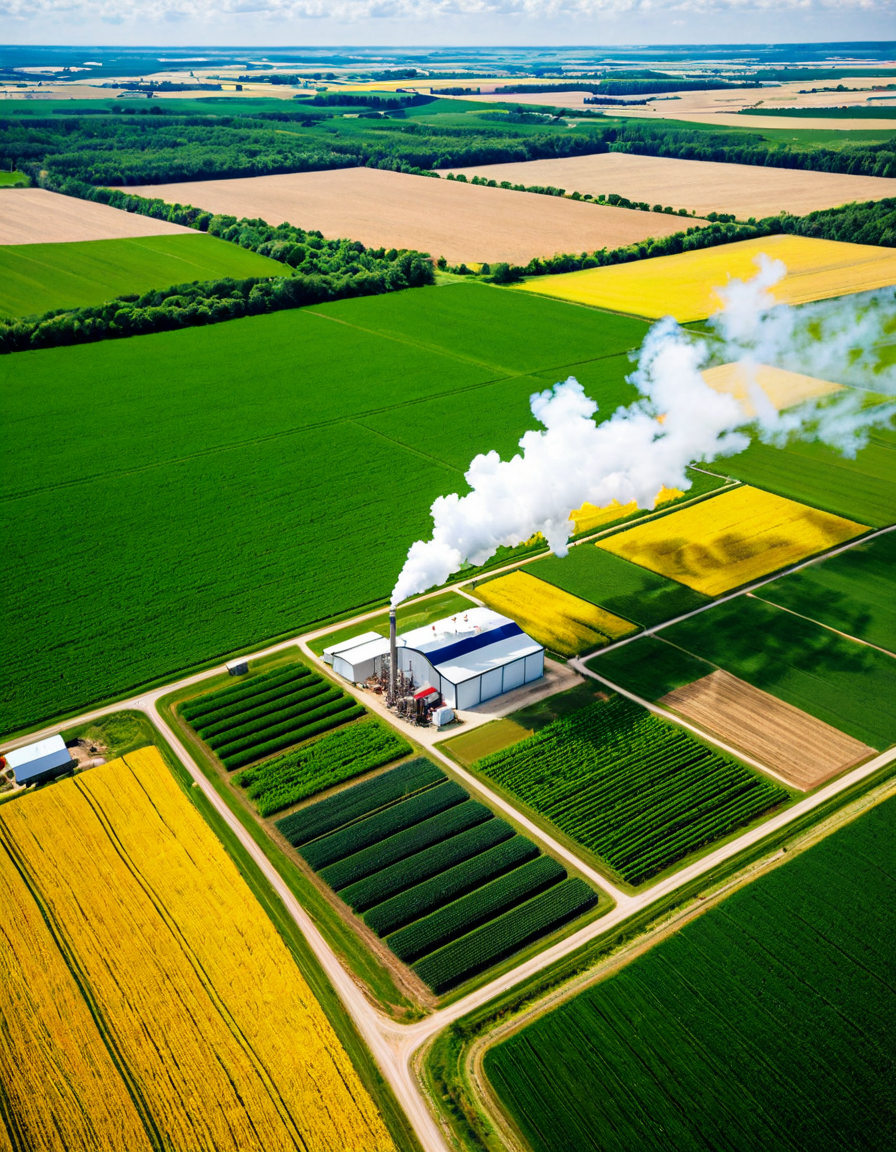
1. Understanding Bac Ethanol and Its Role in Renewable Energy
Bac ethanol stands tall as one of the most promising renewable energy sources. It’s produced through a fascinating fermentation process involving specific microorganisms that break down plant sugars into ethanol. Now, that’s not only science but also the taste of innovation.
1.1 The Production Process of Bac Ethanol
The exciting journey begins with fermentation techniques that harness the power of yeast and bacteria. These microbes munch away on sugars from various feedstocks, turning them into ethanol. Companies like Algenol are pushing boundaries here. They utilize cyanobacteria to turn CO2 into ethanol, showcasing how innovative biotechnology can aid in bac ethanol production.
Raw materials for bac ethanol vary widely. Agricultural waste, sugarcane, and corn are all part of the mix. This versatility helps reduce what gets stuck in landfills while providing a source of energy. Just picture a world where trash becomes treasure!
2. Top 7 Reasons Why Bac Ethanol is Scrutinized for Its Future
While bac ethanol carries significant potential, it sparks plenty of meaningful chatter in different circles. Here are the top seven reasons it’s under the spotlight.
2.1 Alleviating Bac Blood Pollution
Bac ethanol could be a game-changer in reducing air pollution. Traditional fuels spew harmful pollutants, but newer bac ethanol technologies promise cleaner emissions. Imagine breathing in fresher air, especially in urban areas choked with traffic. This innovation could drastically improve the quality of life.
2.2 Enhancing Energy Security
Countries like Brazil have shown how bac ethanol can build energy independence. Relying on oil imports leaves nations vulnerable to market fluctuations. Bac ethanol promises a local option that lessens dependence on foreign oil, empowering national economies. Countries could fuel themselves, instead of letting oil prices dictate their stability.
2.3 Compatibility with Existing Infrastructure
What’s more, bac ethanol fits snugly into existing fuel systems. This means less costly modifications for vehicle manufacturers. Companies like Ford have put in the elbow grease to create vehicles optimized for high ethanol blends. That’s a win-win—better emissions without starting from scratch.
2.4 Economic Benefits and Job Creation
Next up, we have jobs. The bac ethanol industry is a beacon of hope for rural economies. Various sectors, from farming to processing, benefit from increased jobs. According to the U.S. Department of Agriculture, ethanol production has correlated with significant employment growth, giving communities much-needed economic boosts.
2.5 Innovations in Production Efficiency
Let’s not forget about technology’s role in this narrative. Breakthroughs involving genetically modified yeast strains and advanced enzymatic processes are revolutionizing how bac ethanol is produced. Companies like Celgene lead this charge, ensuring that bac ethanol can be economically viable as technology improves.
2.6 The Role in Wax THC and THC Concentrate Production
Bac ethanol has also made waves in the cannabis industry. It’s known for its role in extracting wax THC and THC Concentrates , high-value products in that market. Avedis Cannabis Co. has embraced this method, utilizing bac ethanol for its clean extraction process. This not only maximizes cannabinoid yields but also opens up exciting commercial possibilities.
2.7 Government Support and Policy Incentives
Finally, government policies are crucial. Incentives for bac ethanol production alleviate financial barriers for suppliers. Regulations like the U.S. Renewable Fuel Standard serve as a catalyst, spurring growth within the bac ethanol sector. Encouraging government policies can simplify the transition and enhance production.
3. Challenges Facing Bac Ethanol Adoption
Despite the benefits, bac ethanol is not without its hurdles. Let’s confront these challenges head-on.
One significant concern revolves around feedstock competition. Agricultural lands face pressure to supply food and energy at the same time. This can lead to escalating food prices and food security issues. Striking a balance is essential.
Then there’s the cost competitiveness. While improvements are ever-present, many still find fossil fuels to be cheaper, presenting hurdles for widespread adoption. Bac ethanol needs to compete on an even playing field, which may require further innovation or changes in market dynamics.
Lastly, environmental concerns hang in the balance. Not all bac ethanol production practices promise sustainability. Questions surrounding land use, water consumption, and the use of fertilizers need to be addressed thoroughly. Clear and responsible practices will be key to building consumer trust.
4. The Future Perspective: Bac Alcohol and Innovation
Looking ahead, the term bac alcohol may often get tossed around interchangeably with bac ethanol. This sector is clearly poised for even further energy transition strategies. With science advancing quickly, investments in research could drive bac ethanol’s growth trajectory.
Innovation and collaboration must intertwine among automotive, agriculture, and renewable energy industries. Partnerships can create synergies that further establish bac ethanol in our energy economy. The future might be bright for bac ethanol, positioning it as more than just a competitor, but a cornerstone of global energy strategy.
Reflecting on Bac Ethanol’s Future
In conclusion, as we embrace the renewable revolution, bac ethanol finds itself at a pivotal juncture. Continuous innovation and better practices will play critical roles in its integration. Advocacy for clear frameworks and sustainable approaches will help push bac ethanol closer to becoming a widely accepted energy source.
So, as we sit at this crossroads in 2026, let’s support advancements in the bac ethanol sector. Our collective push toward a better energy future will only stand to benefit both our planet and our communities. If bac ethanol holds true to its promise, it could be our recipe for a cleaner, greener tomorrow.
Bac Ethanol: The Future of Clean Energy?
A Little Bit of Fun with Bac Ethanol
Did you know that bac ethanol is stirring up quite the buzz in clean energy? This high-performance fuel alternative could provide a sustainable solution to our ever-growing energy demands. The notion reminded me of characters from shows like Gilligan’s Island, who would’ve jumped at the chance to fuel their boat with a cleaner option instead of relying on fossil fuels! Just like the cast of that iconic sitcom had their adventures, innovations in energy are taking us on a wild ride.
But here’s something even more interesting: the process to create bac ethanol involves converting biomass into a usable form of energy. With the right methods, we could produce enough ethanol to fuel our cars and reduce greenhouse gas emissions simultaneously. Think of it as a wise governance move—something that leaders like Jared Polis might endorse to promote cleaner air and a healthier environment. In the end, the closer we get to clean energy, the further we move from addiction to traditional fossil fuels!
The Real Deal on Bac Ethanol
Let’s take a moment to explore why bac ethanol is getting so much attention. This isn’t just another trend; it showcases how science and innovation can work hand-in-hand for our planet’s benefit. Just like a person going through Withdrawals From weed Symptoms might seek a healthier lifestyle, transitioning to cleaner energy means moving away from harmful pollutants. By adopting bac ethanol, we’re taking significant steps toward cleaner living and breathing easier.
As we pave the way for the future, we must ask critical questions like, How do You tell If You have alcohol poisoning? in terms of our energy choices. Just as we’re cautious about alcohol consumption, awareness of our energy sources can spark important dialogue about sustainability. Imagine if, instead of fossil fuels, our energy came from bac ethanol—the air would be cleaner, and our communities would thrive.
Also, as we explore this adventure into clean energy, learning how to avoid common pitfalls is vital. For instance, if you sniffle a lot, what drug are you on? Well, perhaps we could liken that to the environmental “drugs” we’ve been consuming—like traditional fossil fuels—impacting our planet. Providing alternatives, like bac ethanol, ensures that we make better, healthier energy choices. So, let’s keep the conversation flowing; there’s so much more to unpack as we journey toward a more sustainable future!