The conversation around ayahuasca drugs is far from one-dimensional. These substances, deeply rooted in ancient Amazonian traditions, are now at the forefront of therapeutic discussions, especially for those grappling with addiction. Many parents—who may find themselves overwhelmed by their children’s struggles with addiction—are beginning to explore the potential healing effects of ayahuasca. This article delves into the top five ayahuasca drugs reshaping the healing landscape and offers insight into their transformative power.
The Top 5 Ayahuasca Drugs Transforming the Healing Landscape
Ayahuasca drugs are gaining momentum, and it’s not just for their cultural significance. Below, we dive into five notable forms of ayahuasca that stand out, each with its own myriad of effects and applications.
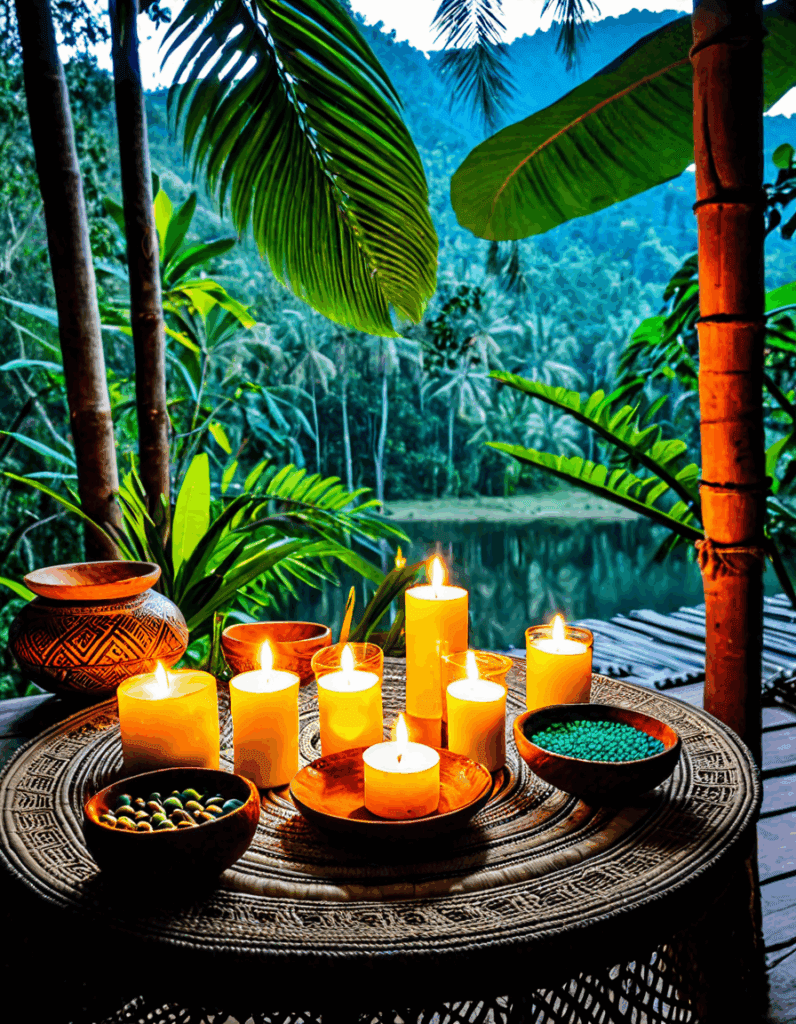
The traditional ayahuasca brew, crafted from the Banisteriopsis caapi vine and Psychotria viridis leaves, is the most iconic version. This drink, packed with DMT (dimethyltryptamine), unleashes intense psychoactive experiences. Research gathered, including findings from the Journal of Psychopharmacology, shows that participants frequently report significant reductions in symptoms of depression and PTSD after an ayahuasca trip.
For those seeking a more controlled experience, ayahuasca in capsule form is becoming a modern alternative. Companies like Soul Quest offer dosages that help bypass the nausea tied to the traditional brew. However, some critics raise concerns that this method might strip away the authentic spiritual connection that comes from a traditional ceremony.
Many retreats have started providing different variations of the traditional ayahuasca tea, some infused with herbs or flavors to make the experience even more enjoyable. For example, blending ayahuasca with chamomile is said to create a more calming journey, ideal for newcomers exploring the depths of ayahuasca.
While controversial, products featuring synthetic DMT are emerging as an option for individuals unable to access traditional ayahuasca ceremonies. Known for their fast onset and brief duration, these synthetic experiences raise questions about risks and benefits concerning mental health and the potential for addiction.
Microdosing ayahuasca is gaining traction in wellness circles. With influencers like Tim Ferriss and Joe Rogan highlighting its benefits, this approach involves taking sub-perceptual doses to improve creativity, focus, and emotional stability without undergoing a full-on ayahuasca experience.
What is the Ayahuasca Experience? Understanding the Journey
Diving into an ayahuasca experience is often described as a transformative journey. Participants typically face deep introspection and emotional release, often accompanied by visual hallucinations.
The Ayahuasca Meaning in Therapeutic Settings
These ayahuasca trips are more than just remarkable experiences; they act as profound therapeutic tools. The ayahuasca meaning extends into the realm of emotional healing. Many users describe feelings of interconnectedness and a renewed sense of life’s purpose. Research points to the psychedelic nature of ayahuasca as a key player in aiding emotional processing, driving breakthroughs for individuals battling addiction or trauma.
The Role of a Shaman
In traditional settings, the shaman is a cornerstone of the ayahuasca experience. These guides help participants navigate their journeys through ayahuasca, providing safety and a controlled environment. The shaman’s insight into interpreting visions often proves invaluable, particularly for individuals in recovery.
Scientific Backing and Anecdotes
Studies conducted by notable organizations like the Beckley Foundation showcase how ayahuasca influences brain function, improving mental resilience. Anecdotal evidence from participants at retreats paints an uplifting picture. Many recount life-altering perspectives gained after their ayahuasca experiences, offering hope to families dealing with addiction.
Potential Risks and Ethical Considerations
Despite their healing potential, ayahuasca drugs come with risks that mustn’t be ignored. The experiences surrounding these substances can provoke adverse psychological reactions, especially in those with existing mental health issues. Moreover, the commercialization of ayahuasca raises significant ethical concerns around cultural appropriation and the commercialization of sacred practices.
Support Systems for Participants
Having support in place for individuals embarking on ayahuasca journeys is vital. Many retreats now include pre- and post-ceremony integration sessions to foster mental health support beyond the ayahuasca trip. This holistic approach emphasizes the value of community and connection, particularly crucial for those hanging on through addiction.
Expanding the Conversation
As we continue to unlock the discussions surrounding ayahuasca drugs and their healing properties, we must remain curious and open-minded. Research continues, and personal stories of transformation are shared, providing an opportunity to connect cultural practices with contemporary therapeutic needs. Engaging in these discussions allows for a deeper understanding of alternative treatments, vital during an ongoing addiction crisis.
Ayahuasca experiences offer a pathway to healing, emphasizing connections—balancing relationships with oneself, with others, and with the larger environment. As we tread further into these conversations, promoting a thoughtful understanding of ayahuasca traditions and the respect that accompanies them holds transformative possibilities for those seeking healing.
For parents grappling with their child’s addiction, knowledge is power. Understanding ayahuasca drugs and their potential benefits can offer hope and new avenues for nurturing recovery. If you’d like to explore more about the exploration of ayahuasca’s role and its meaning, visit Mothers Against addiction.
Let’s face it together; healing begins with understanding and compassion.
Ayahuasca Drugs and Their Fascinating Insights
The Magic of Ayahuasca
When you think of ayahuasca drugs, what comes to mind? For many, it’s the traditional brew from the Amazon, famed for its powerful healing effects. Emerging from indigenous practices, ayahuasca is often sought after by those looking for profound insights. Interestingly, the concoction contains DMT, a substance that’s gaining interest similar to the buzz around more mainstream things like a ketamine pill. Just like that, the rise of psychedelics has led to various exciting discussions on mental health remedies.
Now, the potential benefits of ayahuasca have led to numerous studies. These drugs are believed to assist in treating issues such as depression and anxiety, and researchers are fervently exploring their potentialities. In fact, there’s often a comparison made between these ancient remedies and modern treatments like ketamine, which is showing promise in clinical settings. It’s amazing how the past can inform the future of healthcare!
Ayahuasca in Popular Culture
Did you know that ayahuasca has also made its mark in popular culture? Documentaries and films have been produced, diving into the experience of the brew. One notable example is the movie Stray, which explores themes of direction and identity, paralleling the journeys many undergo while under the influence of ayahuasca. The connection folks make with nature during these experiences runs deep, much like the raw, unfiltered energy you’d find in ello, a platform celebrating creativity and community art.
This interaction with nature is not limited to just ceremonies. People often share their transformational experiences afterward, reminiscent of gatherings around Chincoteague, where stories of change and healing resonate. It’s heartening to see a blend of culture and spirituality that surrounds these ayahuasca drugs, bridging tradition with modernity.
The Broader Psychedelic Landscape
As we delve deeper, it’s worth noting how ayahuasca fits into the broader psychedelic landscape. Other substances, such as ecstasy, are also being researched for their therapeutic implications, drawing parallels to the healing properties found in ayahuasca. This exploration fuels discussions on mental wellness and recovery, particularly for those feeling lost in their emotional struggles. It’s fascinating how these discussions frequently arise when we ask ourselves, “when is the next fed rate hike?”—an economic concern—yet, we often overlook the value of psychological healing as a crucial element of a happy society.
So, as the conversation around ayahuasca drugs continues to expand, it’s essential to remember the significance of these experiences. Whether you’re contemplating a personal journey or simply curious about the healing properties, exploring ancient practices can often lead to surprising insights. After all, wisdom can sometimes flourish in unexpected places, much like the captivating narratives shared by individuals like Steve Greener in conversations about healing and recovery. Keep these insights in mind as you navigate the fascinating world of ayahuasca and its multifaceted purpose in the modern healing journey.