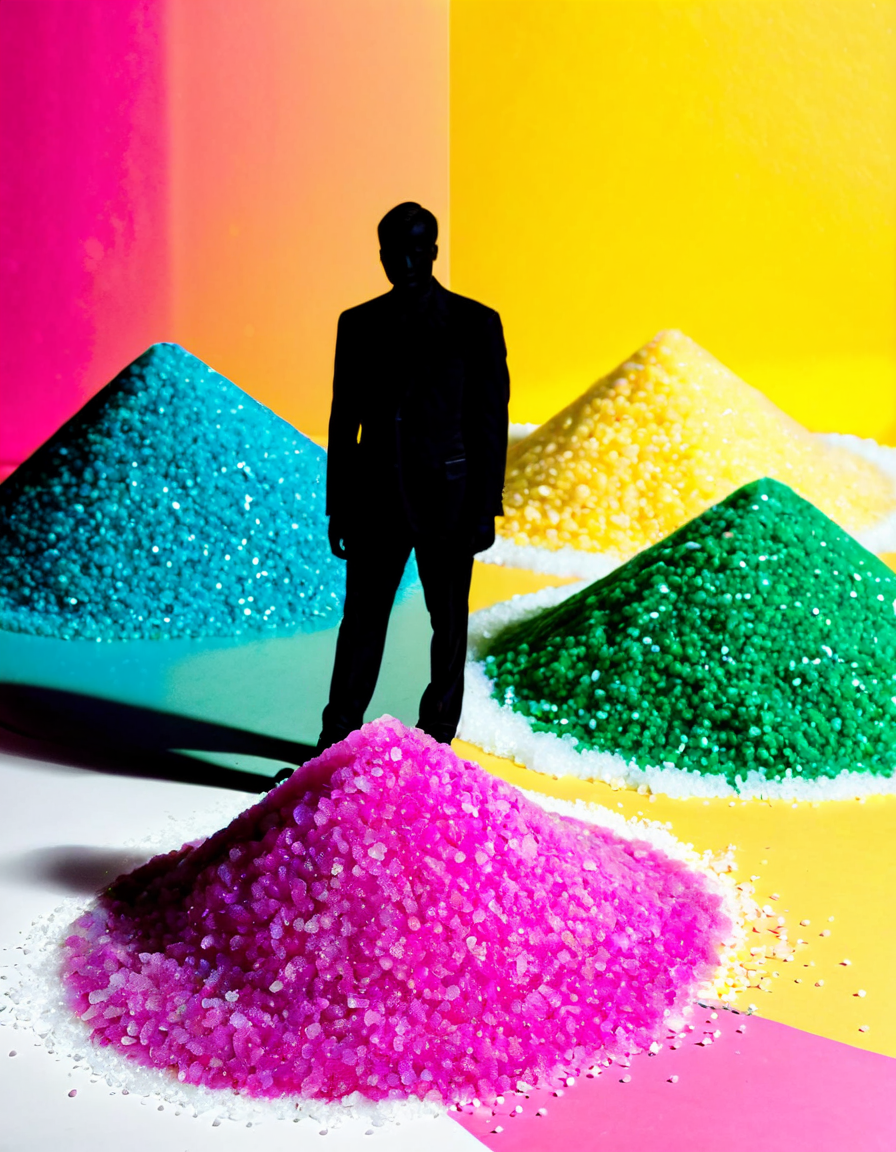
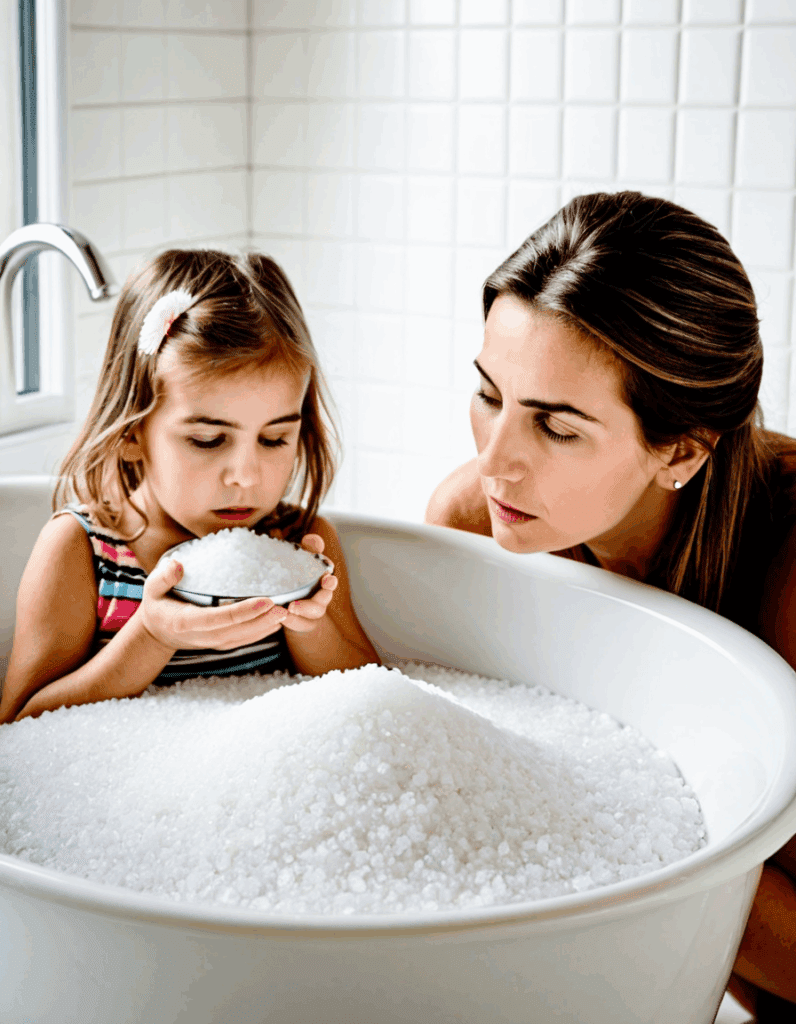
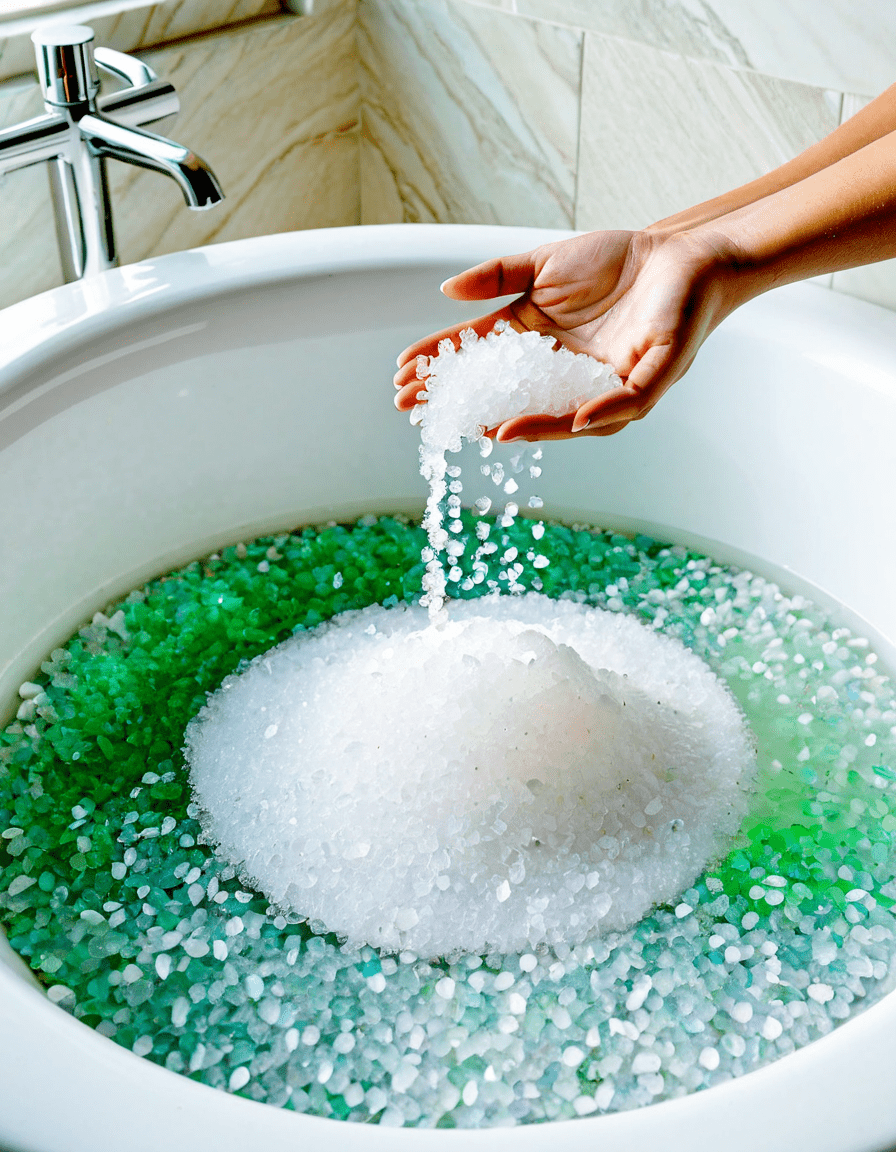
Bath salts aren’t the relaxing additive you might think they are. Instead, they are synthetic stimulant drugs, chemically resembling substances found in the khat plant, which is native to East Africa. These insidious substances have infiltrated communities and pose significant dangers to our kids, leading to devastating psychological and physiological effects. Bath salts coast under whimsical names like “Cloud 9,” “White Rush,” and “Vanilla Sky,” often wrapped in colorful packaging that makes them all the more enticing—especially for younger individuals. Unfortunately, the rampant accessibility of these substances raises alarming concerns for parents and communities worried about addiction.
As a parent, it can be heart-wrenching to consider that your child might come across these seemingly harmless products. The realization that what is bath salts goes beyond relaxation and beauty treatments to something so perilous is like stepping into a nightmare. Many people mistakenly think that if it’s sold in stores, it’s safe— but that couldn’t be more misleading! Similar to the allure of a forbidden fruit, bath salts draw in the curious and the unwary.
Understanding what is bath salts is crucial when you consider the sheer number of people they affect. With rising rates of addiction and cases involving severe psychological effects, being proactive can make a significant difference. Knowledge equips families, so let’s dig deeper into how bath salts wreak havoc on the brain and life.
The Mechanism of Danger: How Bath Salts Affect the Brain
Bath salts are not your typical recreational drugs; they contain a class of chemicals known as cathinones. These cathinones interact directly with the brain’s dopamine and norepinephrine systems. This interaction leads to a false sense of invulnerability. Users often experience amplified energy, alertness, and euphoria. However, it’s a double-edged sword, as this elevated state is frequently accompanied by frightening side effects like extreme paranoia, hallucinations, and violent actions.
It’s scary to think about the potential dangers involved. Users have been known to combine bath salts with other substances — say, alcohol or prescription medications — only to find the mix is even more volatile. This cocktail can result in accidents, crises, or worse.
The psychological toll doesn’t just affect the user; it ripples through families and friendships. Imagine a parent witnessing their child’s drastic personality change overnight. The need for discussions about what is bath salts and how they affect those we love can’t be emphasized enough.

Why Bath Salts are More Dangerous Than Other Substances
When compared to substances like magic mushrooms or alcohol, bath salts reveal a dangerously unpredictable side. With other drugs, even when issues arise, users can often identify the cause and manage risks. Bath salts, however, come from unregulated labs and can contain unknown additives. Users may consume a batch that’s laced with harmful chemicals, leading to overdose, unexpected violence, or irrational behavior.
To paint a picture, think about this: if someone consumes magic mushrooms, they may experience hallucinations—beneficial or detrimental—but they’re not usually linked to violent outbreaks. On the contrary, bath salts are notorious for triggering outbursts of rage or confusion. This unique risk makes educating ourselves and our families about what is bath salts even more critical.
With the unpredictable potency of bath salts, the outcomes could vary drastically. A user might arrive at a party seeking fun but end up causing chaos—yelling, attacking, or even harming themselves. It’s a stark difference that highlights the necessity for conversations and education around their dangers.
Comparisons: What Are Magic Mushrooms and Their Effects?
While we’re at it, let’s delve deeper into what magic mushrooms are and how they contrast with bath salts. The main psychoactive component in magic mushrooms is psilocybin, leading users to altered perceptions and introspective journeys. Unlike bath salts, which trigger extreme paranoia and aggressive behavior, magic mushrooms align with more gentle experiences.
Certainly, magic mushrooms aren’t without their own risks, as users may struggle with emotional repercussions, but the toxicity and aggression associated with bath salts make them considerably more fatal. When folks ask, What do magic Mushrooms do, it’s essential to underline the differences. Magic mushrooms can create profound personal insights without the constant threat of violence or self-harm—a reality far too common among those entangled in bath salt use.
Bringing this knowledge to the forefront can help parents engage in meaningful discussions with their children. Encouraging open dialogue creates a bridge for understanding what drugs, including bath salts and magic mushrooms, can do and how crucial it is to stay informed.
Noteworthy Incidents: Real-Life Cases of Bath Salt Use
The warnings surrounding bath salts aren’t baseless; real incidents cover the news. Take, for instance, the infamous case in 2012 involving Rudy Eugene, dubbed the “Miami Cannibal.” His outrageous behavior included chewing another man’s face on a Miami street, a shocking showcase of the potential effects of bath salts, even though tests didn’t definitively confirm their presence in his bloodstream.
Then there was the 2014 incident where a man under the influence of bath salts displayed what onlookers described as “superhuman strength.” It led to injuries for multiple police officers trying to bring him under control. These incidents reflect the unpredictability of behaviors and consequences tied to bath salts.
When facts like these make the headlines, they ripple through communities and hearts of parents everywhere. It’s vital to engage in discussions surrounding these events, making them opportunities to discuss the realities of addiction openly.
The Legal Landscape: What Are Bennies and Roofies in Context?
In understanding substances like bath salts, it’s equally important to consider other drugs like bennies (benzodiazepines) and roofies (Flunitrazepam). When prescribed for legitimate medical issues, these drugs are legal. However, misuse can lead to complications, such as addiction, overdose, or even dangerous interactions.
Unlike bath salts, which many places have outlawed for their dangerous nature, benzodiazepines and roofies carry different societal implications. Families often struggle with the gray areas of legality and addiction. Engaging with these issues enhances parents’ understanding of the varied dimensions of addiction their children might face.
Deepening this understanding becomes essential to positioning oneself against the tide of misinformation and stigma attached to addiction.
Innovative Insights on Prevention and Awareness
To combat the dangers of bath salts, we must obsess over educational efforts. Understanding addiction’s science bolsters communities against the threats of substances like bath salts. All parents desire a healthier future for their kids, but how can we manage that without knowledge?
Community programs should emphasize awareness and connectivity among families affected by addiction. That’s where organizations like Mothers Against Addiction play a critical role, fostering supportive environments for those affected, ensuring they know they’re not battling this solitary. When families can pool information and share experience, they empower one another.
By amplifying conversations about the dangers of synthetic drugs and magnifying real-life implications, we can foster informed communities. Promoting open dialogues offers preventative steps, allowing for proactive measures that may save lives and keep families intact.
Remember, it’s about collective awareness and understanding. Together, we can take a stand against addiction and empower parents to protect their children from the perilous grip of substances like bath salts. Let’s unite in our commitment to make lives better, and brighter, for our youth.
What is Bath Salts?
Bath salts aren’t your typical relaxation aids for a warm bath; instead, they represent a dangerous and potent class of synthetic drugs. Commonly, they consist of a mixture of chemicals resembling natural substances like MDMA or those found in the plant known as khat. However, their unpredictable ingredients lead to severe and often life-threatening side effects, causing users to experience extreme agitation, paranoia, and even hallucinations. Interestingly, if you look at the behavior of individuals under the influence of bath salts, you might feel like you’re watching a scene from the Saturday Night Fever movie, but with unpredictable and alarming outcomes.
The Hazards of Bath Salts
Why are bath salts particularly perilous? Well, the effects can last anywhere from a few hours to several days, making it tough for users to gauge their condition. You might be tempted to shrug off the dangers, but the fallout can look a lot like symptoms seen in cases related to the effects Of ecstasy. Beyond the immediate health concerns, addiction can evolve rapidly, drawing individuals into a cycle that’s hard to break—much like the challenges highlighted by studies on why do teens Vape. This vulnerability is particularly evident among younger users, who may believe they’re trying something harmless.
Distinguishing Myths from Reality
In the quest to understand what is bath salts, there are countless myths floating around, often perpetuated by sensational media stories. Many think they’re simply a legal way to get high, akin to the curiosity behind finding DMT or other substances. But here’s the kicker: most bath salts are designed in clandestine labs, making their composition a moving target. Just like navigating a Phoenix airport map, you can’t always predict where you’ll land, nor can you guess the consequences of using these drugs. Alarmingly, bath salts often lead to severe psychological effects and emergency situations, further underlining why communities are rallying for preventative measures—like the initiatives spearheaded by leaders such as the mayor Of Palm Beach. There’s a pressing need for awareness and education, especially for families affected by addiction or loss.
So, while some might view bath salts as just another fad, the reality is much darker. Engage with resources and support systems to uncover more about this trend and ensure that no one finds themselves in a situation resembling the intense drama of an unstoppable movie. The facts speak for themselves: vigilant awareness is key in combating the dangers associated with these substances.