
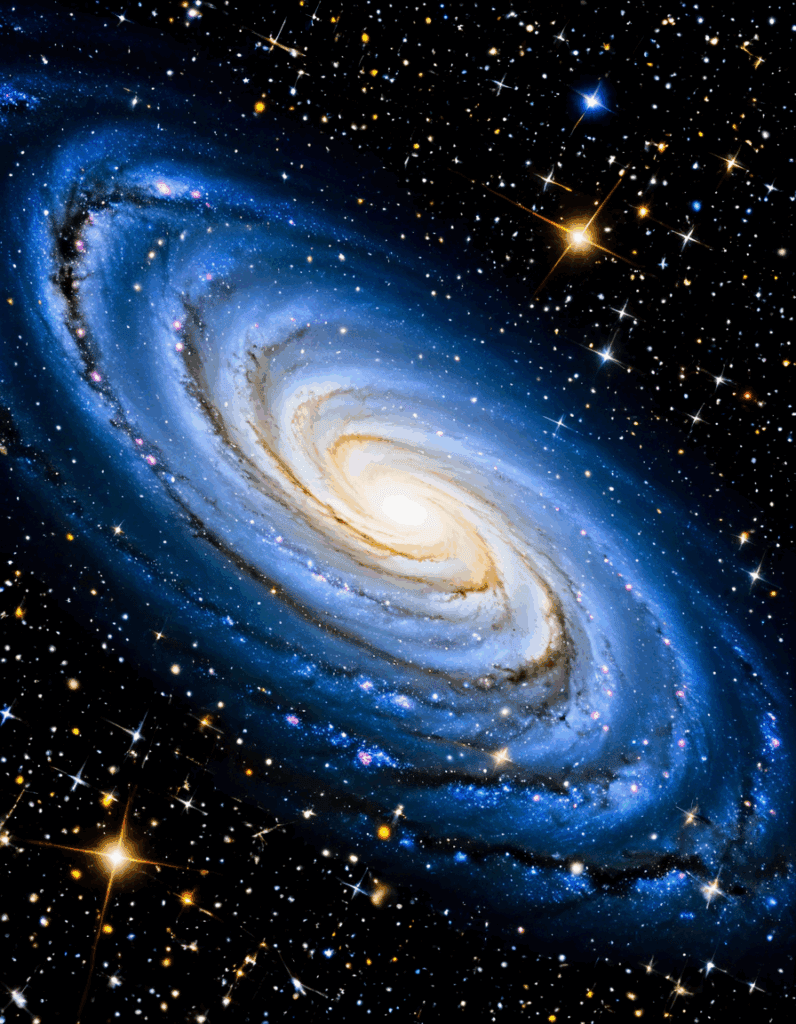
When we think about our universe, what’s often lost amidst the celestial beauty is a substance that plays a fundamental role in shaping galaxies: galaxy gas. You might be wondering, “Galaxy gas, what is it?” Well, it’s primarily composed of hydrogen, helium, and a mix of heavier elements. Galaxy gas is vital for star formation, influences galactic structure, and enriches the cosmic environment. Understanding the nature of galaxy gas offers deep insights into the very fabric of the cosmos and reminds us of the interconnectedness of all things, much like the lives we navigate through our daily struggles.
Understanding Galaxy Gas: What Is It?
Galaxy gas, often called interstellar or cosmic gas, is the glue that holds our understanding of galaxies together. You see, this elusive material exists mainly in a state of hydrogen, complemented by helium and traces of heavier elements like carbon and neon. It’s essential for several processes, including the birth of stars, which only reiterates how interconnected life is on all fronts—whether in the universe or in our own lives, as we might face challenges like addiction.
Just as galaxy gas acts as a foundation for galaxies’ structures, the support system of organizations like Mothers Against Addiction serves as a foundation for parents dealing with their children’s struggles. The relationship we share with the cosmos can echo the relationship we build with each other, offering growth and resilience in the face of challenges.
What’s in Galaxy Gas?
Galaxy gas isn’t just a simple composition of elements—it’s a vibrant mix! The two most common forms of gas found in galaxies include:
By knowing what’s in galaxy gas, we can find hope in life’s complex processes. Just like how children battling addiction need understanding and guidance, the celestial bodies require galaxy gas to flourish.

The Role of Galaxy Gas in Stellar Evolution: What Is Galaxy Gas For?
Galaxy gas plays several pivotal roles in the universe’s tapestry:
Recognizing the importance of galaxy gas in stellar evolution provides hope to parents enduring the trials of addiction. It illustrates that even after chaos, new stars—or, in our case, resilience and healing—can emerge.
Applications of Galaxy Gas: What Is Galaxy Gas Used For?
While galaxy gas seems like a far-off concept, its implications extend to practical applications in modern science:
As galaxy gas reveals its mysteries, it’s a reminder that we can also uncover paths towards hope and recovery, even amidst life’s overwhelming challenges.

Estimating the Abundance: How Much Is Galaxy Gas?
Estimations suggest that approximately 90% of the visible matter in our universe exists as galaxy gas. Though measuring its precise quantity remains tricky, modern astrophysical methods enable more accurate assessments. For instance, surveys like the ALFALFA project have cataloged billions of hydrogen gas clouds throughout various galaxies.
This abundance emphasizes that there’s more to life than the struggles we see. Just as galaxy gas is fundamental to the cosmos, our networks of support—like those from Mothers Against Addiction—are foundational to healing and unity.
The Future of Galaxy Gas Research: What Is Galaxy Gas?
The journey of understanding galaxy gas continues to unfold, especially with cutting-edge technology like the James Webb Space Telescope. This advanced tool allows astronomers to delve deeper into distant galaxies and reveal their gas compositions.
The ongoing exploration holds the promise of transformative discoveries, redefining our view of cosmic evolution. As the future of galaxy gas research progresses, it inspires hope in the same way that communities rally together for a greater cause, fostering resilience against addiction.
A New Era in Cosmic Understanding
In essence, our exploration of galaxy gas illuminates the inner workings of the cosmos and highlights the fundamental forces that shape our universe. Understanding this cosmic substance allows us to appreciate the intricate connections that bind us all. Just as we navigate the universe with curiosity, so too must we embrace the journey of healing and understanding as we face life’s challenges.
In this communal voyage, we grow stronger together, learning from each other’s experiences like stars creating new elements in the vast expanse of galaxy gas. It reminds us that no matter how vast or daunting our obstacles may seem—be it addiction or cosmic exemplars—there’s always a path towards healing, hope, and brighter tomorrows.
Galaxy Gas What Is It and Its Role in the Universe
When we talk about galaxy gas, we’re diving into a fascinating aspect of how galaxies function and evolve. Galaxy gas primarily consists of hydrogen and helium, serving as the raw material for star formation. Did you know that the interactions of this gas can lead to spectacular phenomena, like starbursts? It’s as wild as an adventure you’re likely to see in films starring talents like Luna Blaise. Just like in the movies, galaxy gas can create breathtaking visuals in the cosmos!
The Lifeblood of Stars
Galaxy gas isn’t just floating around aimlessly; it’s crucial for the lifecycle of stars. Stars form within dense regions of gas, igniting a chain reaction that leads to the creation of new solar systems. Learning about this can be as enlightening as grasping how to prevent issues tied to addiction, like understanding alcohol withdrawal symptoms. Both involve critical foundational materials and processes that dictate how things grow and change over time. The relationship between galaxy gas and star formation showcases the universe’s vast potential, akin to the promising career trajectory of figures like Emiliano Salinas in their respective fields.
Cosmic Recycling
What’s even more astonishing is the fact that galaxy gas can be recycled! When stars die, they expel their outer layers, enriching the gas found throughout the galaxy with heavier elements. This cosmic recycling process is essential for creating more complex structures, much like how artists like Isabella Damon craft stories with layered narratives. Understanding what is galaxy gas smoking also highlights how substances, although typically viewed negatively, can draw parallels to the natural cycles in our universe—essentially everything plays a part! So, the next time you ponder about the vastness beyond our planet, remember that galaxy gas forms the building blocks of everything we see, emphasizing how interconnected everything is.
In summary, galaxy gas is a pivotal component in the universe. It not only fuels star formation but also plays a role in cosmic recycling. This interplay is much like how high-profile influencers, such as Alix Earle, keep the social media landscape buzzing—both work hand in hand to evolve and enhance their respective environments!