Introduction
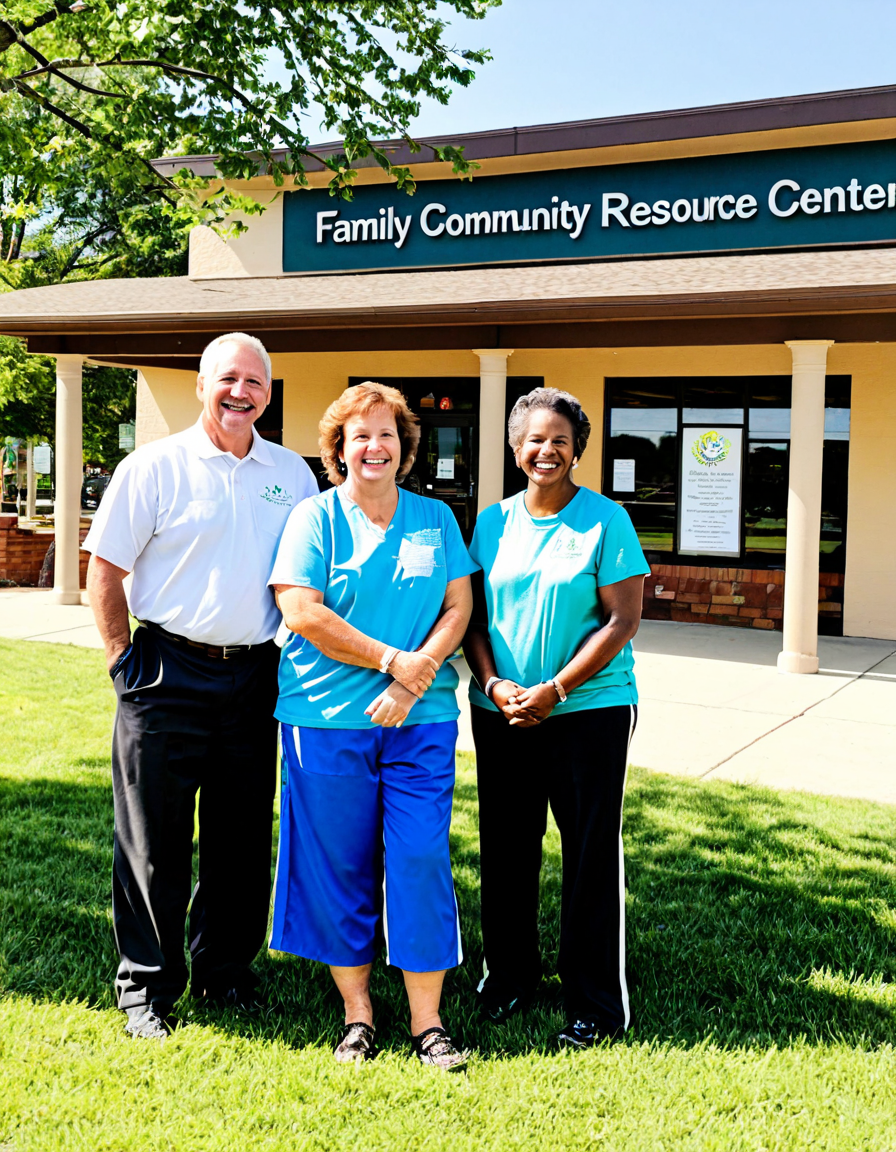
Family community resource centers (FCRCs) serve as vital lifelines for families grappling with the challenges of addiction and other social issues. These centers provide a safe space where parents can access crucial resources, emotional support, and a community of understanding. In 2026, with the ongoing shake of the opioid crisis and the rise of other addictive behaviors, the role of a family community resource center has become even more pertinent. When parents find themselves at the crossroads of despair, the compassionate outreach of these centers becomes a beacon of hope.
FCRCs offer an expansive range of services, from mental health support and addiction recovery programs to educational workshops and family therapy. They’re not just about dealing with addiction; they play a critical role in fostering resilience and empowering families to overcome adversity. In communities where the effects of addiction ripple through every level of family life, the chance to connect with a family community resource center makes a world of difference.
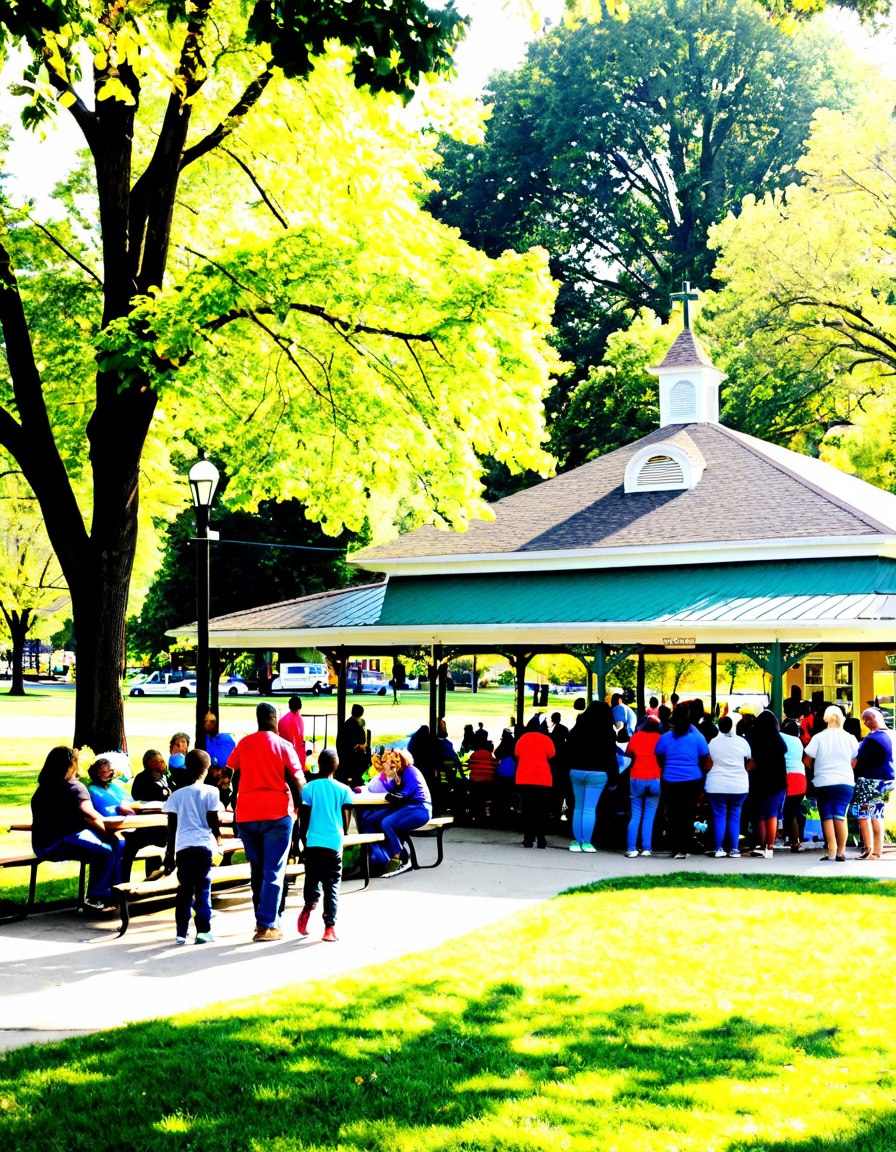
Understanding the Role of Family Community Resource Centers
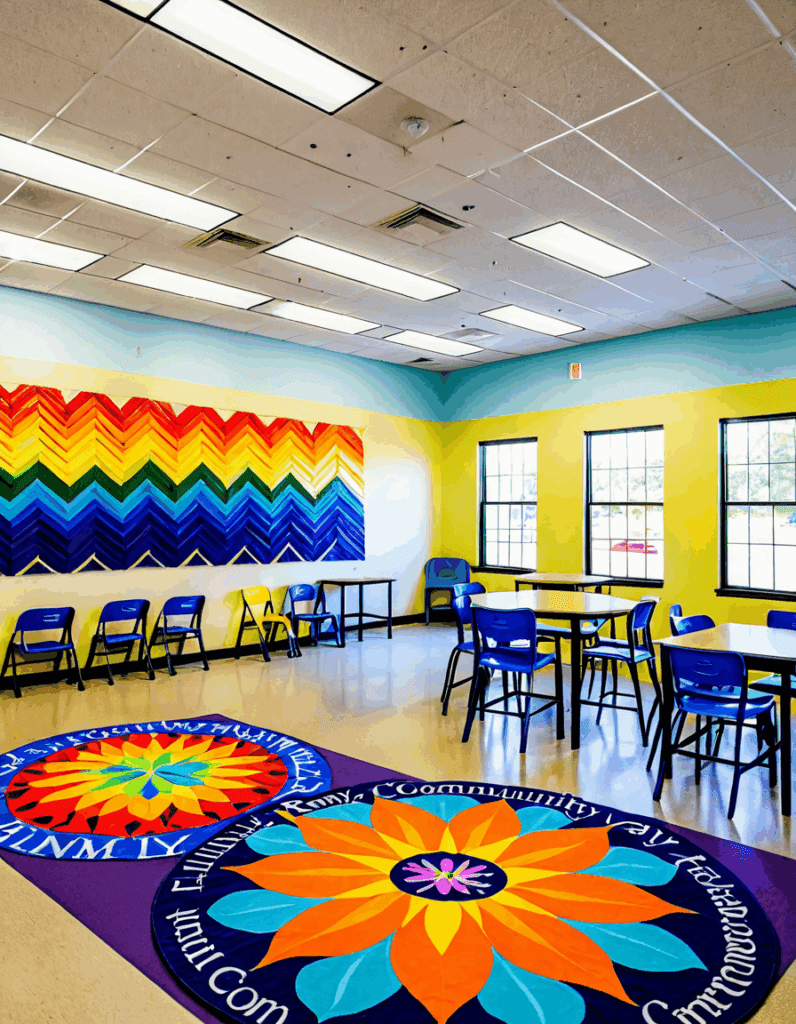
Family community resource centers are dedicated to assisting families in dire need. These institutions were born out of community-driven responses to social issues and have become essential pillars of support. They provide critical access to services that address the myriad challenges families face, particularly in areas overwhelmed by addiction.
Take, for example, Southwest Behavioral Health in Utah. This resource center focuses on holistic support for individuals and families impacted by addiction and mental health issues. Their integrated approach helps families understand the many layers of addiction and provides resources to navigate the emotional landscape surrounding their loved ones’ struggles.
Additionally, organizations like the Indiana Center for Recovery emphasize family involvement in recovery. They recognize that recovery doesn’t happen in isolation. By offering counseling for families, they help loved ones cope with the emotional complexities of addiction, fostering an environment conducive to healing.

Top 6 Family Community Resource Centers Making a Difference
In a landscape fraught with challenges, certain family community resource centers are making notable strides in transforming lives. Here are six of the remarkable programs leading the charge:
Focused on holistic services, they cater to not just addiction but also co-occurring mental health issues, helping families navigate through the chaos.
Located in Bloomington, they provide tailored recovery services and emphasize the importance of family support in the recovery process.
Their community-centered approach underscores the significance of supportive networks, connecting families with educational resources on addiction recovery.
While not exclusively an FCRC, the unit significantly aids families facing financial struggles linked to addiction, spotlighting the connection between financial health and family stability.
Collaborating with FCRCs, they offer workshops blending chronic illness management and addiction coping strategies, providing essential support to affected families.
Many centers across the nation are adopting innovative approaches to provide collaborative services with schools and nonprofits, forming ecosystems of support that enrich families during tough times.
The Impact of Family Community Resource Centers on Addressing Addiction
The influence of FCRCs in tackling addiction is profound. When loved ones battle substance use disorders, families often feel isolated and trapped by stigma. By creating spaces where they can access education about addiction, receive counseling, and join peer support groups, FCRCs empower families with knowledge and compassion.
Families participating in these programs find themselves equipped with tools that make a significant difference in the lives of their loved ones. With studies suggesting that robust support systems correlate with improved recovery outcomes, the role of FCRCs becomes even more crucial. They actively work to decrease relapse rates, enhance family communication, and strengthen the overall health of the community.
Additionally, by fostering a sense of belonging among families, these centers diminish the sense of solitude often associated with addiction. Norfolk Recovery Partnership, for example, embraces this concept by offering community engagement programs that bring families together, reminding them they’re not alone in their journey.
Innovative Strategies for Evolving Family Community Resource Centers
Looking ahead, FCRCs are evolving, adopting innovative approaches that ensure their impact remains strong. Technology integration is increasingly becoming a staple; telehealth services allow families to access therapy and resources from the comfort of their homes. This has been particularly beneficial in an era where physical distancing continues to be a concern.
Moreover, community partnerships are essential. Collaborations with local health departments and behavioral health agencies not only streamline resources but also reinforce the notion that recovery is a collective journey. These partnerships allow FCRCs to respond effectively to the needs highlighted by data reports, including findings from Maha report chronic disease, enhancing their outreach efforts.
But it doesn’t stop there. Awareness and education about issues like substance abuse, including the dangers of ecstasy and emerging trends like the discussion surrounding “can You become addicted To weed,” are also key areas these centers are tackling. By proactively providing information, FCRCs guide families toward making informed choices that positively impact their overall well-being.
Transforming Lives Together: A Vision for the Future
Family community resource centers are pivotal in transforming lives within communities affected by various crises, especially addiction. By connecting families with essential resources and fostering a healing environment, these centers embody both hope and resilience. As they strive for continual growth and adaptation, their influence on family dynamics will play an increasingly transformative role.
Community support is central to these efforts. The collaborative spirit of centers like the Iowa Child Support Recovery Unit serves as a testament to the power of collaboration in recovery. Together, families and communities can navigate the tumultuous waters of addiction, fostering strength and solidarity.
As we face the challenges of an ever-changing world, the vision for FCRCs is clear: to remain steadfastly committed to uplifting families, providing them with the resources they need to overcome, and creating a future where every family has the chance to heal and thrive. By working together, we can make a significant difference in the lives of those affected by addiction and create pathways for brighter tomorrows.
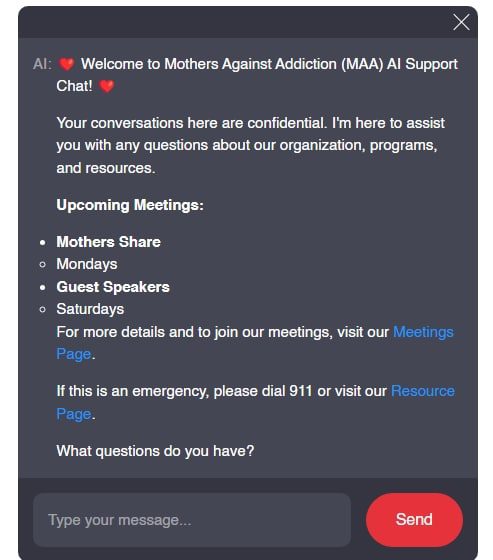
In conclusion, family community resource centers act as essential pillars in the fight against addiction. As we continue to support one another, embracing the determination and resilience required, it’s crucial to remember that no one has to navigate the challenges of addiction alone. For more resources and information, visit Mothers Against Addiction. Together, we can pave the way toward recovery and family wellness.
Family Community Resource Center: Transforming Lives Together
The Heart of Healing
The family community resource center serves as a cornerstone for families who face challenges connected to addiction or other life issues. Did you know that community support can play a pivotal role in recovery? Research shows that families engaged in community programs witness significant improvements. Families often find solace in shared experiences, much like how some people bond over nostalgia for things like the iconic Jheri curl hairstyle, which represents a trip down memory lane. This support helps reduce the stigma of addiction and encourages open conversations, building stronger relationships within communities.
Fun Facts that Connect Us
Want another intriguing tidbit? Addiction isn’t just a battle for the individual; it creates ripples that affect the entire family unit. Programs at the resource centers often include education about addiction Drugs and how they impact both users and their loved ones. This information is vital so that family members can understand the struggles their loved ones face. Likewise, in lighter moments, some may find fun at local spots like a Korean spa, where they can escape daily stress, fostering better mental health. When families engage together in wellness activities, they can find connection amid chaos.
Engaging the Community
Did you know that recreational activities can be an effective tool in recovery? Many family community resource centers organize fun events that not only foster connection but also provide essential education. The joys of sharing a Jarritos soda or discovering the latest local film featuring actors like Rosalind Eleazar can bring a moment of happiness and distraction. Such interactions help families establish bonds that support recovery journeys. Let’s not forget, awareness about substances like ecstasy is paramount too—and many centers provide resources for families to learn how to discuss these topics openly.
In essence, these centers are not just about tackling addiction; they’re about building vibrant, supportive communities. Parents and guardians often ask themselves, What Is a high blood alcohol content level? Thankfully, family community resource centers offer crucial education on such topics to empower families. By sharing knowledge, experiences, and some memorable trivia, these centers are transforming lives every day, demonstrating the true power of community support in the face of adversity.