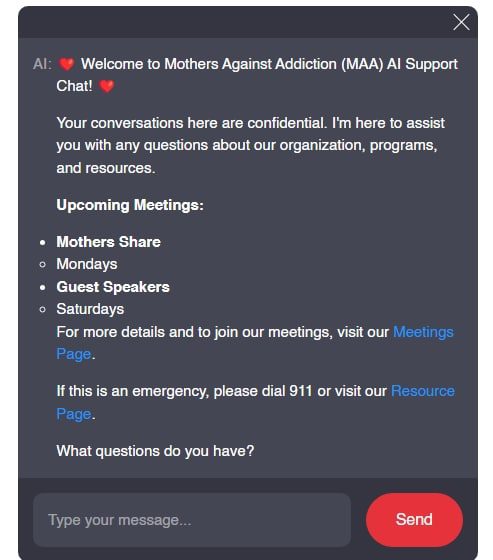

Addiction is a tough opponent, but knowing how to stop an addiction is your first step toward victory. It’s more than just quitting a habit; it’s about healing, growth, and reclaiming joy in your life. Whether you’re battling substances or supporting someone who is, the journey takes compassion, resilience, and effective strategies. At www.MothersAgainstAddiction.org, we understand this struggle intimately and are here to support parents of children facing addiction or those who have tragically lost a child to addiction.
7 Effective Strategies on How to Stop an Addiction
Breaking away from addiction isn’t a walk in the park. It’s a winding road to recovery filled with ups and downs. So, let’s explore seven effective strategies, like a guiding light, that can help navigate this journey toward a healthier and more fulfilling life.
1. Acknowledge the Problem and Seek Support
Taking the plunge to acknowledge that there’s an issue is your first major win. Self-awareness is a huge motivator for change. For someone struggling with alcohol issues, finding groups like Alcoholics Anonymous (AA) can be invaluable. These organizations foster a sense of community and personal accountability, creating bonds with those who’ve faced similar challenges.
It’s also vital for parents to lean on support networks. Trust me, you don’t have to go through this alone. Locating other families who understand your pain can be healing. You might find comfort in exchanging experiences and ideas for support techniques; it’s about sharing hope.
2. Educate Yourself About Your Addiction
Knowledge is power! Getting a grip on the science behind addiction can arm you for the battle ahead. For instance, the National Institute on Drug Abuse (NIDA) shares fascinating insights that link addiction to brain chemistry changes. Knowing that this isn’t a personal failure but a medical issue can shift how you approach recovery.
Embrace education as a tool! Read up on the latest research, attend workshops, or participate in forums. Knowing the facts can illuminate paths to recovery that you might not have considered before and help you better support those you love.
3. Develop Healthy Coping Mechanisms
Breaking free from addiction demands a solid toolbox of coping strategies. Instead of using substances as an escape, incorporate healthier outlets. This can include mindfulness practices, like meditation, or even artistic pursuits. Engaging in these activities helps you learn how to control my emotions, boosting your resilience when cravings hit.
Consider addressing your stressors creatively. Could you try painting or writing to express your feelings? Find joy in things that foster positivity instead of relying on substances.
4. Create a Structured Daily Routine
Establishing a routine can bring a much-needed sense of normalcy. Incorporate activities that promote well-being, like exercise, therapy, or quality time with loved ones. Numerous recovery programs, including SMART Recovery, stress the significance of structure, serving as an anchor in turbulent times.
This routine can also help avoid triggers. By planning your day around positive activities or support connections, you ensure you’re not left with idle time, which often leads to temptation.
5. Learn How to Help People with Drinking Problems
Understanding how to help people with drinking problems is crucial if someone close to you battles addiction. Start with education—know the resources available and familiarize yourself with local community options. Websites like the National Institute on Alcohol Abuse and Alcoholism (NIAAA) are rich with information about treatment paths.
Engaging in supportive communication without judgment can make a world of difference. Suggesting therapy or counseling is a way to show you care, and being present through the journey fosters trust and connection, ultimately encouraging them to seek help.
6. Construct a ‘Relapse Prevention Plan’
Having a proactive plan is vital to maintain sobriety. Identifying things that trigger cravings, establishing SMART goals, and learning coping strategies with the help of a professional creates a sturdy safety net. For example, consider someone recovering from alcohol addiction who feels an urge to drink during social activities. Preparing alternative non-alcoholic drink choices or practicing refusal skills ahead of time can help keep urges at bay.
A solid plan steers you clear of pitfalls, helping you stay focused as you journey toward a healthier life. It’s all about staying one step ahead!
7. Celebrate Small Victories and Set Realistic Goals
Don’t overlook the little achievements—they matter immensely. Celebrating milestones, such as maintaining sobriety for a week or avoiding high-risk environments, reinforces your commitment to recovery. Research shows that celebrating these wins enhances coping mechanisms for those on the road to recovery.
Setting realistic goals not only feels attainable but also builds momentum. Breaking big aspirations into smaller tasks can make the journey less daunting and offer a sense of accomplishment along the way.

Building Emotional Intelligence to Control My Actions
As you work on how to stop an addiction, focus on building your emotional intelligence. This skill is pivotal for managing the emotional landscapes of life and can change how you respond to triggers. Journaling can be an excellent tool for understanding your emotions. Reflecting on experiences fosters self-awareness and clarity about emotional triggers.
Consider seeking out therapists who specialize in addiction recovery. They can guide you through understanding your emotional struggles, offering tools to address them effectively.
How to Help an Alcoholic in Your Life
Knowing how to help an alcoholic is essential when supporting a loved one. Engaging in open and non-confrontational dialogues is key. Approach these conversations with heartfelt empathy. Talk about your concerns without finger-pointing or judgment, which encourages them to express their feelings.
Offering to assist them in researching treatment options is another supportive step. Resources like outpatient programs can help provide both guidance and stability. Remember, it’s about being there through the rollercoaster of recovery, sharing activities that encourage connection, and moving away from alcohol.

Embracing Recovery as a Lifestyle Change
Choosing to stop an addiction isn’t a one-time event; it’s a lifelong commitment to personal growth and emotional mastery. Embracing recovery means continuously integrating what you’ve learned into daily life. Engaging in supportive communities and nurturing positive habits helps solidify a fulfilling existence free from dependency.
Ultimately, recovery is about finding yourself again, enjoying life, and reconnecting deeply with loved ones. With endurance and the right tools, the horizon of an addiction-free future isn’t just a dream; it’s entirely possible.
At Mothers Against Addiction, our mission is to provide support and guidance for parents facing these struggles. Remember, you’re not alone in this journey. Reach out, educate yourself, and empower those you love on their path to recovery. Together, we can forge a brighter tomorrow, leaving addiction behind.
How to Stop an Addiction: Fun Trivia and Interesting Facts
The Unexpected Statistics of Addiction
Did you know that nearly 21 million Americans are battling addiction? That’s more than the total number of people diagnosed with all kinds of cancer combined! Understanding how to stop an addiction often starts with realizing just how widespread this issue is. Good support networks can work wonders, similar to how proper information can help one understand the risks of driving while drinking. Given the right tools and knowledge, anyone can reclaim their life.
Another fun fact: alcohol poisoning claims about 2,200 lives annually in the U.S. Alone! Before diving into how to stop an addiction, knowing the consequences of substance use is vital. Interestingly, many don’t recognize the signs until it’s too late. If you or a loved one ever wonders about the extreme end of alcohol consumption, you can check out resources on how to get alcohol poisoning for safety reasons. This awareness is a critical step towards reclaiming one’s life from the grip of addiction.
Alternative Substances and Their Risks
When most people think of addiction, they often focus on alcohol or drugs like cocaine. However, here’s a little trivia nugget: K2 drugs, a synthetic marijuana, have emerged as surprising contenders in the addiction game. These substances can be deceptively marketed and cause alarming side effects. Wondering about another risky behavior? The rise of smoking K2 shows how people seek alternatives despite potential hazards to their health.
Navigating through the lows doesn’t have to feel lonely. Share your thoughts with someone like Mark Levin, who often champions mental health awareness, or explore supportive communities that encourage prevention. And remember, shedding light on these topics not only builds awareness but also reshapes perceptions. After all, knowing the facts is just as critical as learning how to be single cast in your own life narrative; cutting out unhealthy ties can lead to incredible empowerment.
Real-Life Impacts and Recovery
Lastly, here’s a human touch to this whirlwind of facts: losing a loved one to addiction can be devastating, much like those heart-wrenching stories of individuals who revealed a real cheating wife during tough times. Such emotional journeys highlight the importance of addressing addiction head-on, reinforcing the need for support and understanding.
At the end of the day, the path of how to stop an addiction is paved with education, community, and self-awareness. By taking little steps today, like learning about the risks of certain substances or discussing personal struggles, every individual can reclaim their life bit by bit, making way for a brighter tomorrow. Finding support may feel daunting, but always remember, there’s light at the end of every tunnel—and plenty of avenues for help.