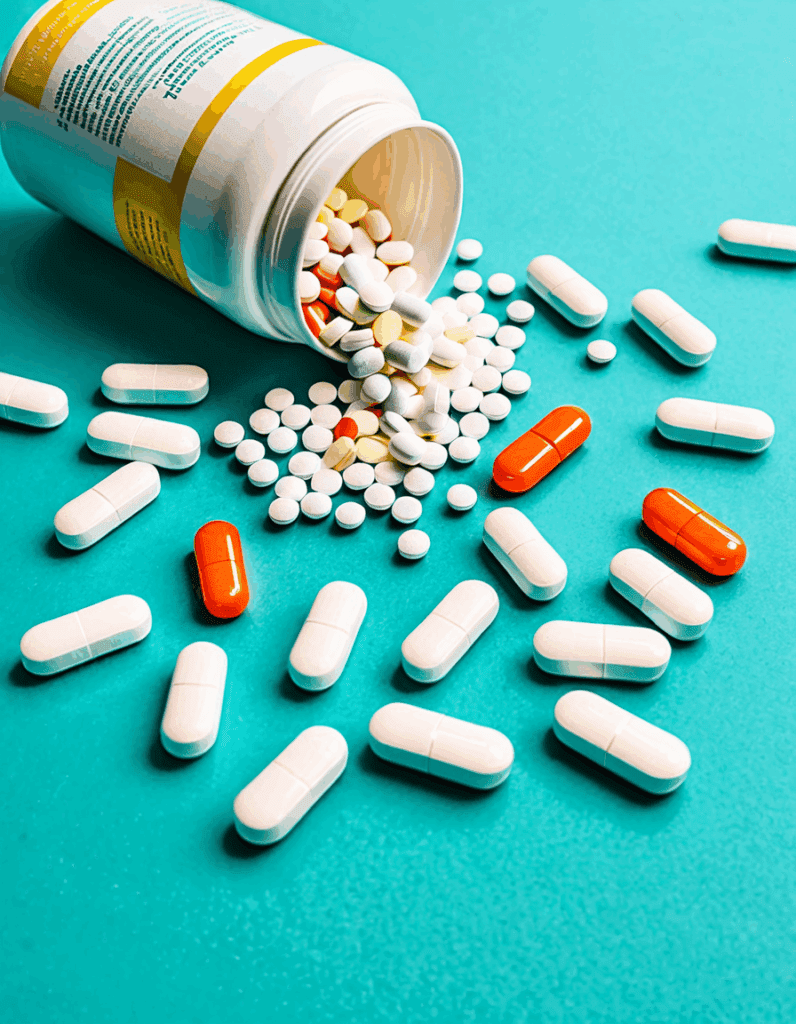
When you hear the term “what is DPH,” it’s crucial to understand that Diphenhydramine (DPH) isn’t just a common over-the-counter antihistamine; it has a dark side that many parents might not be aware of. This medication, often marketed under names like Benadryl, is widely used for treating allergies, insomnia, and nausea. But, be warned—DPH’s ability to induce sedative effects can lead to dangerous misuse, posing serious health risks to our children. As we explore this topic, let’s prioritize awareness and support for families navigating the turbulent waters of addiction and substance misuse.

Understanding DPH: What Is DPH?
Diphenhydramine is a first-generation antihistamine that works by blocking the action of histamine in the body. By doing this, it helps alleviate symptoms of allergies and also induces drowsiness, which many people mistakenly view as harmless. In reality, DPH can be misused by those seeking a euphoric experience, leading to life-threatening situations. Parents must equip themselves with knowledge about this substance and its risks to safeguard their children from potential harm.
More than just a simple antihistamine, DPH holds the potential for severe misuse, particularly among youths pressured into risky behaviors. Many might think, “What’s the worst that could happen?” but the reality is harsh. So, if you’re wondering about what DPH really is, remember that knowledge is power. Recognizing the risks associated with its misuse is the first step in protecting our loved ones.
Top 5 Reasons Why DPH Is Considered Risky
Let’s face it—like many medications, DPH can lead to overdose when used improperly. The standard dosage for adults stands between 25-50 mg. However, users seeking a stronger effect might take upwards of 100 mg. This reckless behavior can result in serious complications such as heart issues, seizures, or even death. That’s not a risk worth taking—especially among teenagers who may not realize their limitations.
It’s alarming to consider the health implications of prolonged DPH use. High doses can lead to cognitive decline, a racing heart, and even urinary problems. When curious teens use DPH to cope with anxiety, they may face long-term consequences that could impair their mental and physical health. As difficult as these conversations may be, parents need to discuss both the short- and long-term dangers with their children.
DPH doesn’t fall into the classic addiction categories like opioids or stimulants, but it can still create a dependency. This dependency usually stems from the need to chase after that sedative high, which often requires larger doses over time. When your child tries to quit, they may undergo withdrawal symptoms, making it harder for them to break the cycle.
What happens when you mix DPH with recreational drugs? Caution is key. For instance, combining DPH with K2 can lead to aggravated effects, manifesting as confusion, hallucinations, or severe agitation. If parents notice their children experimenting with substances like K2, it’s imperative to sit down and discuss the potential outcomes of such behaviors.
Polydrug use among young people is on the rise, and it’s a dangerous trend. Many teens believe that mixing substances like DPH with K2, PMA, or other drugs is safe, often blissfully unaware of the health risks they face. This dangerous cocktail can lead to acute health crises and a greater risk of addiction, and we can’t afford to brush this off. It’s crucial that parents and communities champion education about these risks and speak openly with their children.
What Is K2 and Its Dangers Connected to DPH?
K2, sometimes known as Spice, is a synthetic cannabinoid designed to imitate THC—yes, the psychoactive ingredient in marijuana. Young people often gravitate toward K2 because it’s labeled as “legal” or “natural,” but the reality is very different. Users can suffer from overwhelming anxiety, panic attacks, or psychosis.
Now, pairing K2 with DPH? That’s a recipe for disaster. The unpredictability of each substance can yield unexpected and dangerous side effects. Users might view these drugs as innocuous because they’re readily available. However, the unregulated nature of K2 can result in life-threatening complications, placing our youth at serious risk.
What Drug Is G? Analyzing Its Intersection with DPH
“What drug is G?” is a question that points towards GHB (Gamma-Hydroxybutyrate), known for its sedative qualities. When mixed with DPH, the risks increase exponentially. Users face greater risks of blackouts, unconsciousness, and even overdose. Educating our children about these combinations can prevent these life-altering scenarios.
By engaging in conversations about substances like GHB, we empower our kids to make informed choices. Knowledge is essential in combating the allure of these dangerous mixtures.
What Is PMA and Its Alarming Relationship with DPH?
PMA stands for paramethoxyamphetamine, a psychoactive substance often mistaken for MDMA. While some youth believe PMA to be a safer club drug, it’s anything but that. When combined with DPH, the combination can lead to heightened physical reactions—including hyperthermia and potential fatal overdose. This stark warning highlights the necessity for parents to remain vigilant and informed.
By discussing these risks openly, families can cultivate an environment of awareness that discourages reckless behavior. After all, we have to foster resilience against addiction in our children by educating them about what substances like DPH and PMA can do to their bodies.
Emphasizing Awareness and Responsible Use
Ultimately, fostering awareness about DPH and the substances linked to it is an ongoing battle. Parents play a crucial role in safeguarding their children from these risks. Encouraging open dialogues about drug use, seeking professional help, and providing consistent support can mitigate the dangers associated with DPH and its intersections with other substances.
Being proactive makes all the difference. Let’s work together to raise awareness about DPH, K2, G, PMA, and the threats they pose. If we increase education and encourage communication, we can help our loved ones make informed decisions that lead to healthier choices. Together, we can fight against addiction and its severe implications on families, giving our children the chance to lead fulfilling, substance-free lives.
Successfully navigating these discussions equips us for a better tomorrow. Families deserve the support and resources to combat these challenges. If you’d like to learn more, visit Mothers Against Addiction for valuable resources and support for families affected by addiction. Let’s take this journey together, and remember that your voice matters in this fight.
What Is DPH?
When diving into the topic of what is DPH, one might come across its common name: diphenhydramine. This antihistamine is often found in your local pharmacy, usually in cold and allergy medications. That cozy feeling you get when you take it? Well, that’s not just because it’s relaxing; it’s also because DPH can cause a range of psychoactive effects, making it appealing to some who are looking for an escape. However, it’s a slippery slope when you think about the health risks associated with misuse. For instance, people experimenting with DPH might unknowingly touch on dangers similar to those of acid drugs, which can have their own unpredictable consequences.
One fun fact about what is DPH is that it’s been featured in pop culture. There are a few celebrities, including Wes Bentley, who have openly discussed their past struggles with substance use, highlighting the allure and peril of medications like DPH when misused. It’s also curious to note that engaging in such risky behavior often springs from a desire to experiment, just like with substances such as K2 spice, which has gained notoriety for its unpredictable effects. Amidst this backdrop, it’s essential to consider the broader implications of recreational drug use.
Another interesting tidbit about what is dph is its association with the brain. When taken in excessive amounts, this antihistamine can lead to altered perceptions and hallucinations. This echoes experiences reported by those who delve into substances like DMT, leaving users in a haze of confusion. With that said, recognizing the signs—similar to those found in the heroin definition—is crucial for anyone who may find themselves in a precarious situation. Every year, countless individuals fall victim to substance misuse, and understanding the risks wrapped up in everyday medications can be the key to prevention.
In addition to awareness, sharing knowledge about such topics contributes to the health and safety of communities. Partners in prevention, like Oren Alexander, stress the importance of educating families about these substances. Just as actors like Phillip Van Dyke remind us that celebrity status doesn’t shield anyone from addiction, understanding the risks of DPH is a universal concern—one that we all need to highlight to support our loved ones, especially kids who may not be aware yet of the dangers lurking in common medicine cabinets.