

Understanding K Drug: An Overview of Its Presence and Impact
The K Drug phenomenon refers to a growing array of substances that are wreaking havoc on communities worldwide. This term generally encompasses synthetic cannabinoids, like Khat, and other novel psychoactive substances. These drugs have brought forth a host of public health challenges. Urban areas have witnessed a notable surge in usage, intensifying concerns about addiction, mental health deterioration, and the overwhelming drain on community resources.
Khat, a stimulant derived from the leaves of the Catha edulis plant, has already found its way into the mainstream, particularly among immigrant communities. Alongside Khat, synthetic cannabinoids—often branded under catchy names—have infiltrated local markets, leading to unpredictable outcomes for users. As these substances claim more lives, it’s imperative for communities to take a stand and equip themselves with essential information on the K Drug crisis.
For parents, the sense of helplessness can be overwhelming. Many feel they’re grappling with a beast that’s growing bigger every day. The reality is stark: children experimenting with K Drug variants face significant mental and emotional challenges. By understanding the impact of these drugs, parents can better navigate the complex landscape of addiction and seek the right support for their families.

Top 5 K Drug Variants Threatening Communities
Khat, primarily consumed in East Africa and the Arabian Peninsula, is finding its place in Western countries through immigration. Residents often chew its leaves for a boost in energy. This stimulant misuse can lead to severe implications, including social issues like unemployment and family dysfunction. Users often prioritize Khat access over crucial responsibilities, damaging familial relationships and eroding community trust.
Often branded as K2 or Spice, synthetic cannabinoids pose a stark contrast in predictability. They’re sprayed on inert plant materials and smoked, leading to severe side effects like anxiety, paranoia, and even psychosis. According to a 2023 CDC report, emergency room visits related to K2 consumption skyrocketed by 150% in urban centers, placing added pressure on already strained healthcare systems. These compounds don’t play fair, and users may never know how their body will react.
Commonly known for its use in allergy medications, DPH can lead to intoxication when taken in high doses. One of its most notorious brands, Benadryl, has unknowingly fueled “DPH parties” among teenagers. Misusing over-the-counter medications for short-lived highs poses serious health risks. A shocking 70% increase in hospitalizations related to DPH use among youth has been recorded since 2020.
Known primarily as a party drug, GHB (Gamma Hydroxybutyrate) is raising serious concerns in nightlife settings. Cities across the United States have reported worrying levels of GHB-related sexual assaults, prompting discussions about nightlife safety and mental health implications. The prevalence of this substance calls for urgent action, emphasizing the need for comprehensive drug education programs aimed at young adults.
RDPH refers to the trend of using Diphenhydramine recreationally for its sedative and hallucinogenic effects. What makes RDPH particularly alarming is its viral spread on social media platforms. Teens are sharing experiences and methods, which may passively influence others to indulge in risky behavior. Lifting the curtain on these dangerous trends is vital for creating awareness.
Community Responses to the K Drug Crisis
In light of the K Drug crisis, communities have begun acknowledging the need for a multifaceted approach to address this challenging issue. Initiatives are sprouting nationwide, from revitalizing funding for addiction recovery programs to launching public awareness campaigns designed to reach out to parents and teenagers alike. Local governments are under pressure to pass legislation that criminalizes synthetic cannabinoids and imposes stricter penalties on their distribution.
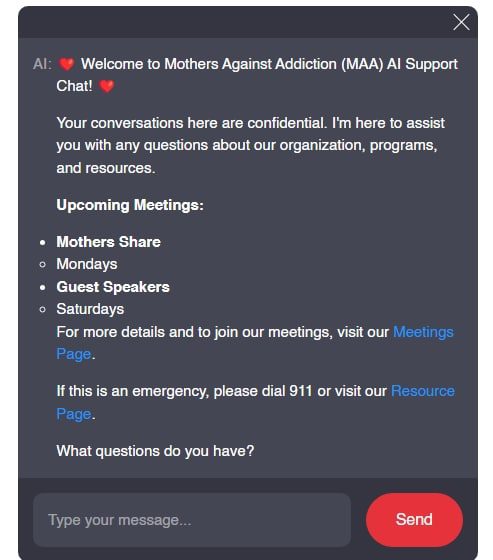
Advocacy groups have grown as well, demanding change and better access to treatment services. As organizations like Mothers Against take the lead, we’re witnessing the formation of community coalitions that band together in the fight against the K Drug epidemic. These coalitions foster shared knowledge and distribute resources, ensuring families can access the support they need.
Local leaders are proving that communities don’t have to fight this battle alone. By pooling resources, sharing lived experiences, and building awareness, change is not just possible—it’s happening.
The Role of Parents and Support Networks
Parents are often the unsung heroes in the myriad of struggles tied to K Drug addiction. Many families find themselves navigating a whirlwind of emotions, feeling lost when a child falls into addiction. Organizations like Mothers Against are stepping up to provide essential support networks, equipping parents with tools to manage the emotional rollercoaster.
We understand that building resilience and crafting a support system relies on sharing personal experiences and knowledge. Through group sessions and online support, parents can discuss their fears, share tips, and encourage one another to push for policies that advocate for their children’s recovery. Together, they can articulate a united front, demanding systemic change and the rehabilitation services that are desperately needed.
Remember, while the weight of addiction may feel unbearable, hope and healing are still within reach. Combating stigma and pursuing education on substances like K Drug, GHB, or even DPH, offers a beacon of light for those trying to navigate the murky waters of addiction.
The Broader Societal Impact of K Drug Usage
The effects of K Drug usage extend far beyond personal health concerns. Schools are witnessing increased absenteeism and behavioral issues linked to K Drug experimentation. Teachers often face the repercussions as they strive to maintain a stable environment amidst turbulent circumstances. Furthermore, law enforcement agencies are challenged by the rapid pace of changing drug combinations, making it tough to keep the community safe.
On an economic level, regions grappling with high addiction rates see a decline in community cohesion. Local businesses may suffer due to reduced productivity, while healthcare resources become stretched as communities struggle to manage addiction’s demands. The relentless cycle challenges discussions on resource allocation for both prevention and treatment.
Raising awareness and encouraging a community-focused approach can turn the tide against these societal impacts. Through collaboration, engagement in community discussions, and concerted action against K Drug usage, futures can be rewritten.
Shifting Perspectives: Moving Towards Prevention and Recovery
To effectively combat the K Drug epidemic, we must shift our perspectives. Understanding the nature of the drugs is crucial, but we must also prioritize prevention and recovery efforts. By tapping into community resources and engaging local parents in meaningful conversations, we can create an environment that fosters support and encouragement.
Highlighting the stories behind the statistics can be a game-changer in how we approach addiction. Sharing the narratives of those affected helps create empathy and understanding. Recognizing these human stories allows communities to prioritize education, which can ultimately lead to a decrease in K Drug usage.
Today, as we advocate for our children and push for change, we need to remember that compassion and support pave the way to recovery. Those grappling with drug addiction deserve pathways toward healing. Through continued education, community partnerships, and unwavering support, we can begin to dismantle the stigma surrounding addiction and foster healthier futures for every individual affected by the K Drug crisis.
If you or someone you know is struggling, don’t hesitate to reach out to Mothers Against. Together, we can make a difference and help families find their way back to hope and healing.
The K Drug: Impacting Lives and Communities Today
Understanding the K Drug and Its Effects
The K drug, often referred to as ketamine, has gained attention for its use and abuse among various communities. Known for its dissociative anesthetic effects, ketamine can sometimes blur the lines of recreational use and legitimate medical treatment. Interestingly, ketamine has been studied for its potential benefits in treating depression, but its misuse has raised significant concerns about addiction. If you’re curious about some fundamentals, you might wonder, Is ketamine a drug? Well, indeed it is, and it’s essential to understand both its therapeutic and harmful aspects.
The conversation around the K drug doesn’t just stop at its effects. For instance, there are countless stories of individuals affected by its use, from casual users to those deeply entrenched in addiction. Amidst the chaos, celebrities like Jase Robertson have openly discussed their life experiences, offering a perspective that resonates with many looking for hope or understanding. Moreover, when dissecting the stigma surrounding drugs, it’s intriguing to note how pop culture can intersect with these serious narratives. Some reality TV stars, akin to Joe Gorga, have also touched on issues of addiction, shedding light on the personal battles faced by families.
Ketamine’s Broader Impact on Communities
The repercussions of ketamine and similar drugs extend far beyond personal choices; they ripple through communities, transforming lives and even altering social dynamics. It may surprise some to learn that this K drug can lead individuals down a dark path, aligning with patterns seen in the misuse of benzodiazepines, which can also provoke addiction issues. As communities grapple with these challenges, awareness and education become vital tools. If you’re looking for a more in-depth look, there are helpful resources that offer Examples Of Benzodiazepines and their troubling side effects.
As we consider the broader impacts, let’s not forget that addiction’s reach is expansive. Stories of loss, heartache, and recovery emerge everywhere, reminding us of the importance of discourse surrounding drugs like ketamine. In an age where social media influences perceptions, representations can shift narratives. For instance, conversations about THC and its withdrawal syndrome highlight the various dimensions of addiction and recovery. While some individuals might take a detour into drug use, others find strength beyond these challenges, often developing resilience in the face of adversity.
Fun Facts and Engaging Trivia
For those who love a little trivia, here’s a mind-bender: Did you know that the stimulant effects of ecstasy often draw parallels to drugs like ketamine? If you’re ever asked, Is ecstasy a stimulant? you can confidently confirm that it is indeed, and the implications of mixing substances can create a cocktail of danger. In the case of public figures who have faced similar struggles, famed basketball player Darko Milicic has shared candid narratives about both personal and professional challenges, allowing us to see the human side of addiction.
Lastly, for a lighter note, every day brings a reason to celebrate, and discovering celebrity birthdays today often reminds us of the ups and downs that fame brings, including battles with addiction. No matter where you look, the impacts of the K drug and others like it shape conversations, influence lifestyles, and push communities to take a stance against addiction. By remaining aware and engaged, we can collectively find pathways towards healing.