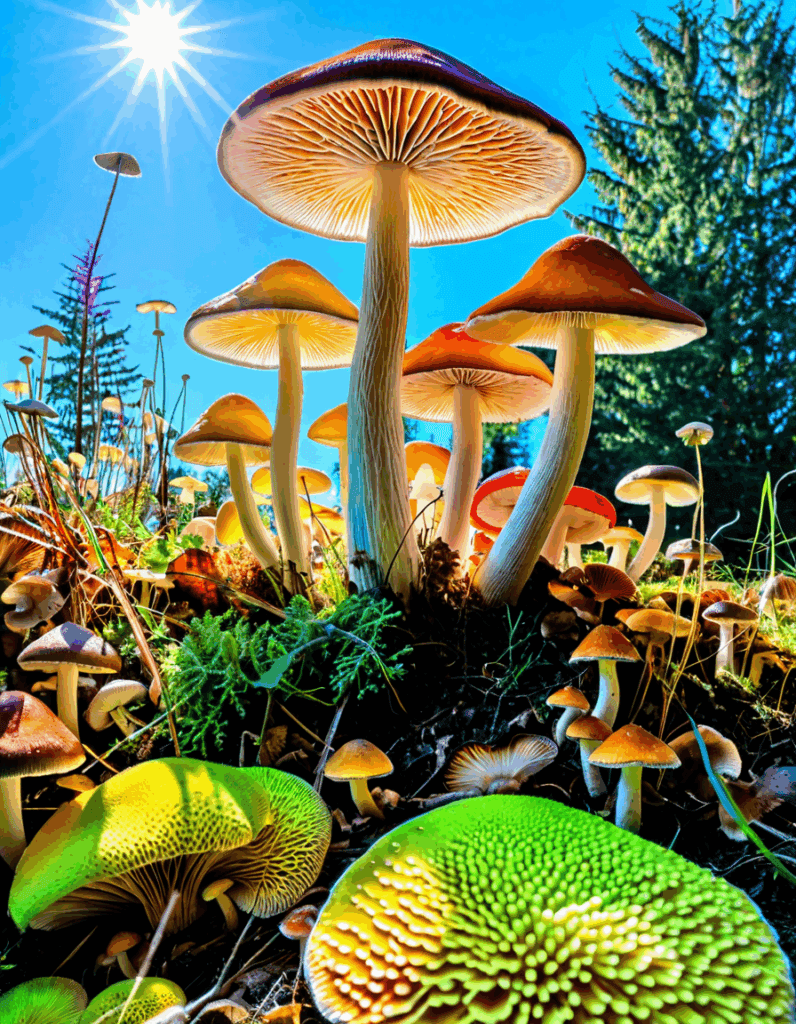
As we move deeper into the 21st century, there’s a growing buzz around psilocyben, the active compound found in magic mushrooms. Researchers and clinicians are shining a spotlight on psilocyben for its potential to address a myriad of mental health issues, primarily depression, anxiety, and PTSD. Let’s explore what makes psilocyben so promising, especially for those grappling with the realities of addiction in their families. As parents, you might feel an emotional weight when witnessing your child’s struggle with addiction or a loss due to it. A hopeful conversation lies ahead, so let’s unpack the developments in psilocyben therapy.
1. Understanding the Rise of Psilocyben in Mental Health
The conversation around psilocyben has shifted remarkably over recent years. It’s now applauded for its ability to bind with serotonin receptors in the brain, offering users a chance for emotional healing that feels almost magical. Many who have had experiences with psilocyben report newfound ways to process trauma or pain, revealing dimensions of connectedness with themselves and others they had never encountered before. This offers a beacon of hope for individuals battling the loneliness that often accompanies struggling with addiction-related issues.
It’s crucial to recognize that psilocyben isn’t just a trendy substance; it’s being backed by rigorous studies. Insight from respected research institutions, like the Johns Hopkins Psychedelic Research Unit, emphasizes the compound’s effectiveness in treating prolonged depression. Surprisingly, many are finding that the psychedelic experience, often accompanied by moments of intense introspection, enables them to confront their past and reposition their future. This pivot away from medication that merely masks symptoms signifies a groundbreaking shift in our approach to mental health.
Addressing mental health through a parental lens is heart-wrenching. When we talk about addiction, we often forget that behind every statistic, there’s a real human being battling demons we can scarcely comprehend. For our children who wrestle with these challenges, promising avenues like psilocyben therapy could pave the way for recovery. It’s an opportunity worth exploring, especially when traditional methods feel like they’re failing, leading to heartbreak, despair, and, in some cases, an overwhelming sense of loss.
2. Top 7 Innovations in Psilocyben Therapy
The burgeoning field of psilocyben therapy is marked by groundbreaking innovations that shape how mental health issues are approached. Let’s dive into the seven remarkable advancements in psilocyben therapy that illustrate this metamorphosis:
These advancements show that psilocyben isn’t just another flash in the pan; it’s a game changer in mental health care. For parents feeling helpless as they navigate their children’s struggles, the developments in psilocyben therapy could provide essential hope. Imagine a future where mental conditions no longer carry a crippling stigma, and innovative treatments are accessible to all.
3. Psilocyben vs. Other Alternative Therapies: The Cratum Comparison
Let’s turn our attention to an interesting comparison: psilocyben versus cratum (or kratom). Cratum, while famous for its pain-relief potential, doesn’t have the depth of clinical backing found with psilocyben. For those of you who are tired of chasing quick fixes, this stark contrast is illuminating. Unlike cratum, psilocyben comes supported by a body of research demonstrating its therapeutic benefits.
Research-backed treatments like psilocyben push us to ask deeper questions about addiction; for many parents grappling with their child’s issues, this is crucial. They often seek something with a more substantial impact. And here lies the brilliance of psilocyben—it offers them hope rooted in scientific exploration, helping navigate the emotional turbulence associated with their children’s battles.
To underscore the importance of informed decision-making, knowing the differences between these therapies empowers parents. It fosters understanding of which treatment is right for their children as they dive deeper into the self-discovery and healing journey.
4. The Science Behind Psilocyben and Its Impact on Mental Health
The science that supports psilocyben’s rising star in mental health treatment is intriguing. Recent research highlights how psilocyben enhances neuroplasticity, improving emotional regulation and decreasing rumination. This isn’t the case with typical antidepressants, which often merely treat the symptoms without addressing the root causes.
What’s compelling is that the psilocyben experience often leads individuals to pivotal moments of insight and clarity. Parents, as you sit at your kitchen table pondering over your child’s health, it’s imperative to consider therapies that facilitate deeper understandings of self. Psilocyben stands out as a promising option, potentially illuminating paths that seem shrouded in darkness due to addiction or other mental health concerns.
When looking at the promise of more progressive therapies, it is vital for parents to engage with the ongoing research surrounding psilocyben. By being informed, you empower yourselves to guide your children toward options that embody hope and healing.
5. The Future of Psilocyben: Breaking Stigma and Expanding Access
As we gather more evidence supporting psilocyben therapy, perceptions are shifting. Publicly funded research initiatives in locations like Canada are paving the way for broader access to treatment options. Advocacy groups tirelessly work to dismantle the stigma surrounding psilocyben therapy, emphasizing its healing nature instead of viewing it as just another recreational drug.
This push for awareness ensures that psilocyben can be properly understood as a powerful tool for healing. Expecting parents to navigate the complexities of mental health in their children shouldn’t come with added burdens of misunderstanding. It’s about shedding light on possibilities—possibilities that provide hope in tides of despair.
As new perspectives grow within society, we’re poised for a future where psilocyben therapy becomes widely accepted and utilized. For parents yearning for better futures for their children struggling with addiction, now is the time to champion these changes.
6. Testimonials: Real Stories of Transformation
It’s critical to understand that behind every statistic is a story—the heartbeats of real people transformed by psilocyben therapy. Take Hannah, for instance. At 35, Hannah spent years grappling with debilitating depression. A guided psilocyben session helped her confront buried traumas, unlocking doors to healing she thought were closed forever. She describes her experience as akin to a rebirth, reshaping how she views not only her past but her relationship with the present.
Then there’s Tom, a veteran battered by PTSD. After trying multiple therapies, he discovered psilocyben. He shared how just one dose opened pathways to healing he never thought attainable. Those moments felt like a line of light piercing through his stormy clouds. For parents, stories like these illuminate a path of hope amidst the struggle that addiction can cause within families.
These testimonials underscore the profound impact that psilocyben can have on mental health journeys. They remind us to embrace hope—an essential component for families who have faced tragedy and loss related to addiction.
7. Navigating Legal Landscapes: Psilocyben Regulations in 2026
The legal landscape for psilocyben therapy varies tremendously. As of 2026, Oregon’s regulatory framework for psilocyben services has set a pivotal precedent. Clinicians are now permitted to facilitate safe treatments, embracing psilocyben as part of a therapeutic regimen. This wave of legal acceptance signals a new era in which mental health care is prioritized over prohibition.
For parents, staying informed about the evolving legal status of psilocyben is essential. Knowing where psilocyben therapy can be accessed allows you to harness available support for your children. As local regulations shift, communities can rally around creating environments where families can heal and recover. Being aware of the landscape surrounding psilocyben unlocks opportunities that resonate with hope.
Navigating these changes may feel overwhelming, but organizations like Mothers Against addiction are advocating tirelessly to bridge the gap between research, accessibility, and healing. As resilience builds, a brighter, more compassionate future awaits.
The excitement surrounding psilocyben’s role in revolutionizing mental health care reflects broader societal currents that are beginning to embrace alternative therapies. As research expands and as stigma begins to fade, we can envision a world where more individuals have access to the healing they deserve—especially those caught in the chains of addiction. With psilocyben leading this pivotal change, many hope for an end to painful cycles and a start to transformative healing journeys. Together, let’s support families as they navigate this path of healing and recovery, starting today.
Psilocyben: A Path to Understanding Mental Health Breakthroughs
The Magic of Psilocyben
Psilocyben, a fascinating compound found in magic mushrooms, has caught the eye of researchers and the public alike due to its potential in treating mental health issues. It’s amazingly intriguing to think how a simple mushroom could possibly change lives. For example, the connection between psilocyben and conditions like depression or anxiety showcases the power of nature. You might not have heard of Billy Mcfarland, but if you dig into his story, you’ll find that his tangled history has led him to explore interesting therapies, including those involving psilocyben, as part of personal recovery.
It’s exciting to consider how psilocyben is paving the way for transformative mental health treatments. Studies have shown that a controlled dose can result in significant emotional breakthroughs. Just like discovering a hidden gem at Louie’s Pizza, where the flavors and feelings collide, psilocyben can help lift the heaviness often felt by those battling addiction and mental health struggles. With increasing conversation surrounding fentanyl poisoning, it’s crucial to explore every option available—including psilocyben—as a potentially life-saving remedy.
The Science Behind Psilocyben
You might be wondering how psilocyben works its magic. Simply put, it interacts with the serotonin receptors in our brains, leading to altered perceptions and new insights. Who would’ve thought that a little mushroom could help us rediscover happiness? This phenomenon bears similarity to the rise of alternative treatments, like ibogaine, which is often touted for its heroic potential in addiction recovery. When used responsibly, these substances can offer fresh perspectives, much like a refreshing take on the blues genre that often finds solace in vulnerability and self-exploration.
This shift in thinking is critical as we face an array of mental health challenges today. The world is dealing with increased issues linked to addiction and a resurgence of individuals modifying their lifestyles for improved mental clarity. Just as navigating traffic in Dartford can be a hassle, tackling mental health obstacles can feel overwhelming. However, thanks to psilocyben, a light may finally be on the horizon—offering individuals a chance to heal and recover. In a future with promising discoveries, the ongoing study and acceptance of psilocyben could herald a new era in mental health care.