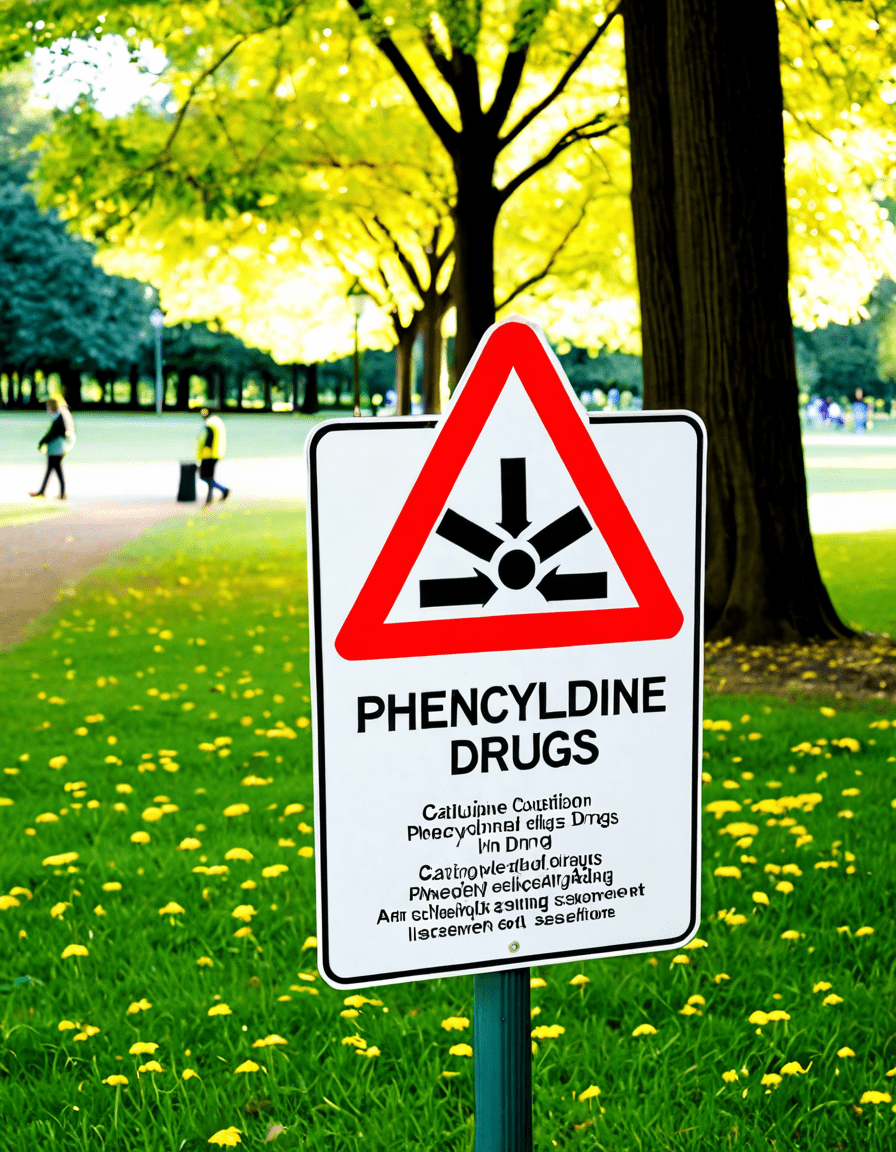

When we discuss phencyclidine drugs, or “angel dust” as it’s commonly known, we’re stepping into a world that can drastically change lives. Originally developed in the 1950s as an anesthetic, PCP has turned into a notorious substance recognized for its profound psychoactive effects and the perilous road to addiction it paves. As parents, it is crucial to understand the risks and resultant chaos that can stem from PCP use, especially when our children are involved. At Mothers Against Addiction, we’re here to support families navigating this tumultuous journey, helping them find hope amid despair.
Understanding the dangers associated with phencyclidine drugs is vital. These substances, which manipulate an individual’s perception of reality, can turn a person’s everyday life into a series of frightening encounters, marked by confusion, paranoia, and distress. It is well worth keeping these realities in mind as we deep dive into the most severe dangers related to these substances.

Top 5 Dangers of Phencyclidine Drugs and Their Effects
Phencyclidine drugs can create terrifying psychological effects. Users may experience hallucinations that warp their sense of reality. Often they feel detached from themselves, entering a state called depersonalization. Feeling trapped in these altered states can leave individuals disoriented and confused, leading to dangerous behaviors. This is a precarious scenario, with users often unaware of their surroundings, making accidents all too common.
It’s alarming to note that PCP is often linked to escalated aggression. Numerous studies, coupled with records from law enforcement, indicate that individuals under this drug’s influence may display extreme agitation and paranoia. Violence can erupt unexpectedly, creating a crisis not only for the user but also for those nearby. It’s like turning to a hidden corner only to find an unexpected storm approaching.
Another catastrophic impact of chronic phencyclidine drugs use includes long-term cognitive impairments. Researchers discovered that ongoing users can suffer from deficits in memory, attention, and overall brain function. Even when a person stops using PCP, these cognitive issues may linger, complicating their chances of holding down a job or maintaining relationships. It’s a heartbreaking reality that often extends beyond temporary use.
Polydrug use involving phencyclidine can intensify its dangers. For instance, taking PCP in conjunction with dextromethorphan, often found in common cough suppressants like Robitussin or NyQuil, can exaggerate dissociative effects. The combination could lead users to overwhelm their system unintentionally, increasing the risks of overdose and severe psychological crises.
Addiction is an insidious force present in those struggling with phencyclidine drugs. Users may feel a compulsive need to use the substance despite facing dire life consequences. Withdrawal symptoms can be especially troubling, with anxiety, depression, and crippling cravings receding into their daily lives, complicating recovery efforts. These challenges emphasize the importance of early recognition and intervention.
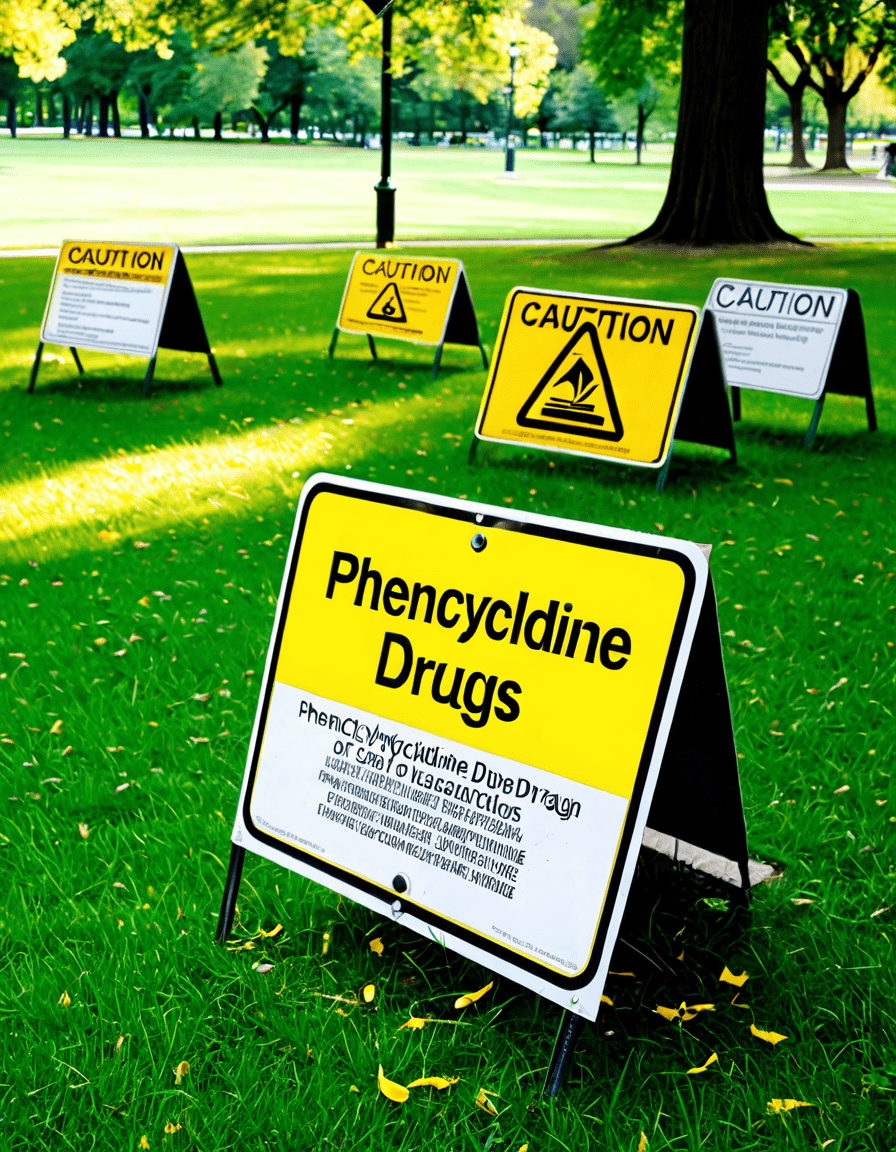
Dextromethorphan as a Drug: Less Known Yet Potentially Dangerous
You might have heard of dextromethorphan, or DXM, found in popular over-the-counter cough syrups. Many parents trust these products, believing them to be routine and harmless. However, misuse can lead to dire consequences similar to those tied to phencyclidine use.
Side Effects of Dextromethorphan: A Hidden Threat
Although marketed for safe usage, abusing DXM can lead to significant side effects. Individuals misusing the drug may experience dizziness, nausea, and confusion. At excessive doses, this substance can induce hallucinations and dissociative states, mirroring the effects of PCP. This overlap signals a growing concern regarding polydrug abuse among adolescents keen to experiment without understanding the inherent dangers.
Recognizing the Warning Signs of Phencyclidine Drugs Abuse
As parents, knowing the signs of addiction is essential for taking proactive steps to help our children. Watch for behavioral changes: social withdrawal, emotional turmoil, and cognitive struggles can all indicate drug abuse. You should also be aware of physical changes such as unusual movements or personal neglect.
Communication serves as our greatest ally in prevention. Encouraging open dialogue about drug risks dismisses the minuscule belief that “it won’t happen to my child.” Fostering supportive relationships is crucial; the more connected our children feel, the less likely they are to experiment with phencyclidine drugs or DXM.
The Community’s Role in Combatting Addiction
As addiction rates soar in our communities, the work done by organizations like Mothers Against Addiction becomes indispensable. Through outreach programs and educational workshops, we aim to inform and empower both parents and children about the dangers posed by substances like phencyclidine.
Peer support networks offer a crucial lifeline for families dealing with the aftermath of substance abuse. Creating a stronger sense of community enables open discussions that combat the stigmas surrounding addiction. To heal, we must confront these issues together, offering one another grace, understanding, and love during times of strife.
In our shared mission, we can shift the narrative around addiction. Awareness, education, compassion, and support are paramount to nurturing hope and healing for families affected by the tempest of addiction. Together, let’s create a world where our children can thrive, turning the tides of despair into promises of light.
If you find this article helpful, please share it with others who may benefit. Remember, open conversations save lives.
Phencyclidine Drugs: A Deeper Dive into Addiction
The Basics of Phencyclidine Drugs
Phencyclidine, commonly known as PCP, is a substance that originates from the 1950s. Originally developed as an anesthetic, it quickly gained a reputation for its dangerous and unpredictable effects. Imagine using a drug that can cause hallucinations, mood swings, and even violent behavior—it’s no wonder phencyclidine drugs have come to symbolize the darker side of substance abuse. In a bizarre twist of fate, these dangerous drugs can stir up intense experiences as seen in entertainment, like the “Spirit Stallion of the Cimarron” cast, whose stories captivate audiences while highlighting the struggles many face in real life.
Interestingly, while PCP has been associated with feelings of euphoria and detachment, its effects can lead to troubling consequences. For every exhilarating moment, there’s a risk of terrifying hallucinatory episodes. And speaking of haunting experiences, the emotional undertones found in songs like “Graves into Gardens” often resonate with those affected by addiction. It underscores the reality that beneath every struggle lies a profound story waiting to be told.
The Sad Outcomes of Abuse
The misuse of phencyclidine drugs can lead to severe physical and mental health problems, creating a distressing cycle for users and their loved ones. PCP is not the only dangerous drug out there; other substances, like oxycodone combined with acetaminophen, also carry significant risks, as explained on Mothers Against addiction. Understanding the potential dangers can help in prevention and education strategies that support families dealing with addiction.
In addition to alarming outcomes, the world we live in is filled with other drugs that present similar issues. Take fentanyl, for instance; many ask, What Does fentanyl smell like? and learning about its dangers is key to raising awareness. Those battling addiction often feel isolated, much like the feelings reflected in Yuuna And The Haunted hot springs. The struggles depicted in various media remind us of the importance of compassion and understanding in our communities.
Fighting the Stigma of Addiction
The stigma surrounding addiction can often deter those in need from seeking help. Phencyclidine drugs have long been associated with societal fears and misinterpretations, potentially leading to broader misconceptions about addiction itself. For instance, What Does K2 look like? Like PCP, K2 (synthetic cannabinoids) poses significant risks and is often misjudged. Initiatives aimed at combating misconceptions are essential to fostering healthier dialogues about addiction and recovery.
As we become more informed about addiction, it’s also crucial to recognize real-life stories and struggles. For instance, one might wonder about Halle Berry’s daughter and how public figures navigate family challenges that might parallel those faced by many. Bringing these stories to light can bridge gaps in understanding and encourage open conversations that can lead to support for those affected by addiction. With all of this knowledge, we can work together, reducing stigma and creating a supportive environment for families grappling with the impact of phencyclidine drugs and broader substance use issues.