

Fentanyl is perhaps one of the most dangerous substances out there, and many parents are searching for answers to the question: what does fentanyl smell like? Understanding the characteristics of this synthetic opioid is crucial, not only for parents of children struggling with addiction but also for society as a whole. This little-known substance has seen a sharp rise in its prevalence in recent years, and knowledge is one of our strongest weapons in combating this tragic crisis. At Mothers Against Addiction, we’re dedicated to empowering families affected by addiction by providing crucial insights about these hidden dangers.

1. Understanding Fentanyl: An Overview
Fentanyl is a powerful synthetic opioid similar to morphine but 50 to 100 times more potent. It was originally developed for relieving severe pain, especially in cancer patients and those undergoing surgery. Unfortunately, its medical use has given way to illicit manufacturing, leading to a troubling surge of fentanyl-related overdoses. The Centers for Disease Control and Prevention reports that in 2021 alone, over 70,000 deaths were linked to synthetic opioids including fentanyl, a staggering realization for any parent.
What sets fentanyl apart from other opioids, like oxycodone, lies in its potency and the speed with which it can cause an overdose. Just a tiny amount, even a mere microgram, can be fatal. This distinct danger makes it vital for parents and caregivers to stay informed about fentanyl and its effects. To learn more about this opioid crisis, families can find resources at Mothers Against addiction.
2. What Does Fentanyl Smell Like?: The Science Behind the Scent
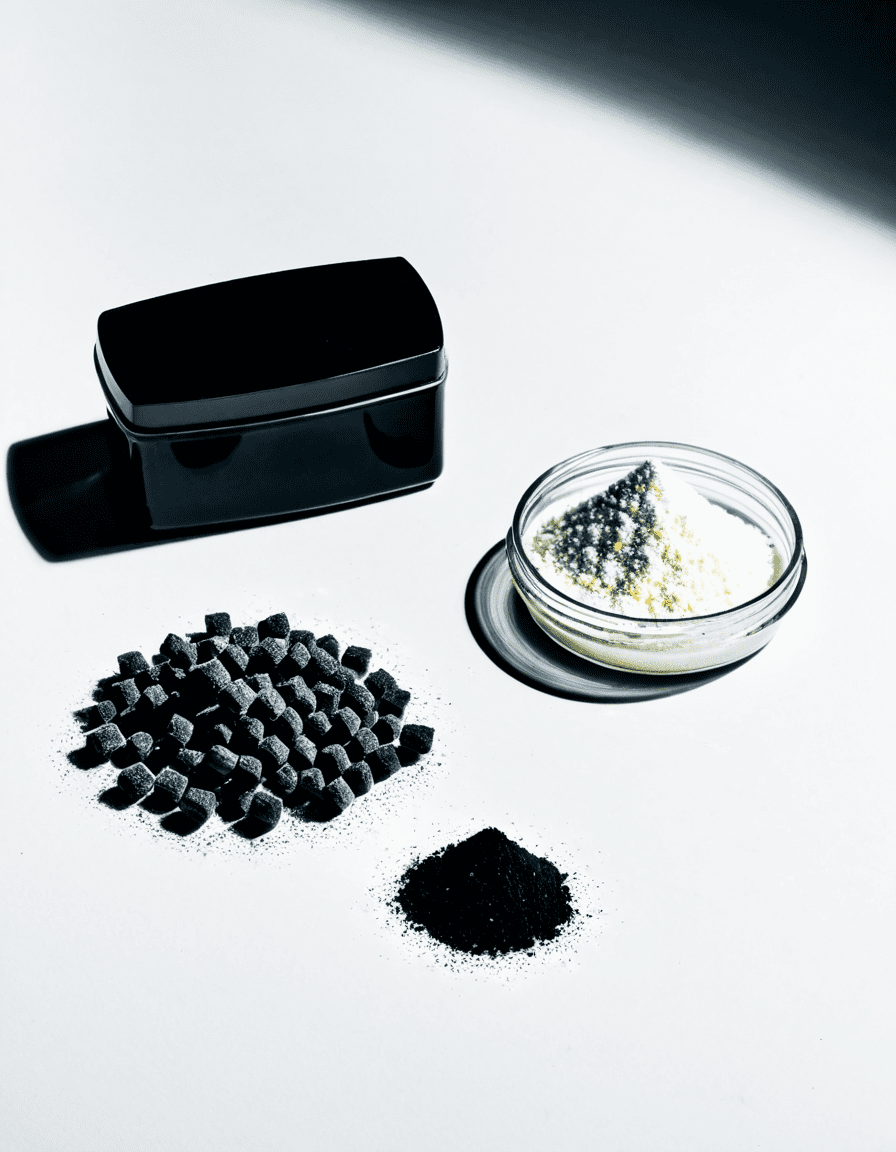
Here’s where things get complicated. What does fentanyl smell like? The truth is, fentanyl doesn’t possess a distinct smell like some other substances. It’s a white, odorless powder that can be combined with other drugs, making it tough to detect without sophisticated testing equipment. Many synthetic opioids don’t emit a recognizable scent, unlike natural substances derived from plants.
When comparing fentanyl with natural opioids, the stark contrast in their scent profiles is evident. Natural opioids, such as those derived from the opium poppy, may have earthy, distinct odors that could lead someone to recognize their presence. But since fentanyl is manufactured in labs, its lack of a strong smell means it can easily go unnoticed—often until it’s too late. This absence of scent significantly complicates the fight against addiction.
3. Real-Life Instances: What People Reported Fentanyl Smelling Like
When it comes to understanding what fentanyl smells like, anecdotal evidence can offer insights. Law enforcement and drug experts describe fentanyl as often having no smell at all. However, they note that when mixed with other substances—such as heroin or meth—it might carry the scent of those drugs, making it even harder to identify.
Parents who have tragically lost children to fentanyl overdoses offer heart-wrenching testimonials. Many of them were completely unaware that fentanyl had been laced in drugs like cocaine or prescription painkillers that their children used. These firsthand accounts highlight the importance of awareness in both communities and families. Stories from families can be found across various forums and support groups, amplifying the urgent call for education about these risks.
4. Detection in Homes and Public Spaces: A Hidden Risk
Fentanyl’s presence can easily slip under the radar in everyday environments. From public parks to private homes, this potent substance can lie in wait, unknowingly putting others at risk. Some families have discovered fentanyl when finding unfamiliar pills or powders in their homes, often initially mistaking them for legal substances.
Consider the case of a parent discovering a small bag of white powder that their child had left behind. It could resemble ordinary flour or sugar, yet it might contain life-threatening fentanyl. The ability to detect it is incredibly limited without professional help. Communities must come together to teach one another about recognizing the signs of fentanyl, including understanding the dangers of mixing drugs. Resources about What Does K2 look like or other synthetic drugs can be valuable for parents and guardians.
5. Why Identifying the Smell of Fentanyl Matters
Recognizing fentanyl and understanding its many dangers is crucial in overdose prevention. When parents and educators know the signs of fentanyl and how to recognize them—even if it doesn’t have a smell—they become empowered to safeguard their families and children. Awareness can save lives by enabling proactive measures, creating dialogues around substance use, and fostering open lines of communication among families.
Addiction specialists emphasize that being vigilant about fentanyl can transform attitudes toward drug use and appreciation for essential support programs. Understanding that even casual experimenting can lead to devastating outcomes encourages families to prioritize discussions about the opioid crisis and its impact. Our commitment to raising awareness at Mothers Against addiction helps families focus on these necessary conversations.
6. What To Do If You Suspect Exposure
If you suspect that someone may have come into contact with fentanyl, it’s essential to act quickly. Here’s a step-by-step guide to handling such a situation:
First responders recommend remaining calm and following safety protocols to minimize the risk of exposure. Training programs for parents and community members should be established to help identify the signs of an overdose and know how to react effectively. Being prepared can make all the difference in saving a life.
7. Future Developments in Fentanyl Detection
As we look toward the future, researchers are exploring innovative detection methods for fentanyl. Emerging technologies are being developed to help identify fentanyl-laced substances more quickly and accurately. In addition to law enforcement efforts, home testing kits may soon become available, empowering families to take control of their surroundings.
These advancements point to a future where addiction awareness and prevention are enhanced in communities. Increased access to information about the dangers of fentanyl can lead to an environment that is better equipped to handle this crisis. By keeping an eye on research developments and how they translate into tangible resources, we can cultivate a more informed and proactive society.
Raising awareness about what does fentanyl smell like may seem like a small part of a much bigger issue, but it’s an essential piece in the fight against addiction. As we navigate this journey together, let’s foster a compassionate society that supports those affected by addiction. We at Mothers Against Addiction are committed to spreading knowledge and hope, with the understanding that each piece of information can empower a family to protect their loved ones from the horrors of fentanyl. Together, we can make a difference.
What Does Fentanyl Smell Like
Understanding the scent of fentanyl can play a crucial role in recognizing the dangers associated with this potent opioid. Surprisingly, fentanyl isn’t known for a strong or distinct odor, which makes it challenging to detect. Unlike some other substances, such as oxycodone with Tylenol—which has its own identifiable scent—fentanyl can often go unnoticed until it’s too late. This underscores the importance of awareness and education, particularly for those affected by addiction, like parents trying to protect their children.
The Subtlety of Scent
So, what does fentanyl smell like? Users often report that pure fentanyl may have little to no smell when compared to other opioids, making it stealthy and harder to identify. This lack of scent can make it easier for fentanyl to mix with other drugs, catching unsuspecting individuals off guard. For instance, illicit drugs like those that involve shady characters like Efraim Diveroli often have unknown additives, making it even more challenging to discern their contents. Understanding this subtlety can be life-saving, especially in communities facing high rates of addiction.
Recognizing Risks
Interestingly, the danger of fentanyl isn’t just its odor—or lack thereof—it’s how easily it can be disguised. Sometimes, it’s mixed into products that have no detectable scent, leading people to mistakenly assume they’re using a less potent substance. This is particularly common in counterfeit pills. Much like figuring out at what age a man stops ejaculating, where natural changes happen over time, fentanyl’s evolution in the drug market poses evolving risks. The subtle blend of fentanyl with other illicit substances makes awareness absolutely critical for families facing these challenges.
The Bottom Line
In a world filled with hidden dangers, recognizing what fentanyl smells like—or rather, that it might not smell like anything at all—is vital. Just as a golden bowl symbolizes hidden treasures, understanding the risks of fentanyl helps parents fortify their defenses against this evolving crisis. For those in the fight against addiction, knowledge is your best ally. Keeping informed not only empowers you but can also protect your loved ones from falling victim to this insidious threat.