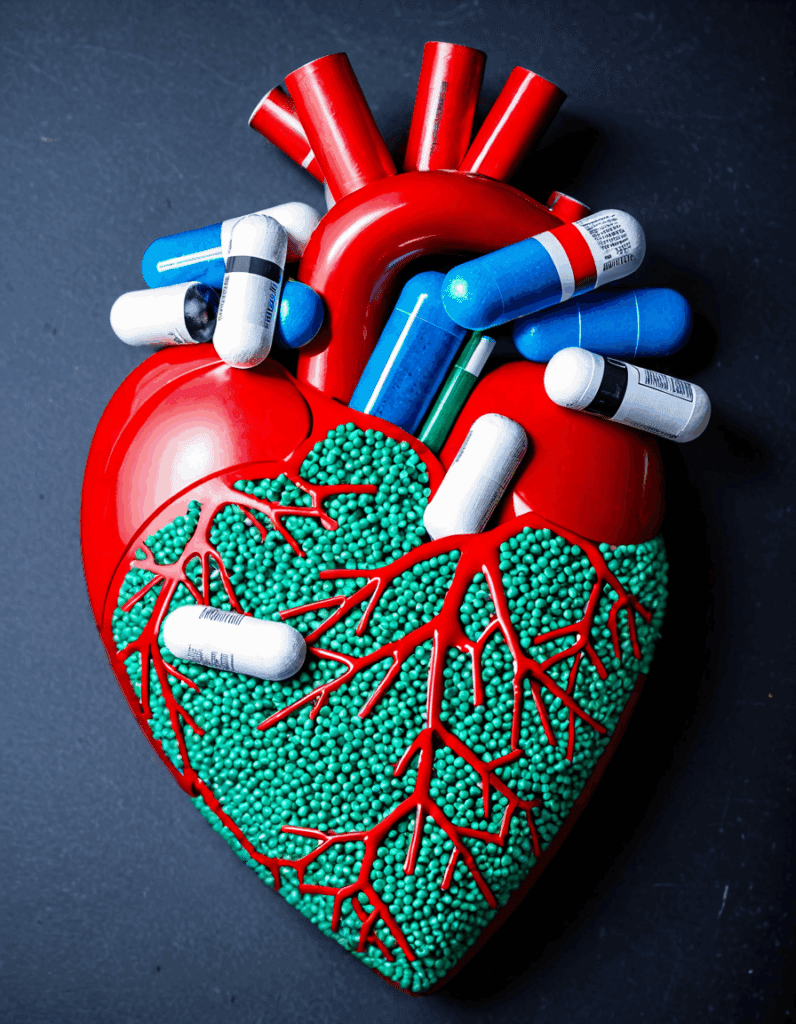
Understanding drugs and abuse is vital in today’s society as they affect individuals and families profoundly. The ripple of impact from drug misuse is far-reaching, often touching every corner of the community. People often think it’s just the users who pay the price, but the truth is, the consequences of addiction reach beyond the user—it extends to parents, siblings, friends, and society as a whole.
Parents and families need to comprehend the severity of substance use disorders to provide support to their children. At Mothers Against Addiction, we strive to equip families with the knowledge and resources necessary to navigate the turbulent waters of addiction. It’s tough, relentless, and at times, heartbreaking, but we stand with you, and together we will navigate these challenges. So, let’s dive into seven significant consequences of drugs and abuse.
Top 7 Consequences of Drugs and Abuse on Individuals and Society
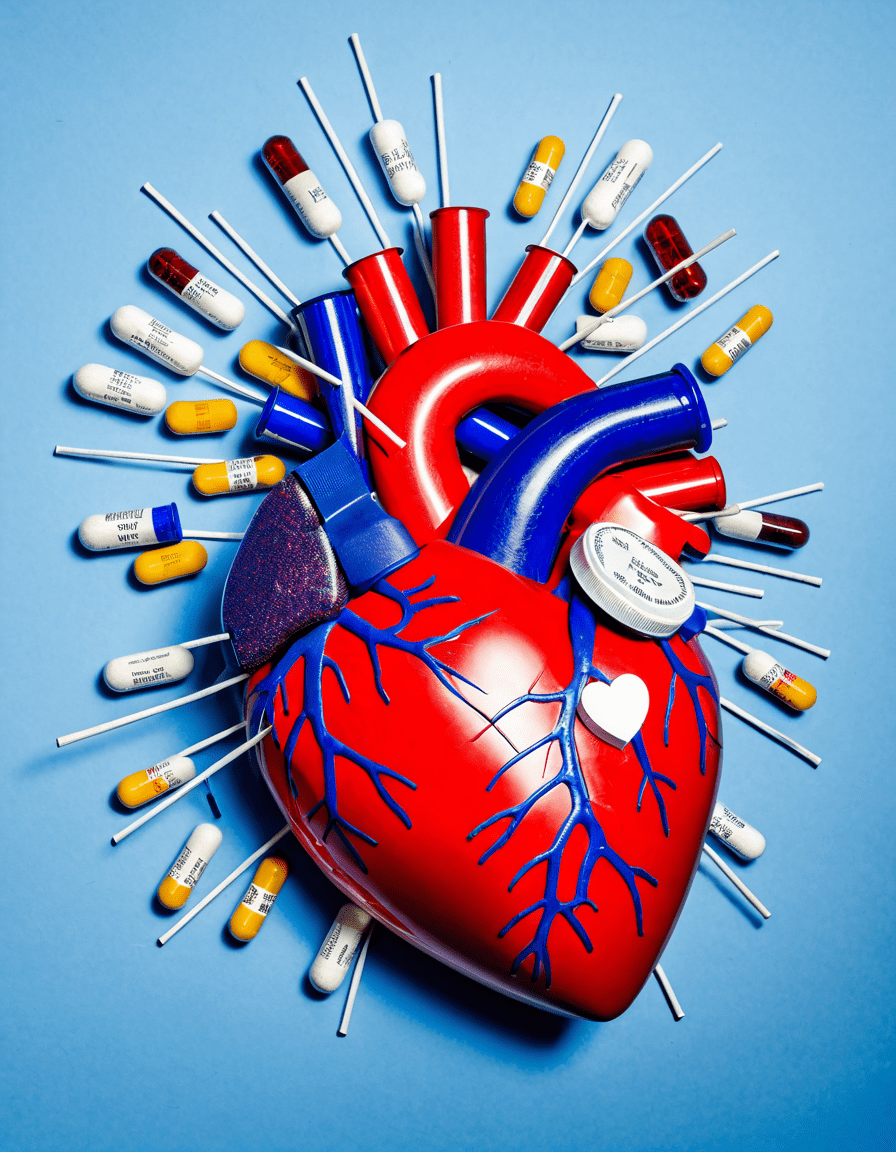
Drug misuse poses immense dangers to physical health. The use of opioids and stimulants can lead to life-threatening conditions and create a breeding ground for infectious diseases. A report published in 2024 showed a staggering increase in Hepatitis C and HIV among those who inject drugs. The implications of these health risks ripple outward, affecting families, healthcare systems, and community wellness.
The intersection between mental health and drug misuse is alarming. Substance use disorders often coincide with mental health issues, making recovery all the more challenging. A study in 2025 revealed that about 60% of those with a substance use disorder grapple with another mental health condition. Those struggling with drugs and abuse need integrated treatment approaches to tackle both mental health and addiction issues due to this complicated synergy.
The impact of addiction reverberates through families. Evidence shows that children of addicted parents face emotional turmoil and behavioral challenges. According to the National Institute on Drug Abuse, these children are three to four times more likely to develop substance use disorders in life. The cycle of addiction threatens to bind families in a painful web of continuous struggle.
The economic toll of drug misuse is astronomical. The CDC estimates that prescription opioid misuse alone costs the U.S. around $78.5 billion annually, factoring in healthcare expenses, lost productivity, and the costs associated with criminal activity. Communities experiencing high rates of drug use can become economically strained, impacting schools, public services, and even local businesses. Supporting families through this can help reduce the burden on society.
The link between drugs and crime is substantial. Drug-related offenses contribute significantly to higher crime rates and violence in many communities. The FBI’s data highlights the relationship between the availability of methamphetamines and increased violent crimes, including assaults and homicides. This cycle of crime creates an unsafe environment for all and further complicates the battle against drug abuse.
Education and drug abuse are intricately tied. Students who struggle with substance use are much more likely to drop out of school. Data from the National Center for Education Statistics reflects that 35% of high school students who reported binge drinking considered quitting school early. This threatens their future, and ultimately, society as a whole, by limiting the opportunities available to today’s youth.
The loss of life due to overdoses is the most heartbreaking consequence of drug misuse. The opioid crisis has claimed over 600,000 lives in recent years. The story of a mother from Pennsylvania, who lost her 23-year-old son to a fentanyl overdose, illustrates the devastating personal losses families face daily. Each life lost is a narrative cut short, leaving a legacy of grief and unanswered questions.

Pathways for Recovery: Understanding Substance Use Disorder Treatment
Addressing the consequences of drugs and abuse requires a collective and multifaceted effort. Substance use disorder treatment has advanced, becoming more integrated and supportive. Here’s a breakdown of some effective treatments available today:
Combining medications like buprenorphine and methadone with counseling creates a holistic approach for treating opioid addiction. MAT has significantly reduced overdose rates, helping many reclaim their lives. This treatment underscores its effectiveness in managing withdrawal symptoms and cravings, paving the way for recovery.
CBT has become a cornerstone in addiction treatment. It helps individuals identify and change their thought patterns leading to substance abuse. By understanding triggers and developing coping strategies, people find themselves better equipped to resist the allure of drugs and abuse, significantly decreasing their chances of relapse.
Peer support is essential in recovery. Groups like Alcoholics Anonymous (AA) and Narcotics Anonymous (NA) provide networks that foster lasting recovery. These programs cultivate a community where individuals can share their journey and gain strength from collective experiences.
The digital age has brought technology to recovery, with apps like Sober Grid and rTribe offering peer support and accountability. This integration of tech heralds a new era, making recovery support accessible and relevant even to the tech-savvy youth. It showcases the evolving landscape of substance use & abuse treatment.
Involving families in the treatment process is crucial. Cooperative programs that focus on family dynamics help lighten emotional burdens on all involved. By equipping families with understanding and tools, they become an integral part of the recovery journey, rather than simply observers.
Prevention is always better than a cure. Educational programs highlighting the dangers of drug misuse are essential in schools. Initiatives like “Too Good for Drugs” aim to reduce substance use while enhancing psychosocial skills. By fostering awareness early on, we combat the roots of addiction before they take hold.
Advocating for better access to treatment and rehabilitation can significantly improve recovery outcomes. Supporting policies that provide adequate funding for local rehab centers creates sustainable treatment pathways. Such advocacy efforts ensure that help is available to those who need it.
Understanding the consequences of drugs and abuse reveals a wide array of challenges, affecting not just individuals, but families and entire communities. The statistics may be overwhelming, but through education, support, and empathy, families can find strength. At Mothers Against Addiction, we aim to foster a sense of community and resilience for those on this journey. Together, let’s embrace compassion and pave the way for a hopeful future—because recovery, while tough, is possible.
Drugs and Abuse: Harmful Consequences Impacting Lives
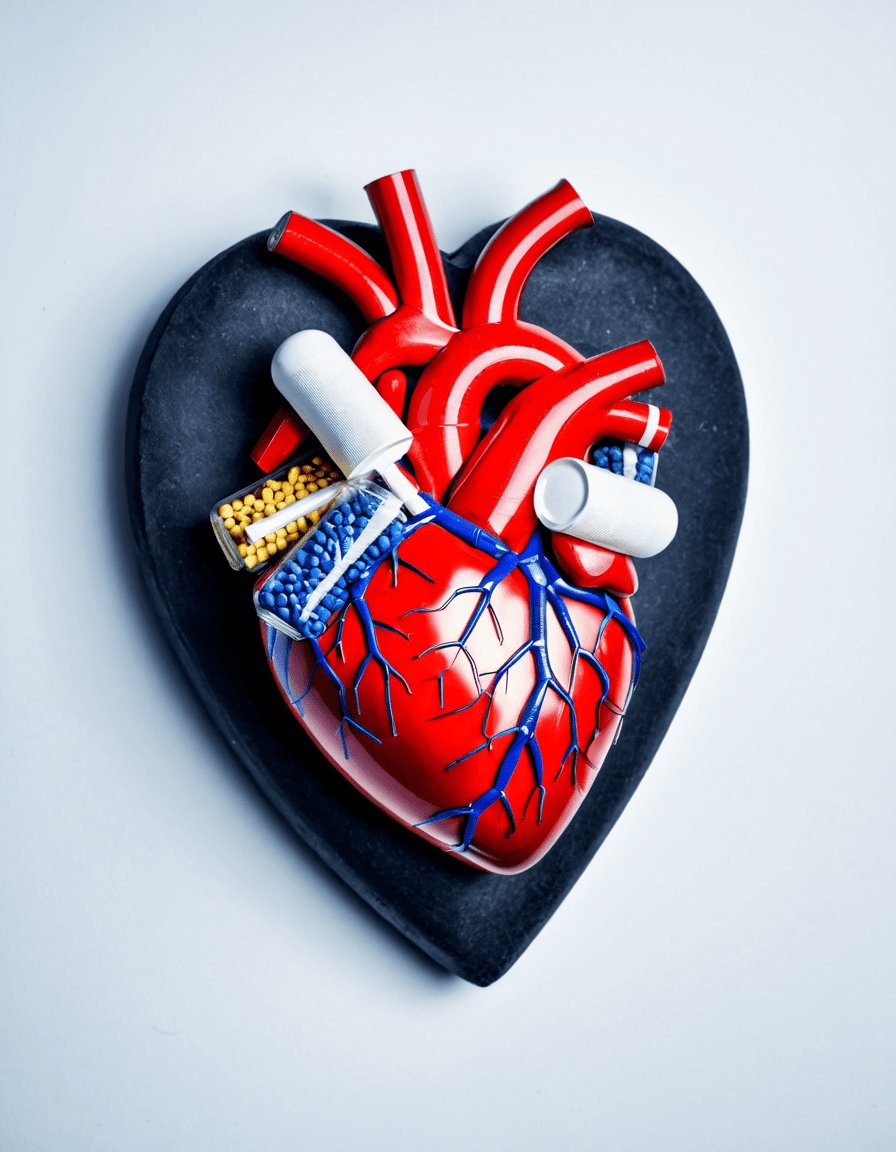
The Ripple Effects of Addiction
Did you know that drugs and abuse can have a ripple effect not just on the individuals directly involved, but also on families and communities? It’s a sad truth that addiction can strain relationships, create financial hardships, and lead to devastating consequences in one’s social life. This is where understanding the nature of What Does Condoning mean is essential, as many parents struggle with how to respond to their children’s actions while balancing love and accountability.
Interestingly, the abuse of substances like LSD (often referred to as Lsds) isn’t just a modern phenomenon. For years, hallucinogens have captured people’s curiosity, leading them down paths they may not have intended to take. And speaking of impactful figures, did you know that successful characters like Louis Litt from “Suits” embody traits that stand in stark contrast to those who might succumb to the pitfalls of drug use? His journey highlights how personal development can steer clear of life’s addictive detours.
Understanding Substance Abuse
Substance abuse isn’t just a personal battle; it’s a widespread issue affecting many who feel they have nowhere to turn. Thousands of families grapple with the reality of Drugs And substance abuse, trying to make sense of their experiences. It’s crucial to provide support and guidance, as people affected are often in search of understanding and help. For instance, those curious about specific drugs might ask,Is acid lsd?—an excellent question that underscores the importance of educating ourselves about these substances.
Moreover, addiction can lead individuals to explore unconventional lifestyles and even fandoms, including popular Animes, which sometimes glamorize drug use or poor decision-making. This emphasizes the need for strategy and support in educating younger generations about the consequences. Just ask the North Dakota governor, who has been spearheading community initiatives to combat these challenges head-on—showcasing that proactive measures can pave the way for change.
The Beauty in Recovery
Despite the tough reality of drugs and abuse, there’s a beautiful definition of hope that lies in recovery. It’s vital to remind ourselves and those around us that healing is possible. Many who’ve faced addiction come back stronger, sharing their stories to inspire others. The road to recovery isn’t always clear, but it can lead to newfound purpose and resilience that brightens even the darkest paths. With support, compassion, and understanding, families can find strength in each other, nurturing their collective journey toward healing.