

## Opioids: Impact on Lives and Families in America
The opioid crisis has wreaked havoc on families across America. These powerful substances, often mistakenly thought of as simple pain relievers, have drawn millions into a dark world of addiction. Parents find themselves wrestling with emotions as they watch their children spiral downwards, while siblings and extended family members often feel the strain of addiction ripple through their lives, creating a cycle of distress that echoes through households. Opioids not only affect the individual but create a cascade of hardships for loved ones who must cope with the fallout.
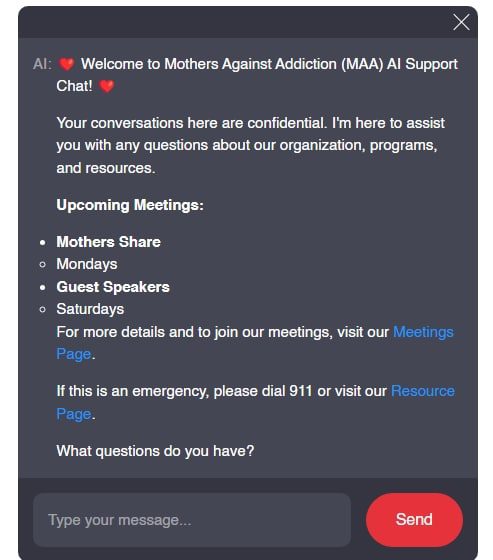
In the heartbreaking stories of families impacted by opioid addiction, we see the emotional toll manifest in various forms—from anxiety and depression to feelings of guilt and shame. For instance, Sarah from Oregon shared her journey on the community forum at Mothers Against Addiction, revealing how her relationship with her son deteriorated as they faced the chaos caused by his opioid dependency. Such experiences, while deeply personal, mirror those of countless families, underlining the devastating truth that addiction alters not just the lives of addicts but alters family dynamics forever.
Sadly, this burden of addiction often pushes families into isolation. Many feel ashamed or embarrassed, holding their struggles behind closed doors. This is where organizations like Mothers Against Addiction step in, providing a lifeline. Our community is filled with parents who truly understand. We guide families through their darkest hours, promoting hope and highlighting that they are not alone in this battle. As we delve deeper into the impact of opioids, we’ll uncover the myriad ways these drugs reshape lives and family structures.

Top 7 Ways Opioids Reshape Lives and Families
The struggle with opioid addiction can create significant divides within families. Parents often suffer heartbreak as they become distanced from their children. The Davis family from Ohio shared their struggles in a support group, where they expressed how their son’s addiction to prescription opioids led to deteriorating emotional connections. This sense of separation can feel like a grieving process, as families mourn the loss of a loved one who is still physically present yet emotionally absent.
Millions of families face financial ruin due to addiction-related costs. Treatment can drain resources, costing anywhere from $5,000 to over $60,000. The Gonzalez family from Texas found themselves grappling with financial difficulties when their father lost his job after an opioid-related incident. Lost wages, legal fees, and medical expenses quickly pile up, leading many families into a precarious living situation that feels insurmountable.
Research shows that the presence of drug use, including opioids, correlates with an increased incidence of domestic violence. The emotional turmoil addiction brings to the family can amplify tensions, leading to volatile situations. A report from the National Institute on Drug Abuse indicated that families carrying the burden of addiction are three times more likely to experience such incidents. This not only affects those involved but sends shockwaves through the entire family unit.
Families often become enablers without even realizing it, prolonging the cycle of addiction. Loved ones might provide emotional and financial support, unintentionally allowing an addict to escape accountability. The Williams family learned this the hard way when their desire to rescue their daughter from addiction only worsened her dependence on opioids. Understanding this enabler role was the first step toward breaking free from the toxic cycle.
The effects of opioid addiction extend into the next generation. Children of opioid addicts often face emotional and behavioral challenges, leading to issues such as neglect and increased risk of entering foster care. A report by the American Academy of Pediatrics highlights that children like young Ethan, whose mother struggled with opioid addiction, suffer significantly as they navigate life without necessary support and stability. These issues can lead to a cycle that perpetuates addiction and instability.
Families grappling with addiction frequently face stigma, which drives feelings of isolation. Critics often pass judgment, creating barriers that prevent families from seeking help. The Thompson family in California experienced this firsthand, hesitating to talk openly about their son’s struggles for fear of being ostracized. This stigma can be suffocating, pushing families further away from the resources and networks they desperately need.
On a brighter note, many families find hope through recovery initiatives. Programs like Recovery Connect in Florida empower loved ones of addicts to rebuild relationships and find solace. Connecting with peers who share similar experiences reconfirms the idea that nobody has to face this battle alone. Such support systems foster understanding, compassion, and motivation, offering a way forward and demonstrating the power of collective healing.
A Path Forward: Navigating the Storm of Opioid Addiction
The impacts of opioids on American families are profound, affecting emotional, social, and financial realms. Nevertheless, amid this turmoil, there’s hope and resilience. As we unite as a collective, we can create supportive environments that foster healing. Families are now banding together to advocate for change in their communities, serving as a source of strength for others facing similar challenges.
Overcoming the storm of addiction requires a community effort, emphasizing the importance of talk, support, and understanding. Organizations like Mothers Against Addiction are here for you, reinforcing the message that recovery is possible, and no one needs to walk this path alone. By addressing systemic issues related to addiction and promoting healing, we can pave the way toward brighter futures for individuals and families alike.
Creating pathways toward healing and supporting one another during these challenging times is crucial. Together, we can amplify the voices of families affected by opioids, push for comprehensive solutions, and encourage recovery. If you’re ready to join us, visit Mothers Against Addiction and become part of a community dedicated to overcoming the impacts of opioid addiction. Through collective action and unwavering support, we can help one another emerge from the shadows of addiction, turning our trials into triumphs.
The Impact of opoids on Lives and Families in America
Sizing Up the opoids Epidemic
Did you know that the opoids crisis in America has roots that go back decades? In fact, the use of these substances surged in the late 1990s as pharmaceutical companies touted them as safe options for pain relief. Sadly, this has led to a significant number of families facing the heartache brought on by addiction. The increase of opoids usage has parallels with other substances—like marijuana , which some might associate with the so-called marijuana high that many youth chase after. It’s a shocking comparison given that one can lead to devastating consequences while the other is often viewed through a different lens.
opoids and Their Ripple Effects
The consequences of opoids extend beyond just the individual; they ripple through families and communities like a pebble dropped in water. Instances of children losing parents to addiction or the effects of living with someone struggling with substance use paint a bleak picture. Interestingly, studies show that children raised in homes affected by addiction often face their own set of challenges which can include emotional trauma and behavioral issues. In a similar context, take Mariuana; its use among teens has raised concerns about its own long-term effects on mental health—another issue that compounds the struggle many families face.
Surprising Connections
As we sift through the statistics, one might also ponder on the commercialization of addiction-related goods. For example, Jack Black lip balm has gained a considerable following. It might seem trivial, but its popularity can be linked back to the culture surrounding self-care, particularly within communities touched by addiction. To make matters even more intricate, people often resort to alternative heating methods during tough winters, such as an indoor propane heater. It’s a stark reminder; even ordinary choices are influenced by the broader societal issues, including the availability and impacts of opoids.
Understanding the vast web of connections within the opoids crisis helps underscore the importance of outreach and education. Families can find ways to combat the effects of addiction through supportive networks. So, let’s engage with these facts and trivia point to shine a light on the realities that families across America are bravely facing in this ongoing fight.