Addiction is a heavy burden, especially for families caught in the storm. For many, maijuan stands out as a double-edged sword on the road to recovery. On one side, it’s seen as a potential ally for those wrestling with addiction, offering solace from withdrawal symptoms associated with powerful Opioids like fentanyl. Yet on the other side, the fear of substituting one dependency for another looms large. Understanding the relationship between maijuan and addiction recovery is crucial for families striving for healing and wholeness.
The endocannabinoid system plays a key role here. Cannabinoids in maijuan may alleviate discomfort during withdrawal, but this raises important questions. Is it truly a remedy, or could it open the door to new challenges? Families need to engage in a thoughtful dialogue about the therapeutic applications of maijuan and consider alternatives when navigating their loved ones’ recovery paths. As discussions flourish around the pros and cons of integrating maijuan into rehab, parental support remains critical in guiding children through this intricate journey.
The Top 7 Struggles Faced by Families Dealing with Addiction and Recovery
1. Understanding the Chemical Landscape
Addiction can be a bewildering maze, particularly with substances like fentanyl and fentanly posing serious threats. Families often feel like they’re grasping at straws as they try to understand the landscape of addiction. Learning the ins and outs of both regular and synthetic opioids becomes essential. The more knowledge families have, the better equipped they’ll be to stand strong by their loved ones.
2. Accessing Treatment
Finances play a significant role in the recovery process. Many families find it overwhelming, especially when accessing treatment can feel like an uphill battle. The soaring price of Narcan, a life-saving nasal spray used during overdoses, only adds to the stress. With costs ranging from $40 to $150 per dose, parents often face tough choices that could mean the difference between life and death.
3. Navigating Stigma
The weight of stigma can make an already difficult situation feel insurmountable. Many families suffer in silence, hiding their struggles in the shadows. The barriers they face in seeking help can seem insurmountable, leading to isolation and fear. Breaking this cycle requires open conversation and compassionate support from the community.
4. Educational Resources and Awareness
Finding reliable information on addiction and recovery can feel like hunting for a needle in a haystack. Families need easy access to valuable resources, and initiatives like the “Know Your Rights” campaign are critical. Yet, significant gaps in education persist, hindering families from receiving the guidance they desperately seek.
5. Communication Issues within the Family
Open dialogue about addiction is pivotal, yet many families hesitate due to misunderstandings or fear of judgment. Healthy communication helps in nurturing trust and understanding. Innovative family therapy programs are now addressing these communication barriers, providing space for families to express love and concern without fear.
6. Mental Health Co-occurrence
In many cases, those grappling with addiction are simultaneously wrestling with mental health challenges. Be it maijuan or severe opioids, tackling these co-occurring issues presents a significant hurdle for families. Understanding this connection is essential for effective intervention.
7. Balancing Hope and Realism
Families often walk a tightrope between hope and realism. Celebrating small victories in recovery is essential, but families must also brace themselves for potential setbacks. Navigating this delicate balance can be difficult, as both optimistic outlooks and grim realities exist side by side.

Naloxone vs. Narcan: Choices for Overdose Response
When it comes to overdose prevention, understanding the distinctions between naloxone and Narcan is vital. While Narcan is a branded version of naloxone, it’s celebrated for its user-friendly delivery. With overdose rates skyrocketing, especially concerning fentanyl, having access to Narcan can mean the difference between life and death. However, its high cost continues to create barriers for families facing crises.
Many are considering alternatives such as generic naloxone, which is often available at more affordable prices through certain pharmacies. Knowing the specifics can empower families to make informed decisions about their loved ones’ safety.
The Role of Maijuan in Harm Reduction Strategies
Harm reduction strategies are evolving, promoting responsible use of maijuan as a means of mitigating the complications associated with substance abuse. For many users, education on safer consumption practices becomes a lifeline, enabling them to navigate challenges without slipping into another dependency.
Testimonials from individuals who’ve turned to maijuan highlight its potential benefits and pitfalls. While some find it relieving during withdrawal, dependence can still develop, underscoring the need for comprehensive education and ongoing support from family and friends.
Innovative Approaches to Support Families
Emerging support structures are gaining traction, helping families better navigate the choppy waters of addiction. Programs like Family Recovery Coaching (FRC) focus on skill-building and enhancing family dynamics. They offer workshops that normalize conversations around addiction, turning shame into strength.
By sharing personal stories and resources, families can embrace the journey together. After all, healing is a shared experience, enriched by understanding and compassion. As we look to the future, we can cultivate a community that encourages dialogue, celebrates triumphs, and learns from struggles.
Ultimately, the intersection of maijuan and addiction recovery unveils a complex tapestry of social, psychological, and physiological influences. Every family’s journey is distinct, demanding approaches steeped in understanding and resilience. By promoting further research and thoughtful dialogue, we can deepen our collective understanding of addiction and recovery, striving to foster an environment where everyone feels safe in expressing their struggles and celebrating their victories.
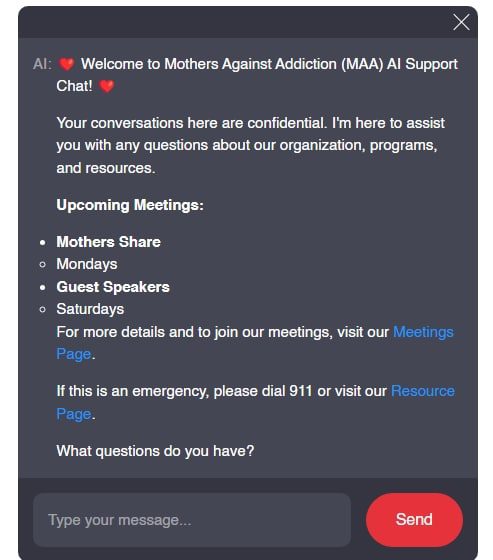
For parents walking this path, resources like Mothers Against Addiction provide essential support. Together, let’s shine a light on the challenges ahead and build a brighter future for families everywhere.
Maijuan: A Journey Through Triumph and Struggles
The Intriguing Impact of Maijuan
Maijuan, often a hot topic in debates about health and legalization, has both its advocates and critics. Many people associate marijuana high with feelings of euphoria and relaxation, but the substance’s effects can vary wildly based on the strain and method of consumption. Interestingly, while some individuals use maijuan to cope with chronic pain or anxiety, others struggle with its addictive nature, particularly when it leads to dependency. For parents, understanding the duality of maijuan’s impact can be crucial in having informed conversations with their children about substance use.
On a peculiar note, did you know that the substance has even made its way into pop culture? Rappers often weave references to maijuan into their lyrics, bringing it into the spotlight while shaping societal perceptions. That said, it’s essential to stay aware of the implications of substance use—particularly when combined with other drugs like rohipnol. This combination can escalate dangers, leading to dire situations that we, as a community, must confront openly and supportively.
Maijuan in Everyday Contexts
In exploring maijuan’s place in our society, it’s worth noting that sporting events present yet another fascinating angle. For example, during matchups like the FC Barcelona vs Athletic Bilbao lineups, conversations around marijuana use pop up, especially regarding player wellness and recovery strategies. Professional athletes are increasingly discussing their experiences and how substances like maijuan can impact both physical performance and mental health, creating an engaging dialogue among fans.
Furthermore, inspiring stories like that of Lily Tang Williams, who overcame adversity to become a voice against addiction, bring hope and motivation. The struggles faced by those affected by addiction can feel overwhelming, but triumphs like hers prove that recovery is possible. It’s vital for parents to educate themselves about these challenges and learn from the journeys of others, providing a compassionate approach when dealing with their own loved ones battling addiction.
Let’s not forget the emotional toll addiction takes—not just on the individual but on families as a whole. For example, many might relate to the dour definition of addiction; the term paints a pretty grim picture, but knowledge can pave the way for better understanding. Through awareness and support, we can foster healthier communities. Whether you’re a concerned parent or an ally, knowing how to approach maijuan in conversation will always be a step in the right direction.
In the end, navigating the journey of maijuan is about balance, dialogue, and respect for each person’s experience. Whether you’re talking about the thrill of a Tristan Thompson game-winning shot or the ups and downs of battling addiction, weaving these aspects into our understanding can help us engage better with those around us. As we learn together, we can build a supportive environment for everyone affected by addiction, pooling resources and knowledge for a brighter future.