As parents, it’s tough hearing about the latest drug trends, especially when they involve substances like pink cocaine. But what is in pink cocaine that captivates users worldwide? Contrary to its name, pink cocaine isn’t the same as the cocaine that people have known for years; it represents a whole new wave of synthetic drugs that carry perilous risks. Parents must understand the truth behind these substances to arm themselves and their children against the dangers that lurk beneath the surface.
1. Understanding What Is In Pink Cocaine: The Composition Breakdown
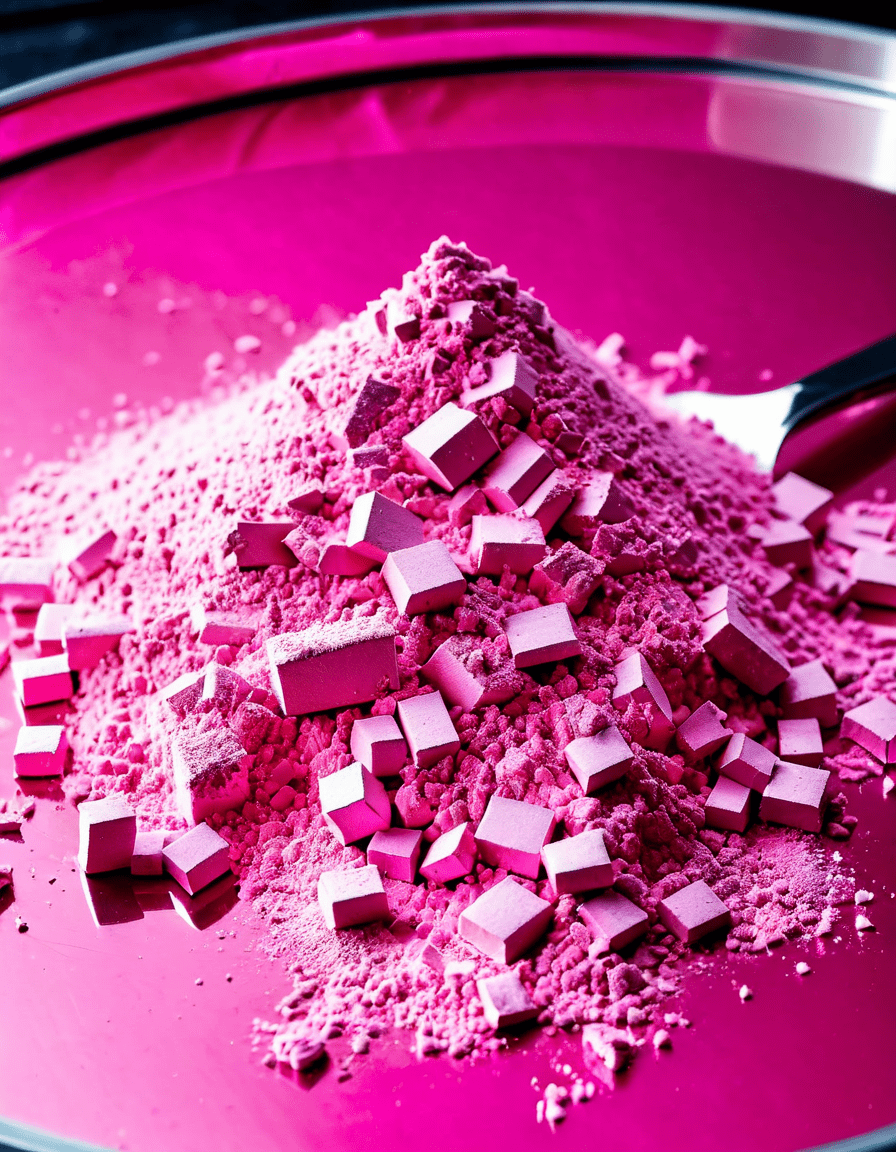
Pink cocaine is more accurately described as a mix of various synthetic drugs designed to mimic the effects of traditional stimulants. The primary ingredient, 3-MMC (3-Methylmethcathinone), along with other synthetic cathinones, creates a euphoric high while it’s loaded with health risks. These brightly colored powders often lure users with their dazzling hues due to added dyes, making them visually appealing—almost like candy. Unfortunately, this allure obscures the serious dangers associated with their use.
The vibrant color and hype surrounding pink cocaine attract individuals seeking a quick escape. But the high comes at a cost. Users can suffer from heart palpitations, anxiety, and even psychosis, which makes this seemingly enticing substance a perilous choice for anyone, let alone impressionable minds.
It’s vital to remember that the industry’s push for synthetic substitutes is an ongoing problem. Each new designer drug, including pink cocaine, adds to an already overwhelming landscape of addictive substances. Many young adults perceive these substances, wrapped in playful packaging, as safe or harmless—reports on Avery Leigh ‘s Experiences serve as stark reminders of the grim reality.

2. What Is a Designer Drug: The Evolution of Synthetic Substances
So, what is a designer drug? Simply put, they are substances specifically engineered to evade existing drug laws. Manufacturers alter conventional drugs, like MDMA or methamphetamine, creating alternatives that mimic the effects but remain technically “legal.” The problem? The very nature of these drugs leads to unpredictable results.
For instance, with pink cocaine, users might feel euphoric at first but could quickly spiral into feelings of paranoia or detachment. The effects vary widely since the chemical composition often changes, making it impossible for users to gauge their limits. It’s around this unregulated environment that many young people find themselves grappling with substance use.
Parents might feel helpless in the face of these designer drugs, but it’s crucial to educate and engage in open conversations with their children, ensuring they have the facts. Today’s youths face an onslaught of choices, so a proactive stance from parents can make a positive difference.
3. The Allure of Novelty: Why Users Are Drawn to Pink Cocaine
Novelty plays a massive role in drug use, particularly among young adults eager to explore new sensations. The vibrant presentation of pink cocaine draws attention; it’s like cotton candy at the fair—tempting and seemingly innocent. As social media influencers glamorize these substances, young people are more likely to see drug use as part of a chic lifestyle.
Additionally, the impression that being a part of the “in crowd” is often tied to drug experimentation can pressure users into trying these substances. The camaraderie and adventure associated with trying something “new” can dull the sense of caution. Unfortunately, this thrill-seeking behavior often leads to anxiety, addiction, or worse.
Parents need to remind their children that they can search for excitement in healthier ways. Going out to a concert, enjoying hobbies, or engaging in sports can provide the thrill of novelty without the dangerous ramifications of synthetic drugs.
4. What Is Wax Weed: A Synthetic Stoner’s Dream
Let’s pivot to another intriguing substance: wax weed. What is wax weed? It’s essentially a highly concentrated form of cannabis that delivers an intense high unlike traditional marijuana. While wax weed can feel alluring, its potency can backfire—especially for novice users unaware of their limits.
Similar to pink cocaine, overconsumption can lead to severe repercussions, including anxiety, paranoia, or even psychotic episodes. Those who see hashish or wax weed as less harmful because they are cannabis derivatives may be misinformed. The increased risk of dependence should never be overlooked.
Parents must navigate these conversations with their children. Explaining that while some substances may seem less dangerous, they can lead to deeper issues in the long run puts the risks of use front and center.
5. The Proliferation of Substances: What Is Salvia and Its Effects
Shifting focus, let’s discuss salvia. What is salvia drug? Salvia divinorum is a potent psychoactive plant that provides a radically different experience compared to stimulants like pink cocaine. Users of salvia often chase hallucinogenic effects that can produce visual distortions and an altered perception of reality.
Despite being legal in some places, experts warn against using salvia due to potential psychological risks. Some users report traumatic experiences, confusion, or distress, which can severely impact mental health over time.
Parents can use conversations around salvia to help children recognize the importance of understanding the medicines they’re consuming—just because a substance is legal doesn’t mean it’s safe.
6. Hashish: What Is Hash Drug and Why It Remains Popular
Speaking of chronic users seeking familiar comforts, let’s take a closer look at hashish. What is hash drug? Hash is a concentrated cannabis product made from the resin of the hemp plant. Its historical significance makes it a common player in the recreational substances landscape.
While hashish provides a more predictable experience than pink cocaine, it still carries risk—particularly concerning dependency. Users often expect to elevate their high with powerful products like wax weed or pink cocaine. Yet, it’s essential to highlight that all drug use comes with risks.
To help children understand these substances, encourage them to learn about the distinctions between different drugs, how they affect the body, and the likelihood of addiction. Knowledge is key to making informed choices.
7. Opium and Its Various Forms: What Are Opium Products?
The conversation would be incomplete without addressing opium, derived from the poppy plant. Various forms of opium exist, including morphine, codeine, and heroin. Each carries unique risks and can lead to devastating outcomes.
Unlike the stimulant effects of pink cocaine, opium primarily functions as a depressant, offering sedative effects that appeal to different users. The contrasting natures between these substances underline the diversity in the drug scene and why experimentation continues.
As parents, confronting the stark differences between drugs like opium and pink cocaine can foster better understanding. We can highlight how fleeting highs may lead to long-term addiction challenges.
8. Flocka: The Synthetic Drug Surge
Now, onto flocka, or Flakka. What is flocka? It’s a synthetic stimulant gaining notoriety for its dangerous side effects, including paranoia and aggression. Appalling news stories of individuals under flocka’s influence starkly contrast the glamor surrounding user experiences with pink cocaine.
One major concern is that users often don’t realize the risks posed by mixing designer drugs. The constant desire for more intense experiences can lead people to experiment with a deadly cocktail of substances. Parents must stay informed and share knowledge about these trends, proactively protecting their children from dangerous choices.
Here, community support can be indispensable. Local groups and resources, such as Cademine, offer help in understanding these issues and provide guidance for families in need.
9. The Grim Reality of Heroin: A Cautionary Tale
As we wrap up, we can’t ignore the harsh reality surrounding heroin. This powerful opioid remains one of the most addictive substances in circulation today and is linked to countless overdoses and fatalities. Unlike the glimmer of pink cocaine, heroin illustrates the heavy sobering reality of addiction; the consequences are devastating.
Pink cocaine may initially appear glamorous, but for many users, it leads down a troubling path. Individuals often transition from designer drugs, thinking they can control their substance use, only to find themselves on the road to severe addiction.
Guiding conversations about heroin’s dangers can help children recognize substance use’s tragic realities. Fostering these discussions ensures we support our children in understanding the full scope of their choices.
As we delve deeper into understanding what is in pink cocaine—and the wider designer drug scene—parents can arm themselves with the knowledge needed to combat its rise. Open and honest conversations around addiction are crucial to establishing a supportive environment, ensuring children feel empowered to make informed decisions about their wellness. By advocating for informed choices and staying vigilant, we can work towards a healthier future for all.
For more resources on navigating addiction in families, check out Getting High or learn details surrounding hash weed. The journey of prevention starts with understanding the landscape—together, we can embrace resilience in facing these challenges.
What Is In Pink Cocaine: A Look Inside This Trendy Substance
The Ingredients Behind the Allure
So, what is in pink cocaine that makes it so attractive to users around the globe? Interestingly, the substance marketed as “pink cocaine” isn’t actually cocaine at all. Instead, it typically contains a blend of substances like ketamine, a powerful anesthetic that can produce intense hallucinations and a sense of euphoria. While some might view these effects as a thrill, it’s important to remember that ketamine can lead to serious health risks and addiction, as highlighted in our resource on Ketamine.
This concoction often gets mixed with various chemicals that amplify its appeal. One eye-catching fact? The vibrant pink hue comes from a range of additives that companies use to make their product stand out—think about how fashion brands like Risen Jeans create eye-catching styles. Just like flashy jeans turn heads, the color and effects of pink cocaine grab attention in the drug scene, pulling users in.
Social Factors and Cultural Ties
Many users of pink cocaine find themselves drawn not just to the highs but also to the social scene surrounding it. In places like Sioux City , Iowa, it’s become a phenomena that reflects the desire for an escape—echoing larger trends tied to social status and nightlife. Popular venues like the Staples Center in Los Angeles are often associated with this drug culture, as parties and festivals provide fertile ground for experimentation.
You might think it’s just a party game, but the stakes are much higher. The allure of fitting into a scene can lead individuals down a path they never intended to take. It’s all fun and games until someone ends up needing serious help—much like the character of Mr. Satan in entertainment, who finds himself in way over his head.
Long-term Impacts and Awareness
While it might seem innocent to dabble in trendy substances, the question of “what is in pink cocaine” often leads to darker revelations about long-term health impacts. Dependence on ketamine and other ingredients can leave users trapped in cycles of addiction, which is something we strive to combat at Mothers Against. Knowledge is power, and understanding these substances is crucial for families looking to support loved ones through their struggles.
As we continue to unravel what makes this concoction so seductive, it’s vital to keep our conversations open about addiction and its roots. Whether it’s in cities or corners of the globe, understanding what is in pink cocaine is key to fostering meaningful discussions and ultimately guiding those in need towards recovery and healing.