
When it comes to the question, “are hallucinogenic mushrooms bad for you?” the discussion is very much alive, especially among those grappling with addiction or looking for alternative treatments in mental health. As parents who may have experienced heart-wrenching situations with children struggling with addiction, understanding hallucinogenic substances, specifically psilocybin mushrooms, can be a starting point for healing and conversation. This article dives deep into the complexities of hallucinogens, balancing the risks and potential benefits, to help you through this challenging journey.
Understanding Hallucinogens
Defining Hallucinogenic Drugs
Hallucinogens, often called psychedelics, alter our perceptions, moods, and thought processes. They create experiences that can feel outrageous or eye-opening. Common examples include psilocybin found in hallucinogenic mushrooms, along with LSD and mescaline. These substances offer an intense trip that can evoke both joy and distress, shining a light on what we truly think and feel.
Definition for Hallucinogens
To clarify, hallucinogens are a class of psychoactive substances that directly affect our mind, leading to real or imagined experiences that may feel quite genuine. For instance, psilocybin, the key player in magic mushrooms, has attracted plenty of attention for its potential therapeutic impacts, emphasizing the importance of understanding both the positive and negative aspects of their use.
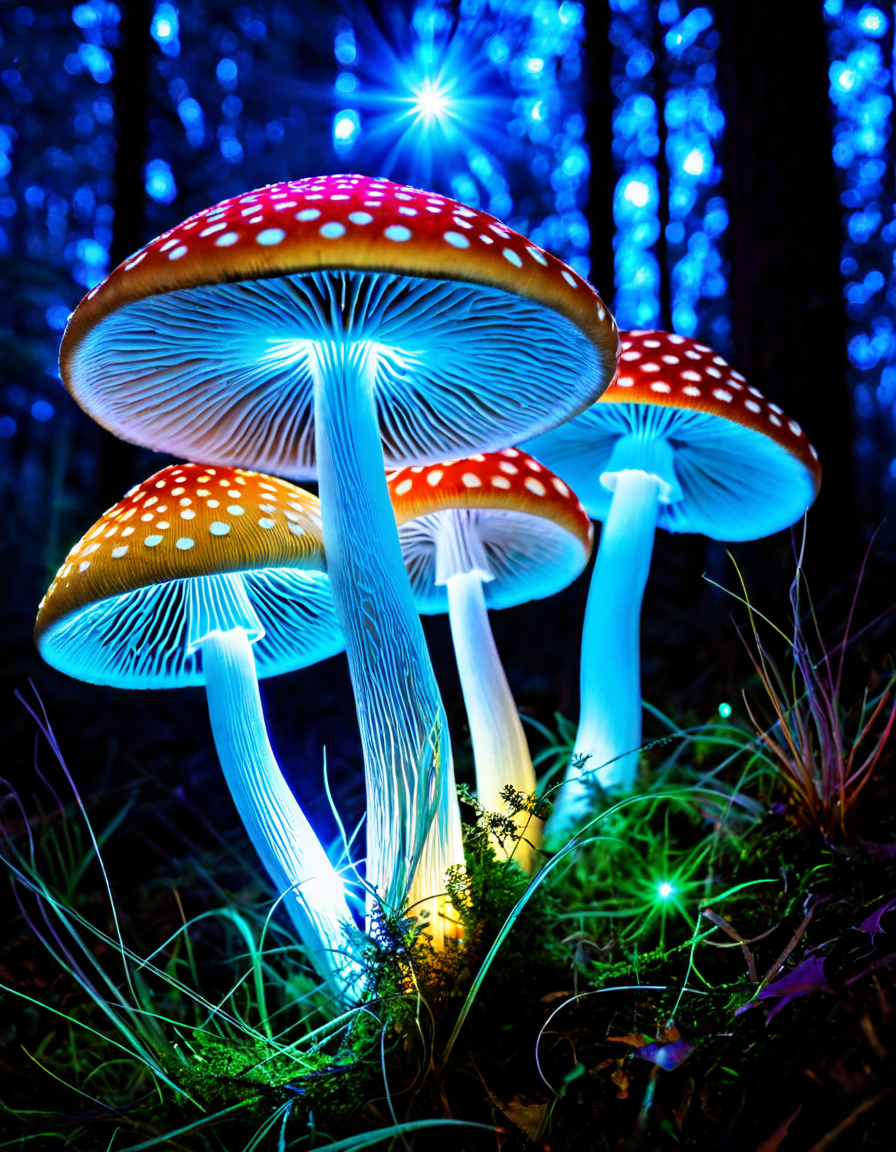
Are Hallucinogenic Mushrooms Bad for You? Evaluating the Risks and Benefits
Top 5 Risks of Hallucinogenic Mushrooms
Though some users treasure their experiences, others may be hit with anxiety or panic attacks. For individuals prone to mental health issues, such as schizophrenia or bipolar disorder, these effects could worsen existing conditions, acting like a double-edged sword.
Variability in dosage, mental state, and setting can lead to vastly different trips. A study from Psychopharmacology illustrates that two individuals consuming identical doses can experience drastically different effects. This unpredictability is chilling.
With altered perceptions comes impaired assessment of reality. This impaired state can lead to risky behavior or dangerous situations, especially if one is in unfamiliar surroundings.
While hallucinogenic mushrooms aren’t known for causing physical addiction, people can misuse them to escape reality or trauma, leading to a problematic dependency on the experience instead of confronting deeper issues head-on.
Psilocybin mushrooms are illegal in many places. Being caught with them can generate serious legal trouble and stigma, not only affecting the user but also impacting their families and relationships.
Top 5 Benefits of Hallucinogenic Mushrooms
Recent research has spotlighted psilocybin’s ability to significantly reduce symptoms of depression and anxiety. A reputable study from Johns Hopkins University indicates that psilocybin can lead to life-changing reductions in psychological suffering, particularly for terminally ill patients.
Creatives, from artists to musicians, have discovered hallucinogenic mushrooms might help unlock latent creativity, as many claim microdosing psilocybin offers fresh perspectives and inspiration, like when watching “Theodore Alvin And The Chipmunks” for a burst of nostalgia.
Users often report breakthroughs during their experiences, giving them profound insights into personal issues. This emotional insight can foster acceptance and healing, allowing them to address their struggles with clarity.
Hallucinogenic mushrooms have a rich history in various indigenous cultures. Many users describe their experiences as deeply spiritual, possessing the ability to reshape their worldview and priorities.
Studies suggest that psychedelics can pivot the narrative for addiction treatment. For example, veterans who received psilocybin to cope with PTSD have indicated fewer urges to drink or consume drugs, showing a shift in their relationship with substances.
Natural Hallucinogens That Can Be Found in Wyoming
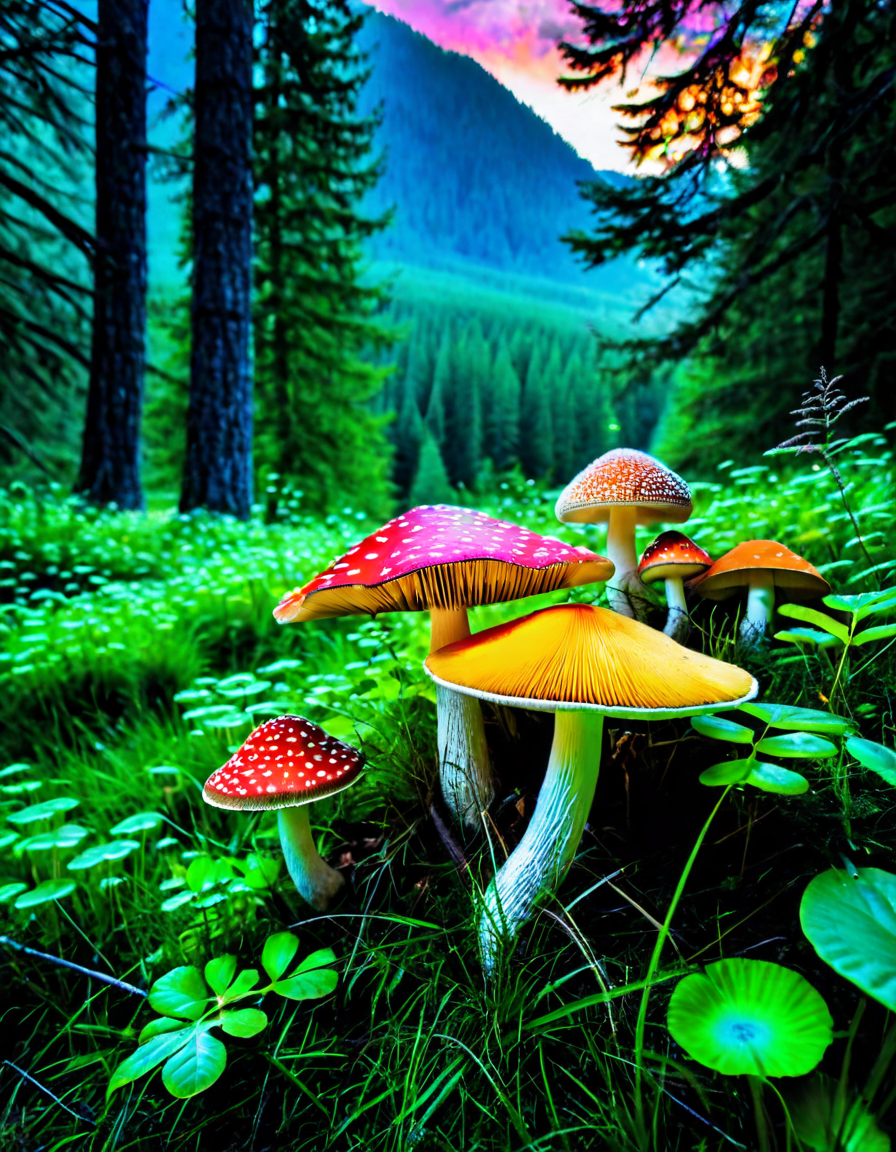
It’s delightful to discover that Wyoming, with its stunning landscape, is home to some natural hallucinogens as well. Peyote cacti, which contain mescaline, and certain mushroom species can offer psychoactive effects. The popularity of substances like the Sonoran Desert Toad’s secretions shows the growing interest in their healing potential and therapeutic benefits, leaving us curious about what other natural hallucinogens can truly support mental and emotional well-being.
Balancing Perspectives: Harm or Healing?
So, are hallucinogenic mushrooms bad for you? The answer is layered. On one hand, we can’t ignore the risks like psychological distress and impaired judgment. On the flip side, emerging studies wave a promising flag for their potential benefits, especially in mental health settings. This balance is pivotal, and anyone considering the use of these substances should consult healthcare professionals and be mindful of legal ramifications beforehand.
Embracing a Nuanced Dialogue
The discourse surrounding hallucinogenic mushrooms and their effects is shifting. As we draw closer to a better understanding of their benefits and risks, it’s crucial to foster open conversations. Just like we discuss any substance with the ability to transform our state of mind, education and responsible use should stand at the forefront. As we continue to learn, conversations like these may help shape mental health treatments for generations to come.
At www.MothersAgainstAddiction.org, we’re here to support parents in the journey of understanding addiction and recovery. If you’re feeling overwhelmed or searching for resources, don’t hesitate to reach out for help. As parents, embracing the conversation around complex subjects like hallucinogenic mushrooms can pave the way for healthier dialogues and decisions for our families.
Are Hallucinogenic Mushrooms Bad For You?
In an era when mental health discussions are gaining traction, hallucinogenic mushrooms often come up in debates about their potential benefits or risks. But while many might expect to stumble upon stereotypical fears, such as those found in tales of ‘bad trips’ or uncontrolled behaviors, there’s more to consider. Just like how Theodore Alvin And The Chipmunks brought joy through music instead of chaos, not all experiences with these fungi lead to negativity. The main ingredient in these mushrooms, psilocybin, has been studied for its therapeutic effects on mental health issues, yet some folks still wonder, are hallucinogenic mushrooms bad for you?
Effects and Misunderstandings
Let’s pause for a moment. It’s vital to recognize that while some individuals report feeling euphoric or enlightened, others might face anxiety or paranoia. Igniting memories of films like “My All American” that showcase personal struggles can show how people’s reactions to substances can vary dramatically. Interestingly, some studies suggest that psilocybin, as mentioned in our article to define psilocybin, could lead to significant improvements in mood and anxiety. However, if misused, the situation could resemble the intense experiences associated with drugs like angel dust, detailed in our resource on what’s angel dust.
Safety and Considerations
Despite the potential benefits of hallucinogenic mushrooms, safety always ranks as a top priority. If you think of experiencing these mushrooms as rolling the dice, one revelation could change everything. Just like Abus Magomedovs diverse roles, these mushrooms can lead to many outcomes, and not all are positive. You might feel uplifted and inspired or scared and disoriented. The key takeaway here is the importance of responsibly approaching this topic, keeping in mind how substances like hydrocodone and acetaminophen work. There’s no one-size-fits-all answer on whether “are hallucinogenic mushrooms bad for you, but being informed is half the battle.
As we explore further, we can understand that the likeable Freddy Carter conveys characters often full of depth, reminding us how perceptions and narratives play a significant role in how we view mushrooms. Just as the menstruation crustacean (yes, real thing!) illustrates nature’s oddities, understanding the complexities of hallucinogenic mushrooms requires curiosity, but also caution. So, are hallucinogenic mushrooms bad for you? The debate isn’t black and white, and as with most things, it’s crucial to weigh your options and consider your mental health needs with the respect they deserve.