
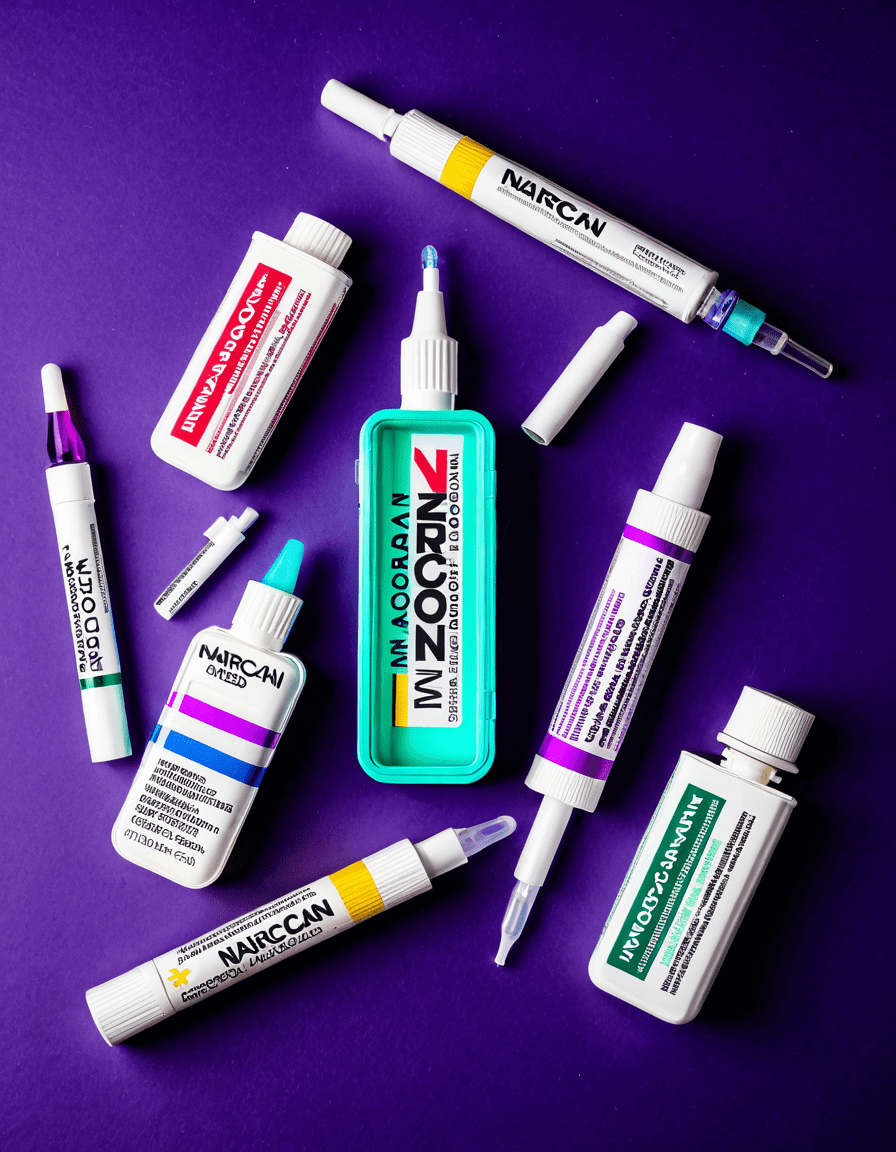
Narcan, or naloxone, is widely recognized for its crucial role in reversing opioid overdoses. However, what is Narcan used for other than overdose? Its applications reach far beyond this life-saving capability. It’s a multifaceted tool in opioid crisis management, bolstering community education and offering a bridge for those seeking treatment.
1. A Multifaceted Tool in Opioid Crisis Management
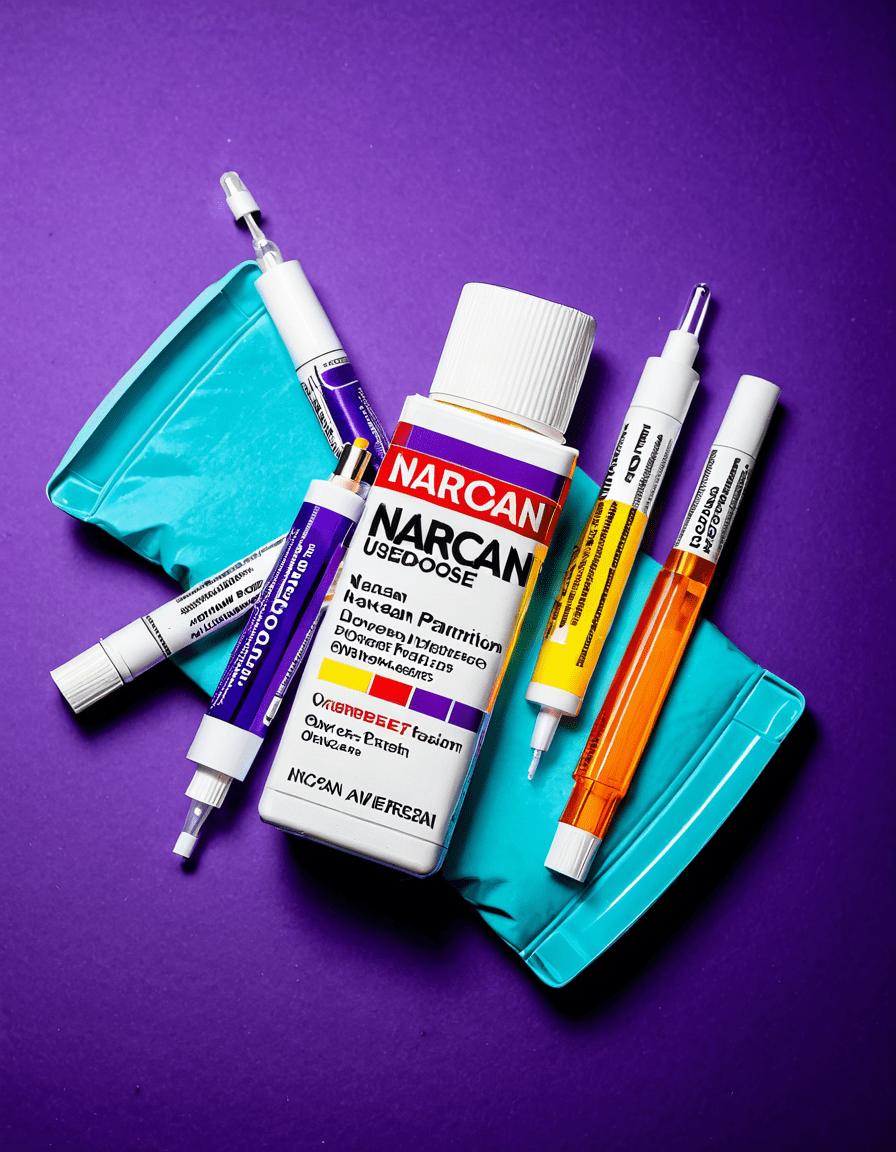
When we talk about how Narcan works in the community, we see it promotes a culture of safety regarding substance use. One standout feature is its role in prevention education. Distribution efforts frequently coincide with educational programs that inform users and their loved ones about harm reduction and responsible substance use. For instance, organizations like Community Addiction Recovery Effort (CARE) lead the charge by providing hands-on training that details the signs of opioid overdose and how to use Narcan effectively. These efforts contribute to better-informed individuals, ready to take action during emergencies.
Moreover, Narcan is more than just a safety net; it’s supportive in encouraging individuals towards treatment after an overdose. Imagine someone experiencing an overdose and waking up feeling frightened and confused. Narcan’s availability can ease those fears, pushing them toward seeking the help they desperately need. Programs like New Hope Recovery Center in Brooklyn, NY, illustrate this strategy effectively. They marry Narcan training with comprehensive treatment services, showcasing the synergy between emergency response and long-term recovery through collaboration.
Returning to the broader picture of the opioid crisis, Narcan also fosters community cooperation. When neighborhoods rally behind Narcan distribution, it sparks meaningful conversations about addiction, treatment options, and stigma reduction. Working together, local businesses, nonprofits, and ordinary individuals can carve out a safer environment—something every parent longs for.
2. Emerging Health Concerns: Cannabinoid Hyperemesis Syndrome
As cannabis use rises, the medical field is increasingly encountering cannabinoid hyperemesis syndrome (CHS). Parents should know precisely what are the first signs of cannabinoid hyperemesis syndrome to ensure early intervention. This strange syndrome is on the rise, marked by recurrent nausea and vomiting that can be debilitating. It’s a tricky condition, often relieved momentarily by hot showers, leaving many confused about its origins.
Understanding CHS is critical for families, especially in our ever-changing landscape of legalized cannabis. By educating parents on CHS’s symptoms, we enable early recognition that may save a loved one from discomfort or a medical emergency. Encouraging open discussions about cannabis use within families can pave the way for healthier decisions and awareness.
This awareness becomes even more important given the prevalence of misinformation. Parents need guidance on what is actually happening and how cannabis affects their children. Knowledge is power, especially when it comes to understanding the complexities of substance use.
3. Kratom: The Herbal Controversy
The curiosity surrounding kratom—an herbal remedy—has sparked debates among health professionals, parents, and individuals seeking alternative treatments. Many wonder what are the benefits of kratom and what it’s used for. Essentially, kratom comes in two primary strains—red and green—each offering unique effects. Strikingly, red kratom strains are often labeled for their pain-relief qualities and are popularly used by those transitioning off strong opioids.
Despite these potential benefits, kratom has drawn scrutiny. Several health organizations have warned about the risks associated with unregulated use, particularly among young people. Parents should feel equipped to answer: what is currently trending with tweens in relation to kratom and how social media, particularly apps like TikTok, can glorify its use.
With kratom’s growing popularity, it’s crucial to guide younger audiences toward understanding its complexities and potential dangers. Discussions at home should focus on how substances are presented and perceived across various media platforms, ensuring that children know the truth behind the allure of herbal remedies.
4. The Rising Trend of Kratom Among Tweens and Teens
Social media stands central to the increasing interest in products like kratom, particularly among younger audiences. The influence of platforms like TikTok cannot be overstated; they often portray kratom as a harmless herbal supplement. Sadly, this perspective can lead kids down the rabbit hole of experimentation. It’s vital that we address this rising trend head-on.
Parents can empower themselves by discussing the realities surrounding kratom. Kids should understand what is kratom used for and not just see it as an over-the-counter solution. Emphasizing the potential downsides can help deglamorize its usage. Additionally, engaging discussions about social media’s impact on perception can foster critical thinking skills in children.
Moreover, it’s essential to keep communication lines open. Encourage your children to talk about what they see online and create an environment where they don’t feel judged or afraid to share. These discussions can lay the groundwork for future conversations about all types of substances, helping families navigate the intricate waters of youth substance use.
5. The Role of Narcan in New Treatment Paradigms
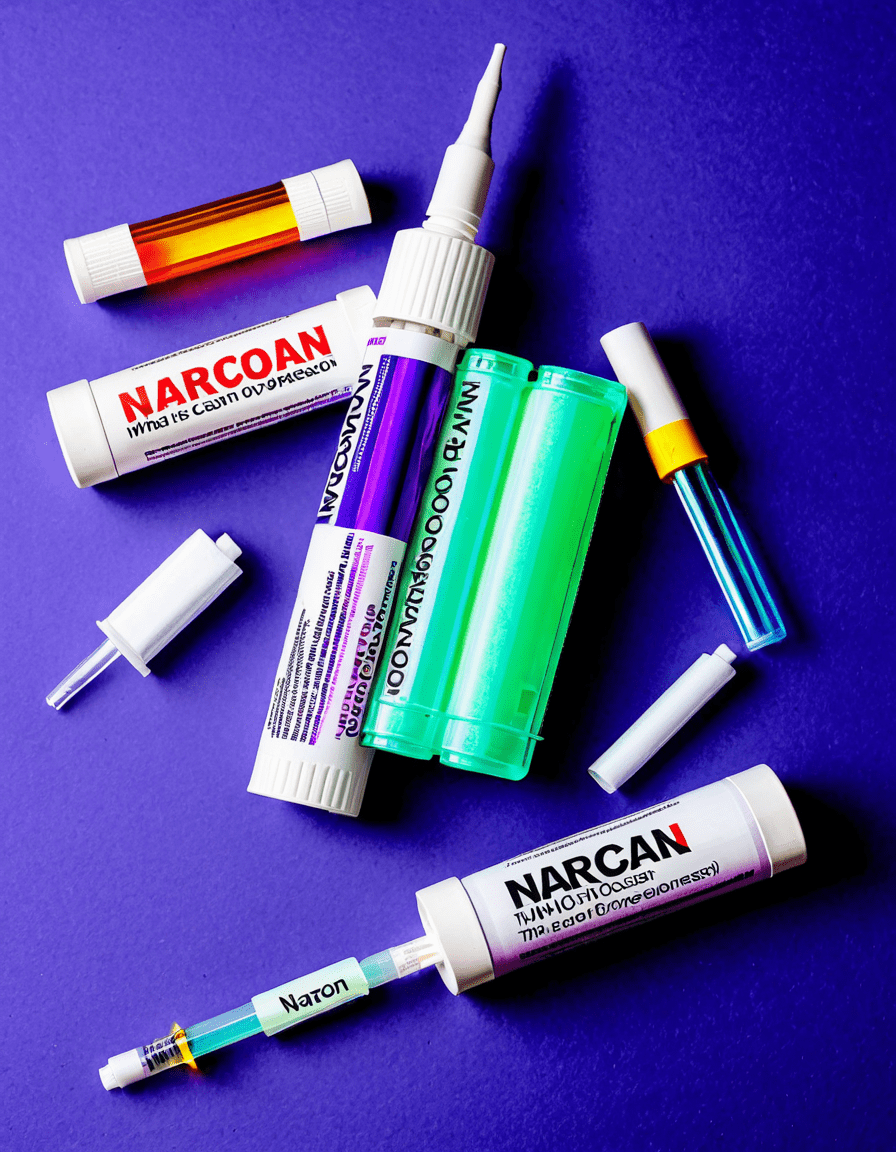
Narcan’s role today is simply invaluable in transforming the landscape of treatment. Advocates are calling for broader distribution—not just in hospitals but schools and community centers too. This proactive approach fosters a more profound understanding of addiction, making it a communal responsibility.
Schools are at the forefront, crafting programs that integrate Narcan as part of their health and safety protocols. Programs in Chicago Public Schools have played a crucial role in reducing overdose fatalities, creating an environment where swift action can save a life. Imagine knowing that a toolbox for safety exists right in your school’s nurse’s office!
Additionally, community events dedicated to Narcan training empower ordinary citizens to become first responders. Such training sessions demystify Narcan’s use and encourage everyone to take part in this life-saving mission. The more ordinary people understand and can utilize Narcan, the safer our communities will be.
Innovative Wrap-Up
Narcan’s utility as a tool extends far beyond its role in overdose prevention. It intertwines with a comprehensive approach addressing the myriad challenges of addiction. As we further understand emerging health concerns like cannabinoid hyperemesis syndrome, we start to see the profound impact of substances like kratom.
The collective awareness and education surrounding addiction and substance use have never been more necessary. Families, armed with knowledge, can better navigate these waters while fostering a safe and supportive environment. As we unite to shed light on these matters, we also illuminate paths leading to healing, resilience, and hope. Engage with these resources and see how incorporating Narcan into your community can safeguard our youth. After all, knowledge is the first step toward nurturing healthier futures for our families.
What Is Narcan Used For Other Than Overdose
Understanding Narcan Beyond Overdose Responses
While Narcan is primarily known for reversing opioid overdoses, it’s fascinating to explore what else it might be used for. A fun fact to start with: did you know that Narcan has been utilized in the treatment of Methcathinone, a drug that acts similarly to methamphetamine? Methcathinone, often referred to as “cat, can lead to severe reactions, and Narcan’s ability to alleviate certain symptoms has opened discussions about its potential uses beyond opioids. This versatility highlights why it’s vital for families to stay informed, especially when dealing with substances like Flakka Pvp, which can create unpredictable effects.
Narcan and Other Substances: Expanding Horizons
Interestingly, Narcan can also address respiratory distress issues caused by various inhalants. Inhalants can lead to unconsciousness or dangerous levels of respiratory depression. Parents sometimes find themselves in precarious situations, understanding how inhalants fit into a broader landscape of drug use, which can include comprehension of the risks associated with What are Inhalants.( This crucial knowledge equips families with the tools to make informed decisions about their children’s health and safety.
The Bigger Picture: Cultural Impact of Narcan
The societal impact of Narcan isn’t limited to medical uses. It has become a part of pop culture discussions too! Picture this: just like the camaraderie and danger captured in a Baywatch Hawaii episode, Narcan brings together communities in compassion and urgency. Awareness and accessibility are essential, much like how celebrities, including those like Tom Cruise, help shine a light on mental health challenges that can result in substance use issues. The conversations around Narcan encourage sharing experiences and reducing stigma, amplifying the importance of empathy in dealing with addiction.
In closing, though understanding what is Narcan used for other than overdose primarily focuses on reducing harmful physical effects, its broader implications signify the collective effort in addressing addiction. Always staying informed, whether through personal experience or community resources, is vital for anyone affected by substance challenges, ensuring that hope and recovery remain firmly in sight.


















One Response
It’s really a nice and helpful piece of info. I’m glad that you shared this useful information with us. Please stay us informed like this. Thanks for sharing.