
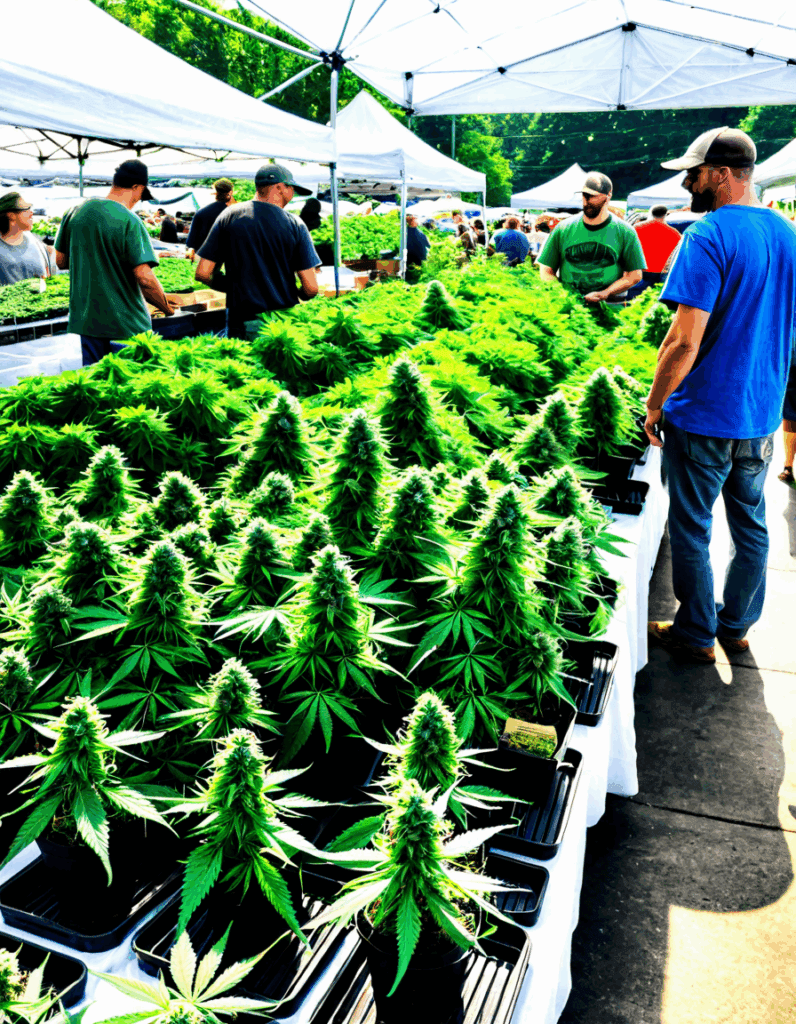
The move toward legalizing weed in Alabama has generated substantial discussion across the state. As we head into 2026, this pivotal change carries with it complex implications, touching the lives of families, health professionals, and lawmakers alike. At Mothers Against Addiction, we understand the emotional rollercoaster that comes with these discussions, especially for parents grappling with the struggles of addiction. As we navigate this increasingly intertwined relationship between marijuana legislation and public health, these conversations can evoke uncertainty and concern.
1. The Landscape of Legalizing Weed in Alabama
Without a doubt, Alabama stands at a crucial juncture regarding marijuana legislation. Since the legalization debates ignited, we’ve seen a notable shift in public attitudes and legislative movements. While some advocate for a regulated cannabis market, others voice strong concerns rooted in cultural beliefs and public health issues, particularly regarding addiction.
1.1 Public Opinion and Political Ramifications
Recent polls, such as the 2026 Alabama Political Landscape Survey, reveal a striking 65% of residents now support the legalization of weed in Alabama. This change stems, in part, from evolving perceptions that view marijuana as a legitimate medicinal product and, to some extent, a recreational option. However, the conversation isn’t one-sided. Many voices within the community express reservations, bringing skepticism and debate into the legislative discussions.
1.2 The Economic Perspective
Looking at the bright side, legalizing weed in Alabama could pave the way for numerous economic benefits. States like Colorado and California have reported a surge in tax revenues and job creation following cannabis legalization. Alabama could see similar outcomes, especially as the state combats a staggering $1.3 billion annual burden related to drug costs. The potential infusion of revenue from a controlled cannabis market is a compelling argument for advocates of legalization.
2. Overdose Awareness Day: A Focus Amidst Growing Use
Despite marijuana being less frequently linked to lethal overdoses, the intersection between legalizing weed in Alabama and addiction concerns is critical. Observing Overdose Awareness Day and Month shines a light on the intricate issues surrounding substance use disorders, making clear the importance of awareness in our evolving landscape.
2.1 Statistics and Trends
Data from the National Institute on Drug Abuse shows that states where marijuana has been legalized report higher visitation rates among adolescents. Lawmakers in Alabama are carefully monitoring this trend as they craft a regulatory framework to mitigate misuse while also capitalizing on the potential economic benefits of legalized cannabis. Ensuring that our youth remain safe from harmful substances is paramount, and this emphasizes the need for education and support.
2.2 Understanding the Full Picture
For many parents, like those we serve at Mothers Against Addiction, the potential mental health and addiction factors tied to legalizing weed can raise more questions than answers. This highlights a critical need for designing educational programs aimed at families so they can understand the nuances of marijuana use while fostering open conversations with their children.
3. The Debate on America Legalizing Weed and Its Impacts
Alabama’s experience reflects a broader national discussion around legalizing weed. Currently, more than half of U.S. states have moved towards legalization, bringing real-life consequences that resonate far and wide.
3.1 Success Stories and Cautionary Tales
Take Washington, which has skillfully rolled out cannabis programs combining safety and public health while advancing economic opportunities. On the flip side, states like Oregon faced hurdles, with increased dependency rates and homelessness linked to easy access to marijuana. As Alabama passionately debates its cannabis future, these examples serve as essential mirrors reflecting what could be embraced or avoided.
3.2 Raising Awareness
Through platforms like Mothers Against Addiction, we can begin to raise awareness about the potential ripple effects of legalizing weed in Alabama. Familiarizing communities with addiction’s realities helps build resilience, drawing attention to how each decision can act like a thread in the larger tapestry of public health.

4. Innovative Solutions for Responsible Use
Coming back to Alabama’s approach, crafting innovative solutions is crucial as we reconcile the benefits of legalizing weed with potential pitfalls. Emphasis on education, age restrictions, and safe consumption practices must take precedence as we embrace this legislative shift.
4.1 Collaborative Efforts
By collaborating with government agencies, health organizations, and local advocates, Alabama can develop cannabis regulations that effectively address potential risk factors. We’re already seeing some proactive moves; advocacy groups, such as Mothers Against, have initiated pilot programs that educate parents on responsible cannabis consumption. As we thread this into ongoing overdose awareness initiatives, it can empower families to engage in dialogues about safe practices.
4.2 Building a Supportive Network
To amplify these efforts, a robust support network is essential. Consider the initiatives focusing on cannabis-infused drinks, which could offer safer alternatives to traditional consumption methods. Collaborative strategies among state officials, health professionals, and communities can buttress the well-being of families while supporting those in recovery from addiction.
5. Moving Forward: Embracing Change while Acknowledging Challenges
As Alabama wades into the waters of weed legalization, we must approach the situation holistically. Legalizing weed in Alabama isn’t just a legislative maneuver; it reflects a cultural shift in our understanding of drug use and its accompanying challenges. It’s vital to recognize the layered relationship between marijuana, health, and addiction, particularly as we prioritize overdose awareness.
5.1 Embracing a Balanced Future
In these discussions, Alabama can learn from the experiences of other states. Balancing economic benefits with diligent public health initiatives is not only necessary but also offers the chance to create a community that values responsible choices. We must remember that our focus should be on the people—those who are struggling with addiction, those who have lost loved ones, and those who are seeking recovery Resources.
5.2 Support and Awareness
At the heart of these changes lies a desire for understanding, support, and compassion, especially for the families connected to issues of addiction. Through initiatives from organizations like Mothers Against Addiction, we can foster a culture of resilience and empathy in the face of challenges posed by legalizing weed in Alabama.
In conclusion, as we move forward in this legislative landscape, embracing change with open arms while being mindful of challenges will help define Alabama’s resilience in the face of evolving policies. Together, we can build a state that promotes understanding and responsible cannabis use, fostering a safe environment for all families.
Legalizing Weed in Alabama Sparks Controversy and Change
Alabama’s journey toward legalizing weed is a real hot topic these days, stirring up conversation and emotions everywhere. Did you know that Southern states historically had some of the strictest cannabis laws? It’s only recently that perceptions have shifted, with many people curiously exploring the implications of legalization. For instance, in 2023, states across the U.S. like New York and Michigan have already found a sense of freedom in their relaxed marijuana laws. While Alabama may still be playing catch-up, the move towards legalization could pave the way for economic growth, new jobs, and even innovative products like cannabis-infused drinks.
The Ripple Effect of Legalization
Legalizing weed in Alabama might not just transform the local economy, but it can also impact health and wellness. With the rise of vaping, many are starting to ask, what are the side effects of vaping? It’s crucial for people to educate themselves; misinformation can lead to serious consequences. Meanwhile, for enthusiasts, there’s growing interest in THC Dabs and how they compare to traditional forms of cannabis. Each method of consumption has its own effects, appealing to different preferences—like how Rebel Ice Cream has found a niche by catering to those who enjoy sweet treats but with a twist!
Cultural Shifts and Perspectives
As Alabama grapples with the question of legalizing weed, cultural perceptions are shifting, reflecting a broader societal change. You might catch a glimpse of counter-culture icons like Edie Sedgwick in art and media that challenge outdated perceptions. And speaking of iconic shifts, there’s something quirky about the ice cream haircut trend that mirrors the creativity coming out of this evolving debate. Changes in the law can inspire everything from local art to how people socialize. You might even find casual conversations over a game like the human or not game popping up in parks as friends bond over their contrasting views on weed.
Ultimately, legalizing weed in Alabama brings with it a swirl of implications—be they personal, social, or economic. From new lifestyle products like cannabis-infused drinks to the risks associated with dependence, there’s so much more involved than just changing a law. With all these cultural shifts, it’s fascinating to realize how something as simple as Stories Of Blowjobs can spark deeper dialogue about societal mores. As the tide turns in Alabama, it’s clear that this conversation isn’t going away anytime soon, and everyone’s got a stake in the outcome.



















One Response
I am a 66 year old Alabaman I entered the Alabama criminal justice system 10-10-87 For personal use cannabis and That charge has followed me to since wether it be job seeking..oh buy the way Montsanto Decatur would not hire me so I had to work as a contractor second rate employee Just over a weed that grows wild.. Mean while Every day More and more Alabamaains Have there lives Renuied It’s just a vicious cycle..Alabama lawmakers .. It’s past time for CHANGE ..!!??