

Ecstasy, or 3,4-methylenedioxymethamphetamine (MDMA), raises an interesting question: is ecstasy a stimulant? This drug sparks a lively debate not just among scientists, but also among parents who worry about their children’s choices. Understanding MDMA requires us to look deeper into its chemical structure and effects on the brain, especially through a lens shaped by compassion. Our goal at Mothers Against Addiction is to foster understanding and provide resources for parents grappling with these issues.

1. Is Ecstasy a Stimulant? A Delve into Its Chemical Structure
Ecstasy presents a unique profile when we examine its chemical structure and impact. On one hand, it does exhibit properties typically associated with stimulants. Yet, its emotional effects can’t be overlooked. Ecstasy’s interaction with the brain suggests a multifaceted nature, often leaving users seeking more while battling the emotional lows that can follow.
1.1 Understanding Stimulants: What Do They Do to Your Brain?
So, what do stimulants do? They primarily increase levels of neurotransmitters like dopamine and norepinephrine, leading to heightened alertness and euphoria. While ecstasy engages these systems effectively, it also promotes a significant release of serotonin. This difference makes the effects of ecstasy distinct from classical stimulants, creating a blend of energy with intense emotional connection.
1.2 What Are Stimulants? A Broader Look
To frame our understanding of ecstasy, let’s clarify what we mean by stimulants. Here are a few common examples:
Each of these drugs has a distinctive profile yet shares the trait of increasing alertness.
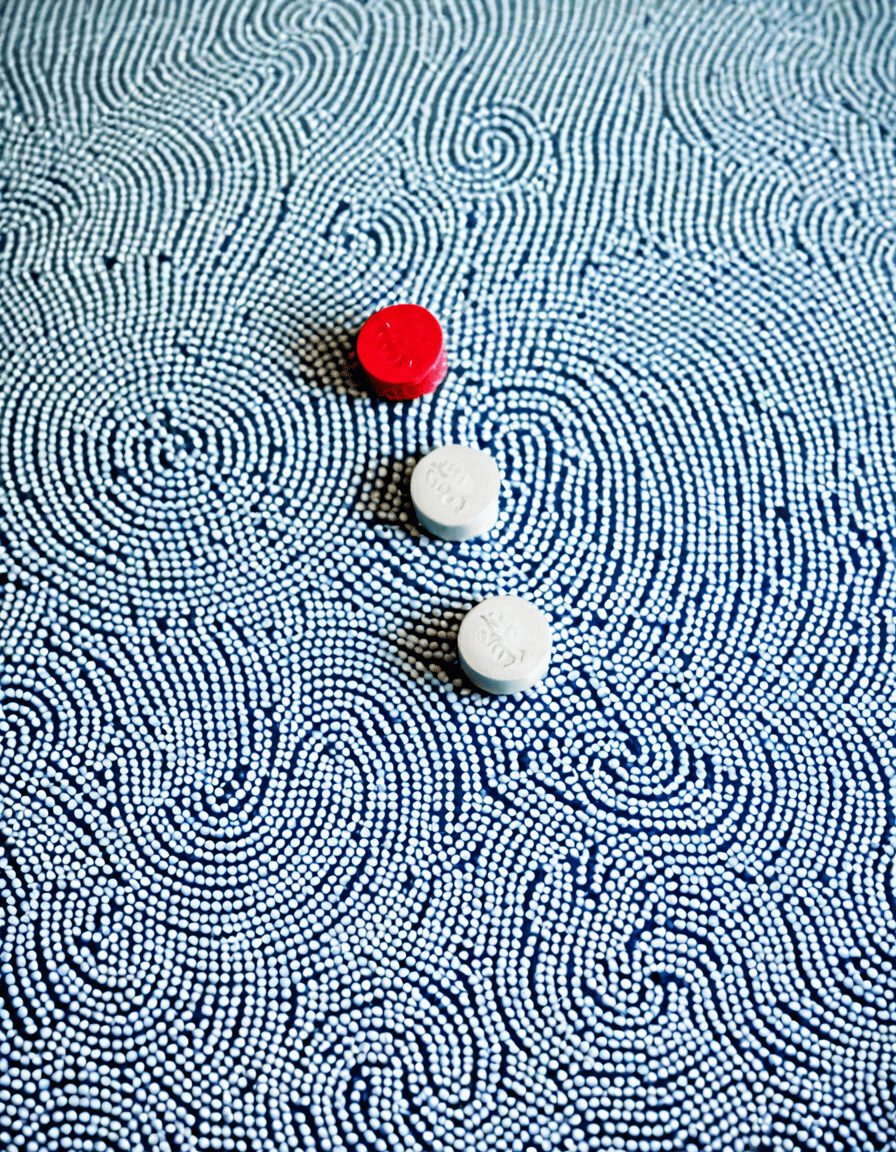
2. Ecstasy vs. Other Stimulants: A Comparative Analysis
2.1 What Drugs Are a Stimulant and How Do They Differ?
Comparing MDMA to its stimulant cousins helps clarify its special standing. The primary differences lie not only in their effects but also in their context of use:
2.2 The Emotional High: Is Ecstasy a Stimulant Worth the Risk?
Although ecstasy may grant a euphoric lift, it’s crucial to consider the potential dangers. Users may face dehydration and overheating during high-energy moments, as well as anxiety or paranoia when the effects wane. Understanding these risks is vital for parents who want to educate their children on drug safety.
3. The Dual Nature of Ecstasy: Stimulant or Empathogen?
3.1 Analyzing the Social Context of Ecstasy Use
Ecstasy tends to flourish in bustling, vibrant atmospheres—think concerts or festivals. This aspect sharply contrasts with traditional stimulants, which often find themselves in solitary settings, revolving around personal focus or energy boosts. The communal aspect of ecstasy use heightens both joy and risk, especially when young people gather to experience it together.
3.2 Research Insights: Impacts on Addiction and Recovery
While ecstasy isn’t as physically addictive as substances like cocaine, its psychological hold can be compelling. Individuals might find themselves stuck in a cycle of seeking repeated emotional experiences, blurring the line between recreational use and addiction. Parents should be aware that even substances labeled “recreational” can lead to a deeper, harmful relationship with drugs.
4. Final Thoughts: Is Ecstasy a Dangerous High or a Stimulant with Benefits?
In wrapping up our exploration of is ecstasy a stimulant, we see that MDMA occupies a unique space in the drug dialogue. It shares some stimulant characteristics but also hosts substantial empathogenic effects that lead to deeper emotional connections. However, the associated risks should never be overlooked.
Educating ourselves and our children about drugs like ecstasy is essential. As the conversation around addiction and mental health continues to evolve, we must remain watchful and engaged. Supporting one another, staying informed, and fostering open dialogues can create a safety net for families navigating these turbulent waters.
If your child has experienced issues with substances or if you’ve faced the heartbreak of loss, remember that support is available. Engage with resources and communities like Mothers Against Addiction to find solace and information. We stand with you in your journey towards understanding and healing.
Is Ecstasy a Stimulant?
Understanding Ecstasy’s Effects
When discussing the question of is ecstasy a stimulant, it’s crucial to know what this substance truly does. Ecstasy, or MDMA, packs a punch by enhancing mood and energy levels. People often report feelings of euphoria, emotional warmth, and a surge of motivation—almost like a pep rally in your brain. But before you party like it’s 1999, let’s weigh the risks. Ecstasy can also lead to serious side effects such as dehydration and increased heart rate, making it more than just an innocent dance enhancement. Think about the Battle Of Iwo jima: just as soldiers faced immense challenges, ecstasy users might stumble upon unforeseen dangers.
The Fine Line Between Fun and Harm
So, is ecstasy a stimulant? Technically, it does have stimulant properties, but its unique effects set it apart from other stimulants. Whereas a caffeine buzz might leave you jittery, ecstasy can transform a night out into a euphoric journey. Interestingly, there’s a fascinating connection here; just like the dynamics seen in various band members, like those of Pentatonix, where each contributes to an overall harmony, ecstasy alters multiple neurotransmitters, creating a vibrant tapestry of sensations. Yet, there is a looming question about its safety, akin to what many parents ask regarding substances like ketamine—Is ketamine a drug that can lead to dependency or be recklessly abused?
Beyond the Party Scene
Moreover, you might be wondering about other substances that can create high effects—Examples Of Benzodiazepines come to mind. These too can offer fleeting pleasure but might trap users in a cycle of dependency. For those who dabble in drugs, the ensuing experiences can resonate—similar to how THC withdrawal syndrome affects cannabis users. It’s a reminder that while some substances can feel celestial in the moment, they may come with strings attached. Think of dragon wings: they sound impressive, but they come with their own set of challenges and mysteries. When evaluating whether is ecstasy a stimulant, it’s vital to keep these facts in mind. Our choices today can echo throughout our lives, much like how the endurance of a film like The Deliverance movie holds its weight in culture. Understanding these nuances can help steer a path toward better decision-making.