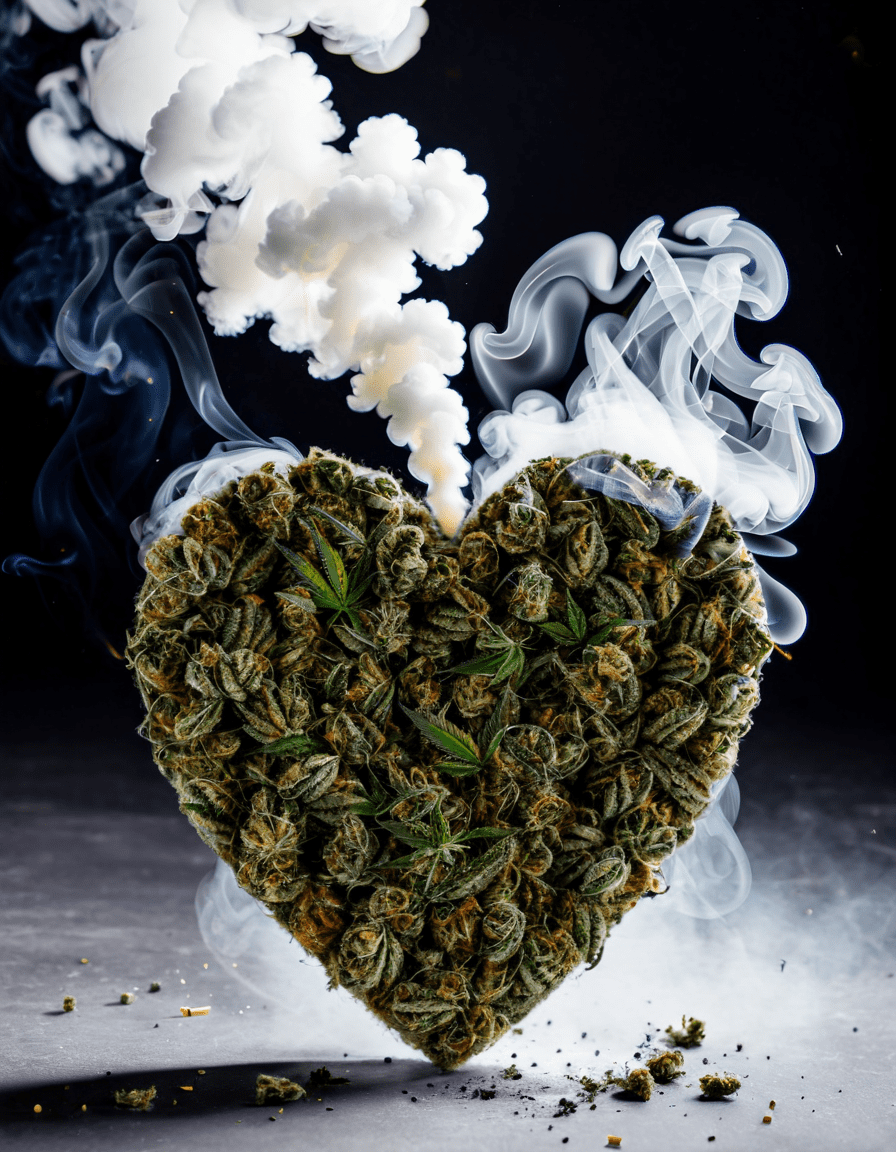

Cannabis addiction is not a sensationalized issue; it’s a plight many families face, affecting countless lives and relationships around the globe. Far from being labeled a harmless substance, cannabis dependence can have dire consequences for both individuals and their families. This article elucidates how cannabis addiction manifests, the accompanying effects, and offers support to parents grappling with their children’s silent struggles. As professionals and caregivers, understanding this emerging crisis can help us frame necessary dialogues and interventions that foster healing and resilience.

Understanding Cannabis Addiction: An Emerging Crisis
The truth is, cannabis addiction is becoming more commonplace, and the ramifications of that dependence are significant. Many parents initially brush off cannabis use as benign, especially in light of its legalization in numerous regions. Yet many families find themselves standing at the crossroads of bewilderment and heartbreak as they witness their loved ones become engulfed in the haze of cannabis dependence. The challenge is real, and it often creeps in slowly, unnoticed until it is deeply embedded in family dynamics.
Recognizing cannabis addiction as a genuine concern is crucial. It’s not just about the substance itself; it’s about the far-reaching impacts on mental health, relationships, and day-to-day living. Staying educated and aware helps parents navigate this complex terrain while embracing their roles as advocates for their children’s well-being. Together, we can break this cycle of silence and stigma, fostering a community of compassion and support.

Top 7 Ways Cannabis Addiction Harms Lives and Relationships
Cannabis dependence can create a significant emotional rift between parents and children. Communication takes a nosedive as they become more withdrawn and irritable. Take the story of a mother who watched her son transform from a chatty teenager to someone who would barely engage during family dinners. These changes don’t just hurt; they pierce the heart of family connections, leaving relatives to yearn for the warmth of their loved ones who now seem like ghosts in the living room.
The costs of cannabis products can accumulate faster than you can imagine. Reports indicate individuals struggling with cannabis addiction might spend an average of $300 monthly—dollars that could otherwise alleviate family expenses. For families already living on tight budgets, this financial pressure can lead to arguments and increased stress. The money spent on cannabis wax, concentrates, and edibles often takes precedence over rent or groceries, prompting many parents to question their financial security and family unity.
The connection between cannabis use and academic performance is stark. Studies show that students grappling with cannabis dependence often face cognitive impairments, resulting in lower grades and dropout rates. In one alarming case from California, regular users reported increased absenteeism, leading to stunted career prospects. When parents see their children’s dreams slip through their fingers, it’s heart-wrenching and leaves many feeling powerless.
Sadly, cannabis addiction doesn’t exist in a vacuum; it can exacerbate mental health issues. Research from the National Institute on Drug Abuse states that a vicious cycle often sets in, with dependence leading to heightened anxiety and depression. Parents who love their children deeply often feel a wave of helplessness wash over them as they witness their loved ones go through such tumult. Understanding the connection between cannabis dependence and mental health is vital for effective intervention.
The grip of cannabis dependence often leads individuals to prioritize their substance use above other relationships. One young woman shared her painful experience of choosing to surround herself with friends who only encouraged her cannabis use. Those who truly cared for her were pushed away, leading to profound loneliness. This isolation feeds into the addiction, making recovery more challenging and relationships more fragile.
The allure of cannabis-infused products can lead individuals down a path filled with risks. Many start experimenting with synthetic cannabis or additives, thinking they are harmless. However, there’s concerning data pointing to increased hospitalizations from synthetic marijuana overdoses since 2021. Choices made in the haze of addiction can have dangerous repercussions, leaving many to regret their decisions.
Legalities surrounding cannabis vary widely across states; while many have embraced legalization, concentrated forms remain a gray area. A report from 2023 highlighted that even in places where cannabis is legalized, individuals charged with possession—particularly of cannabis concentrates—often face arduous legal battles. These challenges drain both emotional and financial resources, adding an extra layer of stress for families already coping with addiction.
Navigating the Path to Recovery
It’s paramount for parents and guardians to stay vigilant and informed about the distinctions among cannabis products. By educating themselves about the potential harms of cannabis-infused edibles and strains, parents can initiate meaningful conversations with their children. Open dialogue can serve as a powerful deterrent against the lure of cannabis addiction.
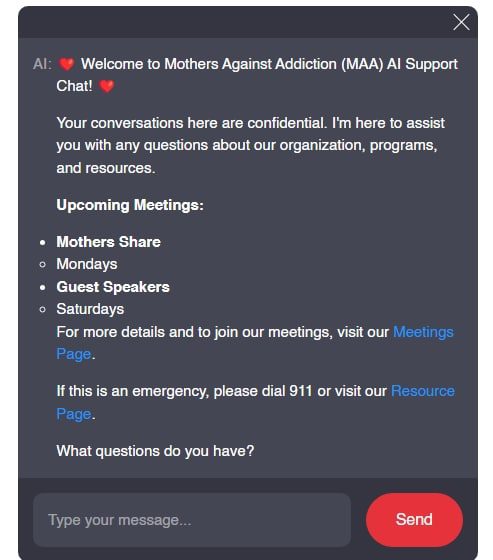
Support groups, counseling, and educational resources play a crucial role in paving the way toward recovery. Many organizations are dedicated to providing guidance to families affected by cannabis addiction, addressing both the emotional and practical aspects of the battle. Sites like Mothers Against addiction offer invaluable resources geared towards helping parents navigate these turbulent waters.
As society shifts towards greater acceptance of cannabis use, it’s imperative to highlight the potential risks associated with cannabis dependence. Proactive measures at the community and family levels can prevent addiction from taking root. Understanding that cannabis addiction is a legitimate concern empowers families to confront the reality head-on.
Everyone’s story matters. Recognizing the impact of cannabis addiction allows us to develop a stronger support network for those affected. Healing begins with understanding, education, and community support. If every parent voices their concerns, we can pave the way towards a more informed future in which families work together to overcome the challenges posed by addiction.
Cannabis Addiction: Fun Trivia and Interesting Facts
What’s in a High?
Did you know that cannabis addiction affects millions of people every year? While many think of cannabis as a natural herb, studies reveal that it can be addictive, just like traditional drugs. The peak age for cannabis use is often between 18 to 24, which aligns with a time when many young adults are figuring out their lives. On a lighter note, if you find yourself caught up in the Legends of Tomorrow universe, you might recognize some familiar faces from the cast. Even in their superhero antics, characters reflect struggles of reality, like grappling with addiction. Here’s the kicker: cannabis isn’t the only substance people fall victim to, as many also find themselves ensnared by opioids. This symbiotic relationship often blurs the lines, as understanding Opioids meaning can shed light on the dangers of combining substances.
Life Beyond the Smoke
Feeling like your life is spinning out of control with cannabis addiction can strain even the strongest relationships. Studies show that addiction goes beyond the individual, impacting families, friendships, and even workplace dynamics. When someone struggles with addiction, it can sometimes lead to clashes over conflicting views, much like those seen in movies starring Lauren German. She often portrays characters that battle their demons, and it resonates with those dealing with similar issues in real life. Interestingly enough, addiction also affects people from all walks of life, including those in the creative fields, like the designer Trina Turk, who speaks candidly about her journey and the importance of mental health.
The Bigger Picture
Lastly, amid all the smoke, it’s essential to remember the broader implications of cannabis addiction. Many people might be unaware that alcohol offers its own perils, including risks of liquor poisoning. Like most substances, once addiction takes hold, getting help can be a real struggle. But each story of recovery brings us back to what matters. In a community where challenges abound, connecting over shared experiences, even in the context of lighter media—think Rebecca Henderson Movies And TV Shows—can be a powerful way to talk about the seriousness of addiction, including cannabis. It’s all about turning the tide, education, and starting conversations that can lead to healing.