Angel Dust, a name that carries a heavy weight in the world of substance abuse, refers not just to a substance but to a profound crisis affecting families everywhere. The compassion and resilience of those facing addiction can inspire hope amidst the chaos. As parents grapple with what is angel dust the drug, their journey often transforms into a path filled with unease, heartache, and the necessity for profound support and understanding.

What Is PCP Angel Dust: Origins and Composition
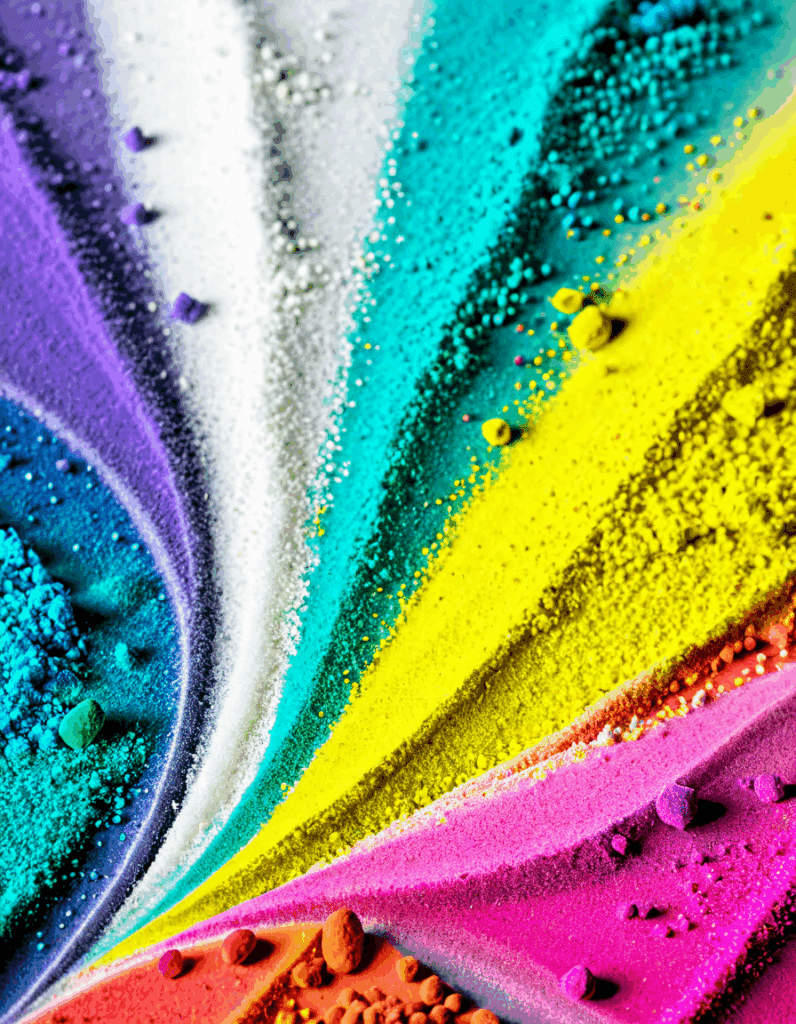
So, what is PCP angel dust exactly? Phencyclidine, widely known as PCP, emerged in the 1950s as a human anesthetic. It operates by interacting with the brain’s NMDA receptors and significantly alters a person’s perception of reality. While PCP is the most well-recognized form, it’s critical to note that “angel dust” might refer to various substances that are similar in effect. This compound can appear as a white powder or in crystalline form, often combining with other drugs, increasing the danger associated with its use.
PCP is illegal in many parts of the world today, but its use persists in underground circles. Users often don’t realize that this seemingly innocuous substance can lead them onto a perilous path. As families search for answers, they frequently ask, “What is the drug angel dust capable of doing?” The reality can shatter illusions, revealing a landscape filled with risk.
Effects and Dangers: The Dangerous Effects of Angel Dust
Understanding the question “what is angel dust the drug,” requires delving into its severe consequences. The dangers associated with angel dust usage can transform lives instantly—often negatively. Users often navigate through a minefield of psychological and physiological impacts that are alarming and multifaceted.
Psychotic Episodes: Angel dust can trigger severe paranoia, delusions, and uncontrolled violent tendencies. Users describe experiences of losing the ability to distinguish between reality and hallucination, sending them into a spiral that can endanger themselves and others.
Physical Reactions: The immediate reactions to PCP can be just as frightening. Increased heart rate, spike in blood pressure, and in extreme cases, respiratory failure are just some dangers. It’s crucial to understand these risks, especially for young people who may not fully grasp the implications of their choices.
Long-term Effects: Those who fall into the abyss of PCP addiction often face lingering effects, including cognitive impairments, memory issues, and chronic psychological disorders. Prolonged use can create a profound sense of disconnection from reality, akin to severe depression, further complicating the lives of users and their families.
What Is the Drug Spice? A Comparative Look
Diving deeper into the world of mind-altering substances, one might ask, what is the drug spice, particularly in comparison to angel dust? Both drugs create altered states of perception, yet they operate differently. Spice comprises a concoction of synthetic chemicals meant to mimic THC, the psychoactive compound in cannabis. However, with spice, the unpredictability of its ingredients results in effects that can be more potent and hazardous. Users may face elevated heart rates, panic attacks, or even seizures.
Unlike angel dust, which can spur aggression, spice tends to evoke significant anxiety and fear. This is especially concerning for parents who might confront their children’s choices—these substances often blend into party culture but can destabilize lives in mere moments.
What Is Angel Dust Drug: Cultural Context and Misconceptions
Historically, the term angel dust found itself embraced by popular media during the 1970s and 1980s, often glamorized in ways that obscured its dire repercussions. High-profile cases, such as that of musician Darryl Strawberry, who faced the grim reality of addiction, have opened up discussions about PCP abuse. The contrast between the cultural allure and the harsh truths of addiction can create misunderstandings that mislead the public about what is angel dust truly capable of doing.
The glamorization of substances like angel dust has distanced communities from the harsh realities families wrestle with daily. Misconceptions must be addressed head-on to create a well-informed public that understands the dangers of addiction. When families face the impact of addiction, knowledge becomes their strongest ally.
What Is the Drug Molly: Another Misunderstood Substance
Molly (MDMA) is often mistakenly grouped with substances such as PCP due to its recreational appeal, especially in certain social settings. But what is the drug molly in comparison to angel dust? While both are psychoactive, MDMA uniquely increases serotonin levels, creating feelings of empathy and emotional attachment. However, indulging in Molly can lead to severe health risks like dehydration, extreme body heat, and potential long-term mood disorders. This contrast highlights the dissociative and psychotic tendencies associated with angel dust, rendering the substances vastly different.
As parents elucidate these differences, it’s paramount to provide guidance focused on prevention. Resources and support like those offered by Mothers Against can empower families navigating these treacherous waters.
Real-Life Consequences: Stories of Addiction and Loss
The stories surrounding angel dust addiction are often heart-wrenching. Take the case of Jake, a promising young man whose life unraveled on the twisted path of PCP use. His tale reflects the very heart of addiction’s danger—legal troubles, job loss, and fractured relationships were just the beginning. In a tragic turn of events, Jake lost his life, a grim reminder of the drug’s deadly reach. Such stories echo through communities, compelling us to confront the stark realities of angel dust’s impact.
As shared narratives of addiction spread, they serve as poignant reminders of the urgent need for both awareness and support. Families are left to navigate the lonely aftermath, often without a roadmap. The resource platform provided through Mothers Against stands proudly as a sanctuary for those dealing with similar challenges.
The Path to Recovery: Seeking Help for Addiction to Angel Dust
Recovery from the grips of angel dust addiction isn’t merely about abstaining from use; it’s about embracing a fuller journey that often includes healing and understanding. Many find solace in comprehensive support systems that include therapy, medical detox, and community programs. Organizations like Mothers Against offer invaluable resources for families facing the devastation of addiction.
Starting the conversation about addiction can seem daunting, yet it’s crucial in providing parents with the support they need. Understanding the addiction cycle and knowing where to seek help can not only change a life but also bring hope to a family weary from loss and struggle.
Moving Forward: Addressing the Crisis
We need to tackle the mischaracterization and misuse of drugs like angel dust with urgency. Education is our greatest weapon against the escalating crisis of addiction. By fostering open discussions within communities and sharing real-life stories, we create an environment where prevention and recovery exist hand-in-hand.
As we help families understand the complexities of drugs like angel dust, we move closer to healing. Let’s join forces to ensure our children—and their futures—are confronted with support, knowledge, and love. Each conversation, each resource shared, can be a crucial step toward reclaiming lives from the clutches of addiction.
For more information about addiction and how to find support, don’t hesitate to explore the resources on Mothers Against. Together, we’re not just fighting a battle; we are embracing hope and building futures.
What Is Angel Dust The Drug?
Angel dust, known scientifically as PCP (phencyclidine), is a highly dangerous dissociative drug that can cause users to feel detached from reality. Initially developed in the 1950s as an anesthetic, its use quickly turned problematic due to severe side effects. The link between PCP use and violent behavior gained attention, leading to the drug’s ban in the 1970s. Interestingly, it’s one of those drugs that make you think twice, like pondering if Is morphine an opiate. It’s a tough call!
The Effects of Angel Dust
Users of angel dust often experience a wild rollercoaster of effects, from hallucinations to out-of-body experiences. You might hear people saying they can’t feel pain, which can lead to incredibly risky behaviors. Some even report feeling like they’re floating or seeing colors differently, much like the mesmerizing patterns you might find in a Cnc router. In a tough situation, similar to when you’re dealing with a Dui Bac case, being unaware of your surroundings can be catastrophic.
Sobering Statistics and Facts
The statistics around angel dust use are sobering. According to studies, one in ten who try PCP may become addicted. It’s like trying to convince someone with a habit to don ’ t do Drugs and ensure they steer clear. Notably, PCP can be mixed with other substances, just as some adventurous foodies might mix their favorite dish at the House Of Nanking. Alas, unlike cooking, mixing drugs can lead to severe, often deadly consequences, drawing an unsettling parallel with risks related to Pyrrolidinopentiophenone or other synthetic drugs.
Angel dust isn’t just a recreational drug; it has real-life implications for those who fall into addiction. The impact it has on families is far-reaching, similar to booking a hotel in Ithaca NY for a long-term stay just to help loved ones recover. Whether you’re confronting addiction or simply curious about the topic, understanding the dangers of angel dust is worth your attention.