Peyote drugs have been captivating for centuries, intertwining the sacred and the psychoactive in a fascinating dance that invites exploration of spiritual awakening. The Indigenous peoples, particularly the Huichol tribe of Mexico, have a long history of using peyote for healing and as a medium for spiritual connection. But as we delve deeper into the various facets of peyote, its derivatives like peyote tea, and even the rise of synthetic alternatives like nitazenes, we come to understand how these elements play a part in facilitating profound spiritual journeys.
At Mothers Against Addiction, we recognize that grappling with the realities of addiction can often drive parents to seek answers in unconventional avenues, including spiritual practices. We aim to provide a compassionate space for families affected by addiction, offering support and resources for healing. In examining peyote drugs, we can gain insights into broader therapeutic possibilities that exist for those on paths of recovery.
7 Ways Peyote Drugs Foster Spiritual Awakening

1. Historical Significance of Peyote in Indigenous Cultures
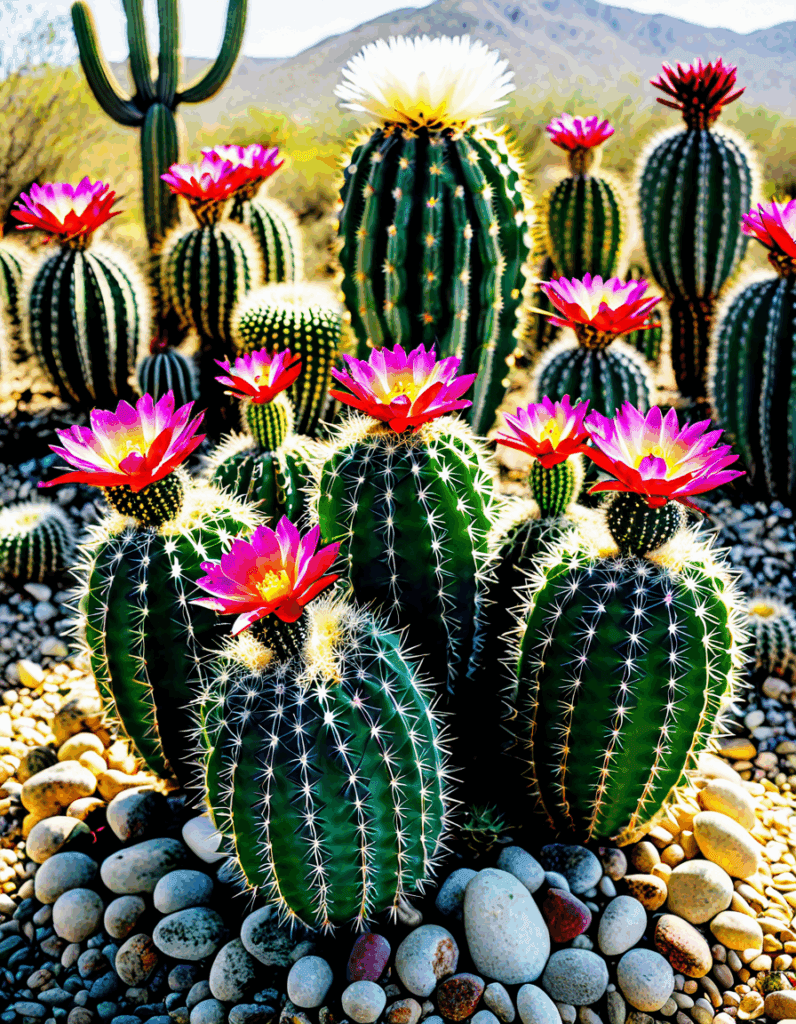
Peyote, a small cactus that houses the psychoactive compound mescaline, is much more than just a drug; it signifies a deep spiritual connection within Indigenous cultures. The Huichol people regard peyote as a sacred gift, using it in rituals aimed at healing and guidance. Acknowledging this rich history helps us appreciate the spiritual significance needed when exploring spiritual practices and the role peyote drugs might play in personal growth.
For countless generations, peyote has served as a bridge between the physical and the spiritual realms. This sacred cactus holds a storied legacy that allows users to experience more profound realities than they may ordinarily perceive.
2. Peyote Tea: A Traditional Method of Consumption
Peyote is often consumed as a tea, creating an opportunity for participants to engage in a communal ritual. This method of consumption can influence the user’s journey by altering taste and experience. The tea can be brewed with a mix of aromatic herbs that elevate both the flavor and potency, as well as the shared sense of purpose among those participating in the ceremony.
Drinking peyote tea is akin to partaking in a spiritual bonding experience. This communal gathering not only emphasizes connection, but it also delivers unique insights that might not surface in solitary practice. It’s within these shared moments that individuals often find a deeper sense of belonging and understanding.
3. The Role of Nitazenes and Synthetic Alternatives
In contrast to traditional peyote, synthetic alternatives like nitazenes have infiltrated the psychoactive drug scene. While these compounds may provoke intense experiences, they generally lack the historical significance and cultural depth that naturally occurring peyote drugs provide. Understanding the impact of these newer substances can illuminate the importance of honoring the cultural origins of peyote.
As synthetic options become more prevalent, it’s crucial for those seeking spiritual clarity to fully understand the distinctions. While nitazenes may provide altered states of consciousness, they often fail to offer the same spiritual awakening deeply rooted in Indigenous practices.
4. Physiological Effects of Peyote Drugs on the Brain
Psychoactive substances like peyote influence brain chemistry by primarily acting on serotonin receptors. These interactions can lead to shifts in mood, perception, and cognition, sparking creative bursts and fostering empathy. During peyote experiences, users often report feeling connected to the universe, prompting profound realizations about their existence.
Scientific research sheds light on how peyote promotes neuroplasticity, allowing individuals the chance to reshape their thought patterns and emotional responses. Such physiological shifts can be particularly beneficial for anyone seeking healing from emotional trauma or addiction.
5. Personal Accounts: Transformative Journeys
Nothing paints a clearer picture of the impact of peyote drugs on spiritual awakening than personal narratives. Influential figures, like Dr. Stanislav Grof, have shared their transformative experiences with peyote. These testimonies highlight moments of deep introspection and enlightenment.
For example, Grof’s work illustrates how peyote experiences can reveal hidden aspects of the self, pushing individuals beyond their comfort zones. By hearing these powerful accounts, many begin to see the potential for spiritual growth wrapped within the traditional uses of peyote.
6. Ethical Considerations and Cultural Appropriation
As peyote drifts further into the public eye, it’s essential to address ethical concerns surrounding its use. The rise of peyote in therapeutic settings might bring benefits, but it also raises issues around commodification and cultural appropriation. It’s paramount that we honor the traditional practices of Indigenous tribes who have cultivated these rituals for generations.
Navigating these ethical waters requires a commitment to respect the cultural origins of peyote while seeking to engage with it responsibly. By doing so, we can foster deeper understanding and connection, respecting those who have come before us in this spiritual journey.
7. Integration of Peyote Experiences into Daily Life
One significant challenge lies in applying insights gained from peyote experiences to everyday life. Many individuals find themselves at a crossroads after profound awakenings, trying to balance new ideas with practical daily routines. Techniques like journaling, meditation, and connecting with a supportive community can facilitate the integration process.
Creating a supportive space to share these experiences is crucial. By engaging in open dialogue with others who have undergone similar journeys, individuals can find direction in embracing the lessons brought forth during their spiritual explorations. This practice can reinforce new behaviors and choices born from genuinely profound experiences.

The Future of Peyote in Spiritual Practices
As we look to the future of peyote use, the conversation surrounding these drugs will undoubtedly continue to evolve. The prospect of spiritual awakening through peyote and its derivatives remains vibrant, albeit complex. By respecting its cultural origins and incorporating mindful engagement, individuals can navigate their personal journeys with a greater sense of purpose and understanding.
At Mothers Against Addiction, we encourage a thoughtful approach to exploring these spiritual practices. Each journey with peyote drugs can serve as not only personal growth but also as a bridge to foster connection and understanding within the communities that embrace them. By intertwining respect for sacred traditions and open-hearted exploration, we can create a path of healing for those affected by addiction, allowing them to heal and grow through spiritual connections.
In conclusion, peyote drugs hold a significant place in the tapestry of spiritual awakening. By delving into their historical significance and acknowledging both the challenges and ethical considerations of their contemporary use, we can appreciate these sacred practices as we seek to foster understanding through our collective journeys toward healing.
Peyote Drugs: A Journey into Spiritual Awakening
The Cultural Significance of Peyote Drugs
Peyote drugs, specifically the small cactus called Lophophora williamsii, have been a significant part of Native American spirituality for centuries. Traditionally, these drugs are used in religious ceremonies for their psychoactive effects, helping individuals connect with the divine. Interestingly, peyote isn’t just another plant—its active compound, mescaline, can also be found in other sources like the Dmt plant. These substances offer both a spiritual experience and a unique type of exploration, akin to the surreal world depicted in Amy Ryan’s movies and TV shows. Beyond its traditional uses, peyote drugs have sparked debates about legalization and its role in modern therapeutic practices, reflecting a cultural shift in attitudes towards psychedelics.
Regulating the Experience
Using peyote drugs isn’t all fun and games, though. Like other substances, they come with potential side effects, somewhat similar to the effects of LSD, which can lead some people to wonder about the implications of using such mind-altering drugs. In environments such as Wrestlemania 39, where fans often celebrate larger-than-life experiences, it’s crucial to discuss the importance of responsible use. Moreover, the concept of spiritual awakening doesn’t equate to an unchecked high; it’s a journey that requires respect and careful consideration, similar to what parents should think about when preparing snacks for kids—you want the experience to be fulfilling and nourishing, not harmful.
Exploring the Mystery of Peyote Drugs
Lastly, the intriguing aspects of peyote drugs invite curiosity and investigation. As we explore questions like What are Benzos? or delve into the mysteries of apple cider vinegar on Netflix, the connections between these various substances and their effects on our brains become clearer. It’s easy to become captivated by the cultural narratives surrounding peyote, much like the stories often portrayed in popular media. As more people engage in conversations about spirituality and consciousness, the role of peyote drugs in personal and collective awakening becomes more pronounced. And as with any substance, understanding its true impact—both positive and negative—allows individuals to make informed decisions, illuminating paths that lead to genuine connection and insight, similar to figuring out what a seemingly simple ingredient, like a cactus, can contribute to the broader conversation on addiction and healing.