Peyote, a small cactus native to northern Mexico and the southwestern United States, holds a treasure trove of potential benefits. For centuries, it’s been part of cultural practices, especially among Indigenous peoples who use it for its psychoactive properties. The active compound in peyote, mescaline, has piqued the interest of modern researchers and mental health professionals, highlighting various benefits of peyote that may help many navigate the darkness of addiction or mental health struggles. For parents wrestling with the impact of addiction on their children, understanding these benefits can offer a flicker of hope amid heartache.
As we explore the benefits of peyote, we recognize the profound connection it fosters not only with oneself but also with the universe at large. The remarkable healing properties of peyote may offer pathways to healing, insight, and compassion, resonating with those who seek support and solace in challenging times.
7 Remarkable Benefits of Peyote
One of the compelling benefits of peyote is its remarkable influence on mental health. Studies at the University of California, San Francisco, have shown that mescaline can work wonders in reducing anxiety and depression symptoms when used in a supervised and supportive environment. Imagine the relief of parents who yearn to see their children smile again, free from the grasp of distress. The insights gained during these experiences can pave the way for healthier coping mechanisms and emotional resilience.
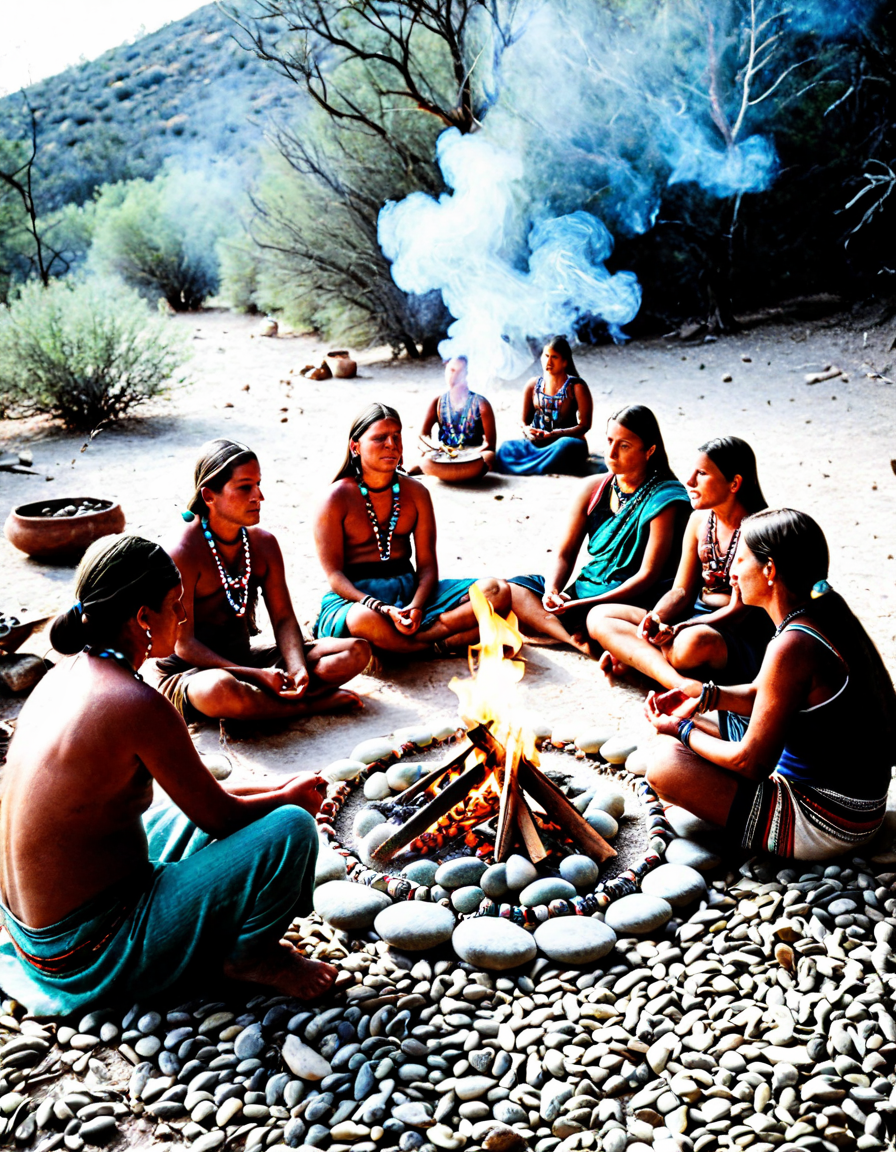
Peyote serves as a bridge to spiritual connection in many Indigenous communities, helping individuals experience profound personal insights. Dr. Michael Harner, a well-known anthropologist, discussed the transformative shamanic practices involving peyote, emphasizing the peace and fulfillment it brought to participants. For parents, understanding these spiritual benefits can inspire new ways to support their children, enabling them to find their own paths towards inner peace.
Artists from musicians to writers have often turned to peyote for a boost in creativity. Carlos Santana openly credits his experiences with peyote for guiding him through artistic breakthroughs that span genres. Parents, recognizing the urge to create and express, might foster environments that encourage exploration and innovation as their children seek healthy outlets amid struggles.
Emerging studies hint at peyote’s potential pain-relieving properties. A notable study published in the Journal of Psychoactive Drugs found that chronic pain levels dropped among mescaline users. This promising insight opens doors for those battling conditions that often accompany addiction, such as fibromyalgia and migraines. Parents can take solace in the possibility that therapeutic uses of peyote may ease their children’s physical suffering too.
Researchers are looking at peyote as a potential ally in tackling addiction. Notably, studies from Johns Hopkins University suggest that psychedelics can offer fresh perspectives and break the addictive cycle. This information can be life-affirming for parents worried about their children sunk in substance dependency, offering a glimpse into alternative paths toward recovery — paths full of hope and healing.
Those who partake in peyote often express a profound appreciation for the environment. Participants frequently report a feeling of unity with nature during ceremonies. This connection can inspire eco-awareness and revitalize one’s purpose in caring for the planet. For parents, helping their children reconnect with nature could foster healing and a sense of belonging outside of addiction.
Engaging experiences with peyote can significantly improve cognitive flexibility. According to research from Imperial College London, participants exhibited heightened cognitive diversity, allowing them to view challenges from varied angles. This newfound adaptability in problem-solving can empower individuals navigating life’s difficulties, particularly those combatting mental health issues.

Definition of Peyote: More Than Just a Cactus
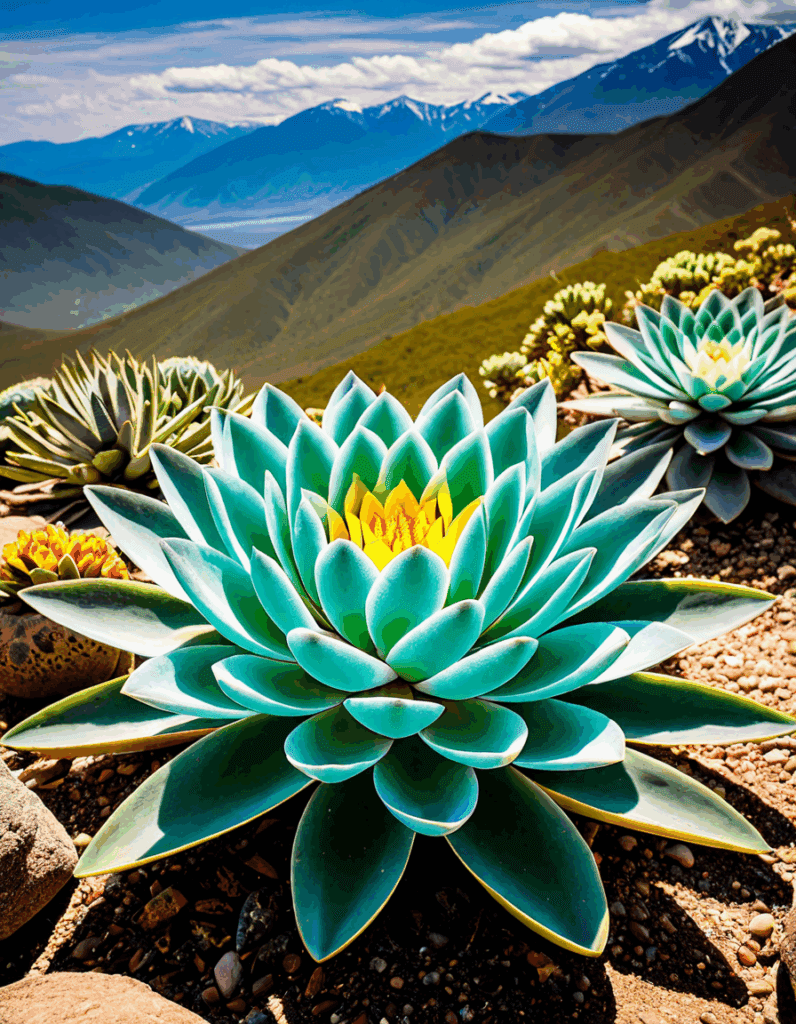
To delve deeply into the benefits of peyote, we first need to clarify what it is. Peyote (Lophophora williamsii) is a small, spineless cactus. This vibrant plant contains mescaline, a psychoactive alkaloid that has historically played a significant role in Native American spiritual rituals aimed at accessing altered states of consciousness. Although its use is regulated in many countries, peyote remains an integral part of several Indigenous cultures, fostering resilience and community.
Modern Applications and Research
As society’s perception shifts toward the acceptance of psychedelics for therapeutic purposes, research into peyote’s applications continues to flourish. The Multidisciplinary Association for Psychedelic Studies (MAPS) leads efforts to investigate mescaline’s efficacy, revealing promising benefits for improving mental health and quality of life. For parents of children struggling with addiction or mental health challenges, this growing body of evidence may spark new conversations on holistic, inclusive treatment options.
The Path Ahead: Future of Peyote Research and Use
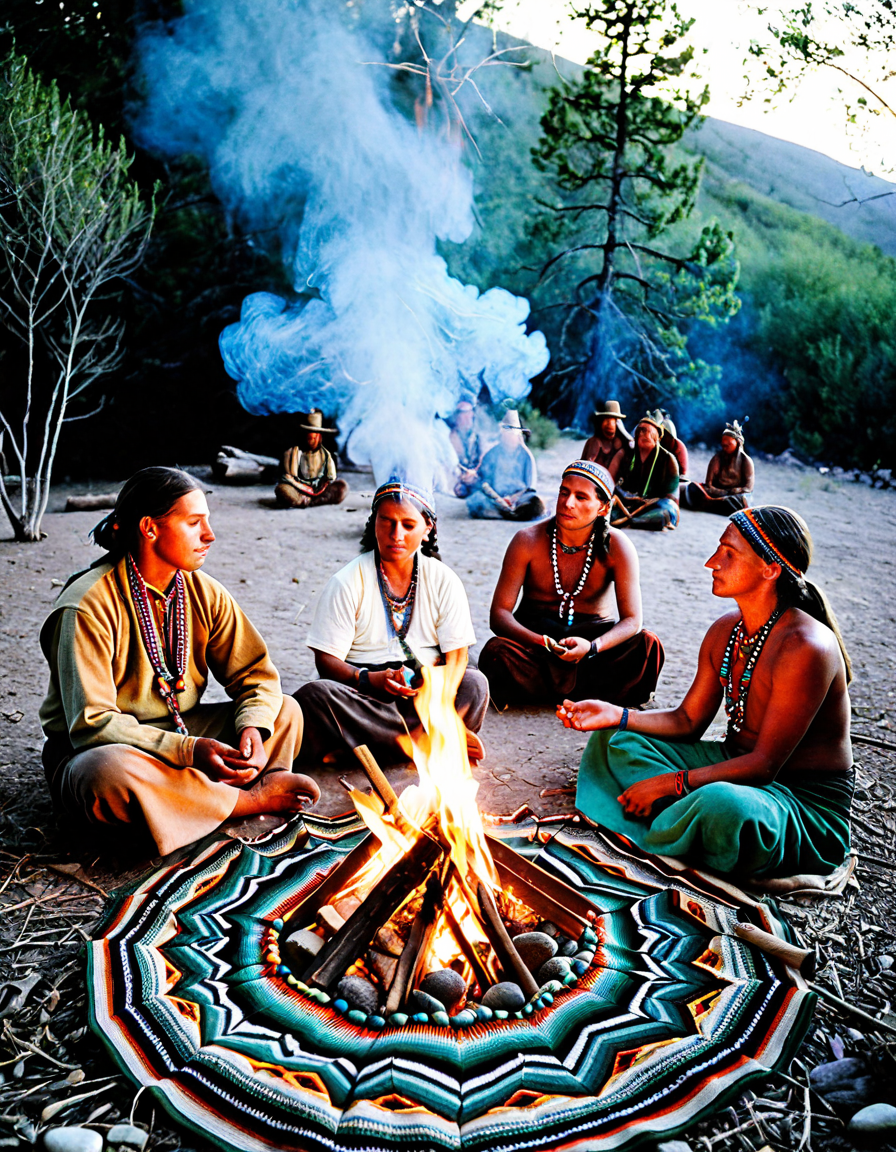
As acceptance of psychedelics like peyote rises, it’s vital to approach these discussions with respect for Indigenous voices and practices. Ensuring that their wisdom guides this evolving landscape can honor centuries of experience while enriching modern practices. The ongoing exploration of peyote’s healing properties holds promise not just for individual recovery but also for all who seek a cohesive relationship with nature, creativity, and well-being.
In conclusion, the narrative surrounding peyote and its remarkable healing properties continues to unfold. As science unveils the benefits of peyote, the discussions surrounding it remind us of the resilience found in love, community, and hope. For parents enduring the distress of watching a child struggle against addiction, understanding and embracing these potential benefits might illuminate paths toward healing and connection—reaffirming that no one is alone in this journey. Let’s continue to support one another as we explore all avenues of healing, turning our collective experiences into strength and compassion for those we cherish.
For insight into addiction treatment and resources, visit MothersAgainstAddiction.org — together, we’ll shine light on the way forward.
Benefits of Peyote: Fun Trivia and Interesting Facts
Nature’s Gift in Healing
Peyote, a small cactus native to the southwestern United States and Mexico, has been known for its remarkable healing properties, particularly through its psychoactive component, mescaline. Interestingly, recent studies suggest that this ancient plant could offer relief for those struggling with addiction by promoting introspection and emotional connection. In fact, findings from a national survey on drug use And health indicate that up to 25% of American adults have reported trying some form of psychedelic as a means to address personal challenges. This speaks volumes about the benefits of peyote and its potential to heal.
The Healing Journey
The benefits of peyote extend beyond just emotional healing; they touch on cognitive functioning as well. Some researchers believe that the effects of peyote can help in stimulating creativity and enhancing focus, much like what’s been observed in similar therapies like ketamine. Curious about how that works? You can learn more about How Does ketamine therapy work here. On a lighter note, did you know that Provo, Utah, is just a hop away from areas where peyote is traditionally harvested? It’s fascinating to think how local geography can influence the understanding and use of these natural healing tools.
Surprising Insights
Here’s a fun tidbit: Traditional ceremonies using peyote often extend for hours, guiding participants through spiritual and emotional landscapes. Celebrities have even begun shedding light on the benefits of peyote; in fact, figures like Taj Bradley have publicly opened up about their experiences with mind-expanding substances. It’s not just about getting high; it’s about transformative journeys toward healing. Additionally, while peyote is legal for some religious rituals in the United States, it’s essential to approach its usage responsibly – much like understanding logistics, such as Does Ups deliver on Sundays? Just a little humor to keep things light while discussing serious topics!
As the conversation around psychedelics continues to progress, the awareness of their benefits, including those of peyote, becomes increasingly critical. Just like the insights from studies like Ceva tracking reveal patterns in consumer behavior, understanding the benefits of peyote could help foster a new approach to healing and wellness in our communities. There’s also a curious link between peyote and the compound DMT; if you’re wondering What Does Dmt stand For, it’s perfect for delving deeper into this fascinating subject! Overall, the potential benefits of peyote are worth exploring, keeping in mind the importance of context and reverence.