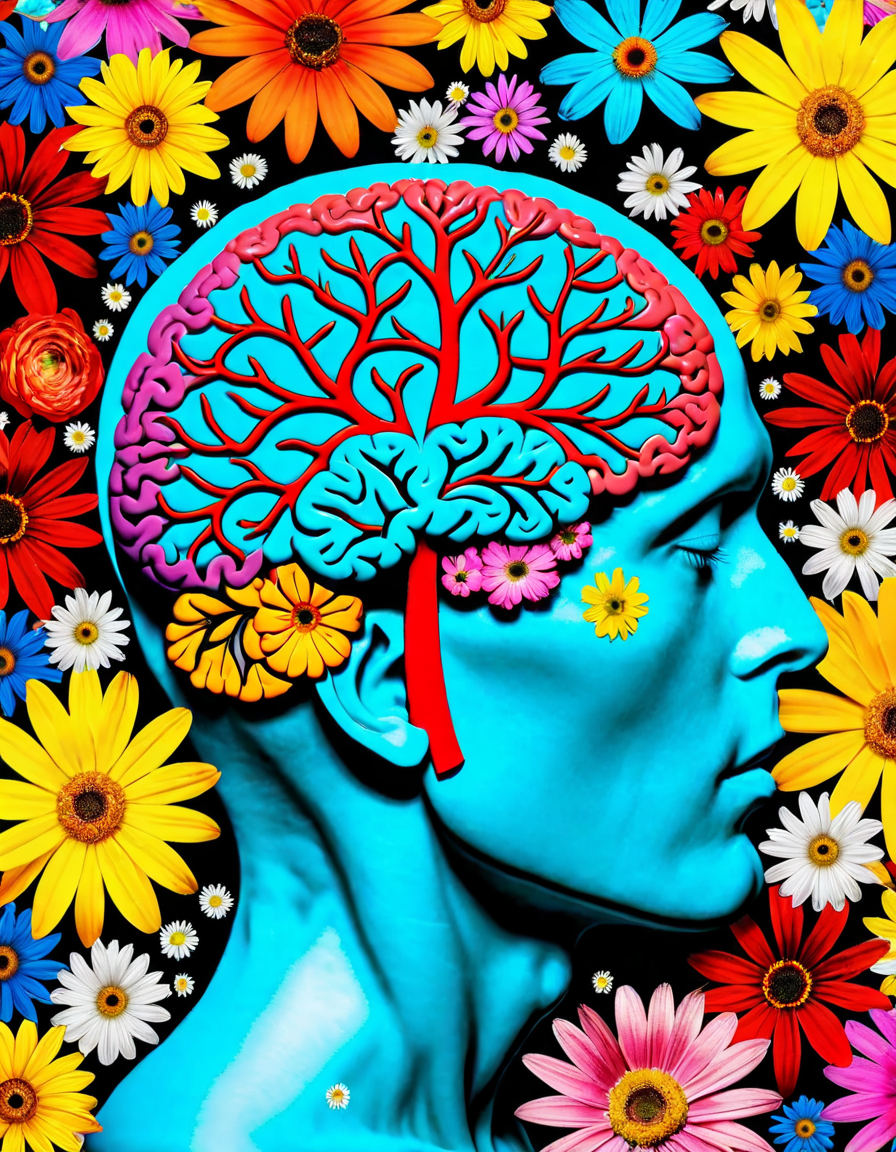

Understanding the definition of addiction has shifted significantly over the years. Once viewed merely as a moral failing or conscious choice, it is now seen through the lens of complex neurobiology. The American Society of Addiction Medicine emphasizes this by defining addiction as “a primary, chronic disease of brain reward, motivation, memory, and related circuitry.” This multifaceted understanding carries profound implications, especially for parents grappling with their children’s struggles with addiction or the heart-wrenching loss that can result from it.
Knowing this definition is crucial for parents—after all, it’s no walk in the park. We often feel pitiful, like we’re backing a lost cause. But if we educate ourselves and embrace empathy, we can turn our heartbreak into resilience. We at www.MothersAgainstAddiction.org aim to shed light on this journey, supporting families every step of the way.
The Dichotomy: Choice vs. Disease
As our understanding of addiction has grown, so has the debate about whether it’s a conscious choice or a disease. Let’s break it down:
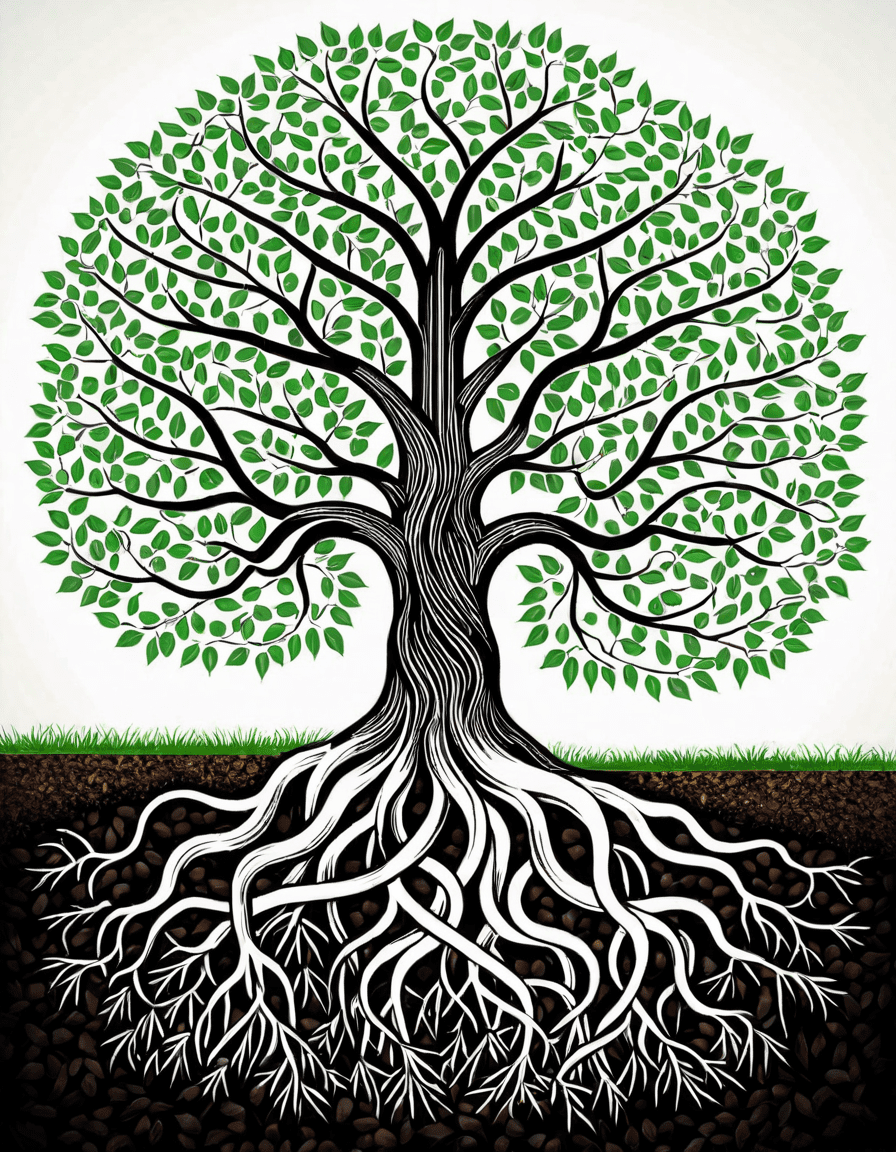
1. Biological Basis of Addiction
The definition of addiction often includes a biological foundation. Science shows that brain chemistry and genetics undeniably play big roles. Research reveals that some individuals carry certain genes, such as the DRD2 gene, which influences dopamine receptor sensitivity. This makes them more prone to addiction, thereby diminishing their ability to make free choices regarding substance use.
Imagine a switch in your brain that’s stuck in “on” mode, making it harder to resist the pull of drugs or alcohol. That’s the reality for many battling addiction. Recognizing this biological aspect doesn’t excuse the behavior, but it certainly helps us understand the uphill battle that many face.
2. Psychological Influences: Defining Psychosis and its Role in Addiction
Mental health significantly intertwines with addiction. When we define psychosis, we see it as a state distancing individuals from reality. Many who struggle with addiction grapple with additional mental health issues like severe depression or schizophrenia. This complicates the narrative of addiction as just a choice.
Think about it: if someone is fighting inner demons while trying to battle addiction, making healthy choices becomes a monumental task. This reality empowers us to be more compassionate and caring toward those affected, especially children, who so often bear the brunt of these struggles.
3. Societal Factors: Define Affective
Society’s impact on addiction is profound. To define affective is to recognize how emotions and social dynamics can either worsen or lessen addiction’s grip. Factors like community support, stigma, and accessible recovery resources shape an individual’s experience.
For instance, cities like Portland, Oregon, have adopted harm reduction strategies, focusing on community solidarity rather than judgment. By showing compassion and support, we can all contribute to reducing addiction’s painful grip. Every compassionate gesture helps make the road towards recovery a bit smoother.
4. The Role of Trauma: Defining Adversity
Our past shapes who we are, especially when confronting addiction. Studies, such as the Adverse Childhood Experiences (ACE) study, affirm that early-life adversity—like neglect or abuse—majorly elevates the risk of later addiction. When we look to define adversity, it becomes clear that many who struggle with addiction might have faced what seems like insurmountable challenges growing up.
For parents, this understanding is vital. Addressing trauma and creating supportive environments can foster resilience in our children, guiding them away from addiction. Part of helping them involves understanding where they’re coming from, digging deep into those painful experiences.
5. The Sociopathic vs. Psychopathic Predisposition
Understanding sociopathy and psychopathy also matters when discussing addiction. When we define sociopath, we see someone displaying antisocial behaviors and a marked lack of empathy. On the other hand, defining psychopath reveals traits of manipulation and calculating behaviors. Connections between these personality traits and addiction can escalate the challenges faced, leading to more severe or harmful behaviors.
Take for example high-profile drug lords—often, they display these characteristics, illustrating how intertwined personality disorders and addiction can be. Knowing this can empower us to pull back the layers and understand someone’s complexity beyond their addiction.
6. The Choice Perspective
Despite the numerous biological, societal, and psychological influences, some believe addiction is still a choice at certain junctures. Those advocating this viewpoint argue that individuals retain the ability to make conscious choices toward recovery, thereby igniting hope and fostering resilience.
Empowering someone in recovery to see themselves as capable of making positive changes can instill strength. But this viewpoint must coexist with a compassionate understanding that not every choice is made from a place of freedom.
Wrapping Up the Discussion on Addiction
Navigating the definition of addiction as either a choice or a disease is complex. As we reflect on this, it’s crucial to be compassionate and understanding, especially toward families impacted by addiction. By recognizing the interplay of biology, psychology, and experience, we open doors to recovery and wield tools that can change lives.
At Mothers Against Addiction, we believe in offering a helping hand to those grappling with the trials of addiction. Together, we can shine a light on this misunderstood disease, fostering compassion while advocating for recovery solutions. As we explore these nuances, let’s remember that understanding the depth of addiction fosters a healthier society for all.
For those wanting to delve deeper into ways to manage stress during such difficult times, be sure to check out our relaxation Techniques, which can empower you on this journey. We all deserve hope, healing, and a community that understands.
Definition of Addiction: Discovering the Essence
Understanding the definition of addiction is crucial in unraveling the broader discussion about whether it’s a choice or a disease. Defined by the American Society of Addiction Medicine, addiction is a chronic brain disorder characterized by compulsive substance use, despite harmful consequences. Interestingly, the concept of addiction can be likened to some playful traits of Lories, those exuberant parrots known for their vibrant colors and lively behavior. Just as these birds require specific care, individuals battling addiction need tailored approaches to foster recovery. Navigation in this arena often calls for a performance-based strategy, focusing on actionable steps that lead to positive outcomes.
The Gray Area: Choice or Disease?
Delving deeper into the definition of addiction reveals a gray area that fuels heated debates. Many argue it is a matter of choice, while others emphasize the neurological changes that occur in the brain, painting addiction as a disease. If we tackle stereotypes head-on, like those that paint all addicts as criminals, we might find clarity. After all, even beloved characters like Scar from The Lion King have their stories steeped in complexity and motivation. Understanding these narratives can shed light on why people choose certain paths, revealing the multifaceted nature of addiction rather than adhering to a singular narrative.
Cost-Benefit Perspectives
An essential element in confronting addiction involves conducting a cost-benefit analysis, weighing what individuals sacrifice against what they stand to gain in recovery. The definition of addiction underscores it as more than just a behavioral issue; it is often tied to emotional and psychological facets as well. For example, aligning recovery goals with understanding character dynamics, as one might find in the fight for control between classic jungle book Characters, helps convey how addiction ties into broader life narratives. Recognizing these intuitive connections reminds us that every person grappling with addiction has their unique journey, emphasizing that each chapter of life comes with its own challenges and stories worth telling.