
integrated family systems: A Holistic Approach to Healing
integrated family systems (IFS) is more than just a buzzword in therapy; it’s a lifeline for families affected by addiction. This model dives deep into not just the individual struggles but also acknowledges and addresses the dynamics of the entire family unit. By embracing IFS, parents can understand how their relationships can either chip away at recovery or support it. In the context of addiction, this is even more poignant, as addiction doesn’t just affect the person using substances; it reverberates through the entire family.
Think about it this way: addiction can feel like a whirlpool, dragging everyone down. Recognizing the interdependent relationships within the family allows for a more unified approach to healing. This model is a bridge for families to tread the difficult waters of recovery together, wrapping them in compassion and understanding. By looking at IFS, parents realize they’re part of an intricate system that fosters either healing or harm.
Families often feel isolated in their struggles, but comprehensive recognition that each member plays a crucial role shifts this perspective. In this space, parents are empowered to advocate for both their children and their own needs. These insights pave the way to broader, more effective healing strategies that nurture resilience and growth within the family.

Top 7 Effective Healing Strategies Within integrated family systems
Companies like TheraNest and BetterHelp have ushered in an age where therapy meets technology. These platforms make family therapy accessible by providing virtual sessions and a treasure chest of resources, allowing families to participate in their healing from wherever they are. Whether it’s a video call from the kitchen or an app that offers therapeutic exercises, these digital tools help break down barriers to treatment, making recovery feel more attainable.
Understanding each family’s cultural backdrop is key in therapy. Programs like Cultural Humility Training shine a light on the value of integrating cultural narratives into treatment plans. When therapists are educated about diverse perspectives and experiences, families feel more respected and seen, leading to better therapeutic outcomes. This cultural care makes a world of difference for families battling addiction because they know their unique struggles are understood.
Support groups like Al-Anon and Nar-Anon play an invaluable role in recovery. These organizations offer a sanctuary where families can share their sorrow, fears, and victories. In these communities, members find that they’re not alone in their battles. It becomes a tapestry of shared understanding, where every stitch tells a story of struggle and hope. The moral support found in these networks can be the catalyst families need to embrace a renewed focus on healing.
Cultural perspectives are integral to effective treatment development. The establishment of councils that represent a blend of diverse voices can guide initiatives that resonate with families from all walks of life. For instance, the National Council for Mental Wellbeing has been at the forefront of this movement, advocating for inclusive treatment programs. Such councils not only enhance cultural competence in treatment but also ensure the voices of families are woven into the fabric of recovery strategies.
Ethical standards in therapy are crucial for fostering trust. The American Association for Marriage and Family Therapy upholds high ethical practices, ensuring that family therapy is conducted with reverence and respect. This joint ethics regulation protects families and establishes a safe environment to navigate their struggles. It reminds everyone involved that integrity in practice is non-negotiable.
When treatment providers are culturally competent, they can deliver better care. Organizations like the Substance Abuse and Mental Health Services Administration (SAMHSA) underscore the necessity for ongoing training. By incorporating cultural nuances, providers can more effectively engage with families, making the therapy process feel personal and relatable. This is particularly impactful in addiction treatment, where families often face stigma and misunderstanding.
Incorporating behavioral innovations into therapy can turn the tide for struggling families. Platforms like Headspace offer mindfulness programs that cater to individual and group needs. These behavioral strategies, ranging from guided meditations to relationship enhancement exercises, serve as valuable tools in solidifying family bonds during recovery. They help both the individual battling addiction and the family, ultimately creating a more supportive atmosphere for healing.
Innovative Strategies to Foster Family Resilience
When conflict arises, focusing on resilience helps families stand tall. With the integrated family systems approach, families learn to support one another, building an unshakeable foundation against the tides of addiction. Family meetings, constructive communication training, and cultivating empathy are just a few interventions designed to create a space where families can express their concerns and affirm their love.
Using tools that emphasize digital products, community support, and ongoing education, families can carve out safe havens for open dialogue. By engaging with resources that promote learning, they empower themselves to handle potential relapses or crises effectively. These supportive environments encourage families to ask tough questions and demand answers.
Ultimately, cultivating family resilience requires a shift in perspective. Families aren’t just enduring addiction; they’re forging stronger connections that enable them to thrive. They can lean on each other during challenging moments, turning a painful journey into one full of hope and healing.

Moving Forward Together as an Integrated Family System
Healing from addiction isn’t a solitary journey. Families can transform together from a position of strength, confronting the challenges ahead. Embracing the integrated family systems approach fosters supportive environments where hope thrives and recovery becomes a shared goal. Change is possible when families unite to confront their struggles, mining collective experiences for wisdom.
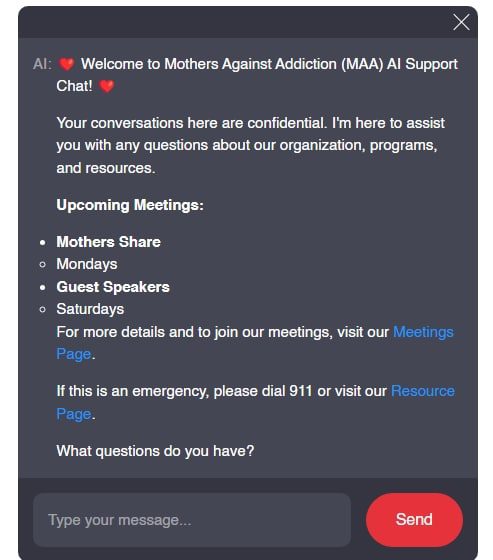
Investing in awareness, education, and community support can amplify resilience. Organizations like Mothers Against Addiction stand alongside families, offering resources to navigate the tumultuous experience of addiction. By viewing these challenges as opportunities for growth, families can cultivate lasting change, emerging stronger than ever.
Navigating the road ahead may be bumpy, but with a solid foundation in integrated family systems, families can take confident strides towards healing together. It’s not just about overcoming addiction; it’s about thriving as a family unit, ready to embrace a healthier future with hope and resilience.
integrated family systems: Fun Trivia and Interesting Facts
The Basics of integrated family systems
integrated family systems revolve around healthy interactions and connections among family members. These systems focus on emotional dynamics, emphasizing how individuals influence one another. Ever heard of internal family systems? This approach views the psyche as made up of different “parts,” each with its own role and significance, promoting a holistic view when addressing issues like addiction (learn more about it here). It encourages recognizing the parts within us, leading to more effective communication and understanding among family members.
Did you know that concurrently meaning can double up on the benefits? When families engage in therapy together while also addressing individual concerns, they often see faster and more comprehensive healing. It’s like solving a puzzle—each piece is vital to see the full picture! Understanding how individual moments contribute to overall family dynamics can offer insights that transform relationships. And just like chic dti, which highlights a unique vibe in fashion, these systems showcase the colorful and intricate fabric that makes each family distinct.
Engaging with Family Members
Engaging family members in the healing process can be surprisingly fun and beneficial. Picture a family retreat that resembles a scene from a movie featuring Lauren German—known for portraying strong, relatable characters. Families can create their own stories through shared experiences and activities that foster connection. Whether it’s game nights or outdoor adventures, nurturing positive interactions paves the way for recovery and understanding.
Another fascinating tidbit is about how families can sometimes be like a Kansas City Airport—buzzing with energy and potential! Just like planes waiting for takeoff, families may be waiting for the right moment to land into harmony. They can learn to navigate emotions together, fostering an environment where everyone feels accepted and valued, and that can set the tone for sustained healing.
Building Stronger Connections
Curiously, it’s important to consider that not all families have access to resources readily available like Michigan Works near me focuses on workforce development. Similarly, some might be robbed of opportunities to learn about integrated family systems due to lack of exposure. Navigating this healing process might require passionate advocates and new avenues for support and education.
In this light, knowing the source meaning of our behaviors and reactions can spark vital conversations that lead to deeper connections. Imagine a setting as friendly as a chat over coffee with a dear friend in Dear Harriette—that comfort and safety create a space for healing very much needed in families facing addiction struggles. With the right guidance, families can embark on this journey, exploring their dynamics like a curious traveler full of hope and enthusiasm, much like Raf Benson, who has dedicated his work to inspiring change and healing in communities.
Ultimately, integrated family systems serve as a foundation for healing, encouraging families to be more attuned to each other while navigating their unique challenges with grace and compassion. By combining individual efforts within the family unit, they strengthen their bonds, supporting each other through the trials of life.